A first look at Budapest

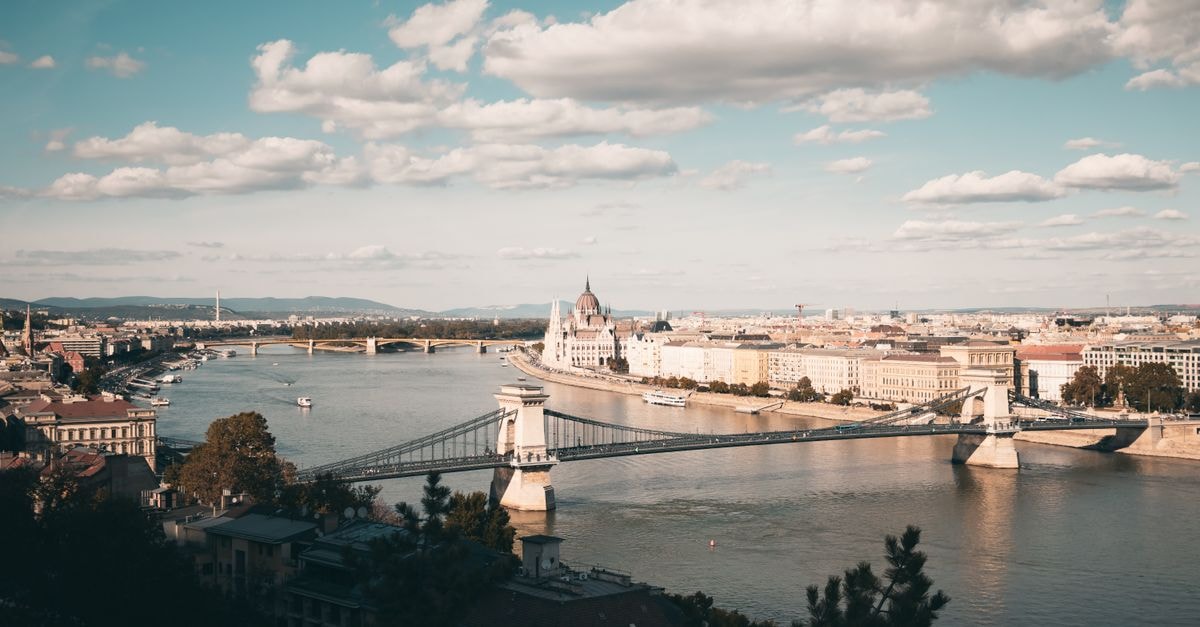
There is a moment, usually somewhere along the Danube, when Budapest stops being a name on a list and becomes a feeling. The river runs through the middle of everything, and on either side two very different moods rise up: the hilly, castle-crowned west bank of Buda, and the flat, wide-striped boulevards of Pest to the east. The city has a way of layering eras on top of one another. Roman fragments sit quietly beneath Ottoman-era bathhouses, Habsburg arcades shade coffee houses with marble counters, and tucked-away ruin bars glow in the doorways of older buildings. It feels less like ticking off sights and more like reading a long, slow story.
This guide is a soft landing pad for travellers who want a feel for Budapest before they arrive. It leans on the city's own description of itself, not on hype, so you can plan with confidence and leave room for the surprises that make the trip yours.
Weather and seasonal context
A note that is worth knowing before you pack: the warmest stretch of the year tends to be busy, and the shoulder periods often feel calmer for visitors who want to wander at their own pace. September, for example, is described as keeping the summer warmth without the heavy crowds, with the Wine Festival filling the Castle district early in the month and queues easing once the school holidays end. That kind of rhythm can shape how a trip feels, even if you are not visiting in any particular season: the city has a way of breathing differently when the crowds thin and the light softens.
If your timing is flexible, think of Budapest as a place that rewards layering a slow morning on the river, a mid-afternoon pause in a café, and an evening walk when the façades catch a softer light. That pacing tends to work in any season, because the city's indoor culture, from bathhouses to grand coffee rooms, is generous enough to fill a rainy afternoon as well as a sunny one. Pack with the rhythm in mind rather than the calendar, and the city will meet you halfway.
Getting around
Budapest is built for unhurried exploration, and the public transport network is the spine of how most visitors move through the city. The official city pass, the Budapest Card, is the local shorthand for the key to the city. It folds together public transport with entry to a wide list of attractions and tours, so a single card can quietly replace a stack of small decisions at ticket windows and on board trams and metros.
For a first visit, that means less time figuring out individual fares and more time following the river. The Danube itself is a kind of compass: cross between Buda and Pest on one of the bridges and the city reveals itself from a new angle. Trams along the Pest side of the river give a calm, scenic glide past landmarks, while the metro lines connect the main squares. Using the Budapest Card as your starting point keeps logistics simple, and you can always layer in a river cruise or a guided walk on top if the mood takes you.
Attractions and planning
It is hard to feel short of things to do in Budapest. The city is often described as one of Europe's most captivating capitals, a place where Roman ruins sit beneath Ottoman-era thermal baths, where grand Habsburg-era boulevards lead to gritty ruin bars, and where the mighty Danube divides historic Buda from cosmopolitan Pest. That sentence does a lot of work: it tells you that the city does not ask you to choose between grand architecture and lived-in neighbourhoods, because they live side by side here.
The geography is straightforward once you let the Danube be your guide. Buda, on the west bank, rises into the Castle district and its viewpoints. Pest, on the east bank, spreads out along the river with parliament-facing embankments, broad avenues, and the ruin-bar quarter further inland. Planning a few hours in each half lets the city reveal its contrasts.
On the practical side, the Budapest Card is more than a transport pass. It is presented as a money-saving tool for the city, bundling public transport with 30 or more top attractions and tours. For independent travellers who like to keep their plans flexible, that is a useful way to skip the mental arithmetic at each ticket desk and to step into whichever bathhouse, museum, or river view catches your eye. The card suits a leisurely itinerary built around walking, dipping in and out of sights rather than racing through a checklist.
A simple rhythm tends to work well: a morning walk on one side of the river, a midday pause for coffee or a soak, and an evening drift into the neighbourhoods that come alive after dark. The ruin bars in particular reward unhurried evenings, when the light is low and the courtyards fill with conversation.
Food and local context
Hungarian food culture shows up in Budapest in a way that feels woven into the day rather than reserved for special meals. The wider Hungarian table, with its hearty stews, paprika-seasoned dishes, and a strong pastry and coffee tradition, is part of what you will encounter across the city's cafés, markets, and sit-down restaurants. Treat this as country-wide context that travellers are likely to come across while in Budapest, not as a list of specific venues or must-order dishes.
That said, one of the quiet pleasures of Budapest is how naturally food fits into the rhythm of sightseeing. The city's food scene is described as vibrant and unique, sitting alongside its architecture and history rather than competing with them. A morning pastry and coffee in a grand café, a leisurely lunch after a river walk, and a glass of local wine as the light drops are all small rituals that can hold a day together.
There is also a particular kind of pairing that locals appreciate. An afternoon at the Budapest Opera House or the Hungarian National Museum pairs naturally with a coffee break in between, the kind of slow, sit-down pause that the city's grand rooms invite. It is less about a checklist of cafés and more about letting the pace of the day include a long, warm drink and a window seat, with a pastry on the side. That kind of pause is part of how Budapest is meant to be enjoyed.
For independent travellers, the practical takeaway is simple: budget time for unhurried meals, not just quick ones. The food culture here rewards attention, and the city's grand cafés in particular feel like an attraction in their own right.
A few parting notes
A few small habits will serve you well in Budapest. Treat the river as your map, let the Budapest Card carry the logistical weight, and leave room in your day for a long coffee or a quiet pause in a grand room. The city is built for layering, and the more you let one experience fold into the next, the more Budapest opens up.
Keep in mind that practical travel details, including opening hours, ticketing, and transport arrangements, can shift over time. It is always worth checking official channels and the Budapest Card provider's current information before you travel, so your plans match the city as it is on the day you arrive.
Currency and exchange rates are only a reference point here. For any spending you do, check the live rate on the day, and carry a payment method that works for you.
Factual travel conditions can change, and official channels should always be checked before departure.
Share this article
TOOLS FOR THIS PLAN
Make the Budapest plan measurable
Choose a tool only when it answers the next question in your trip. Your values stay in the browser, and each tool offers a route back to this planning context.