Budapest at a Glance

Budapest splits cleanly along the Danube: Buda is hilly, forested and crowned by the UNESCO-listed Castle District, while Pest is flat, dense and packed with grand boulevards, ruin bars and restaurants. Hungary's capital has roughly 1.7 million residents, sits in the Central European Time zone (UTC+2), uses the Hungarian forint (HUF) and runs on Type C and F power sockets. English is widely spoken in hotels, restaurants and tourist areas, though learning a few Hungarian phrases goes a long way once you wander into residential neighbourhoods.
The city rewards almost every type of traveller: Roman ruins at Aquincum, Ottoman-era baths, Habsburg architecture, Cold War history and one of the most active nightlife scenes in Central Europe. For a first visit, three to four days is the standard recommendation, though summer visitors often stretch to a full week to soak in the festivals and outdoor café culture.
July Weather and Daily Rhythm
July is the heart of Budapest's peak summer. Daily highs regularly push past 30°C, with a forecast range of roughly 25–34°C across the month, and overnight lows sit in the high teens. Humidity is significant, and short, intense afternoon thunderstorms are common — they tend to clear within an hour or two rather than linger all day. The sun sets late, between roughly 20:30 and 20:45, leaving long, social evenings.
The practical impact on a sightseeing day is real. Mornings are the cool window: hit the Castle District, Fisherman's Bastion and the citadel before 09:00 to beat both the heat and the tour-bus arrivals. Use the early afternoon for indoor museums, a thermal bath or a long Hungarian lunch, then return outside as the light softens. Hydration matters — carry a refillable bottle, take shade breaks and choose a hotel with air-conditioning if you are heat-sensitive.
Getting to Budapest and Moving Around
From the airport, the 100 bus runs directly to the city centre with contactless payment on board. Trains and intercity buses are good options from elsewhere in Europe, with Flixbus routes covering most capitals and Trainline covering rail connections across the continent.
Inside the city, BKK runs the metro, trams and buses; a 72-hour travel card is around $18.60 and single tickets roughly $1.62, putting public transit among the most affordable in Europe. The same travelcards cover metro, tram and bus. For taxis, use the Bolt app to avoid the unlicensed cabs that cluster around Keleti station — street taxis and the so-called "konzumlány" bar scam are the two safety pitfalls local guides flag most often. Pest is the flatter side and the easiest for walking and transit access, which is why most guides recommend it for first-time accommodation.
What to Do in Budapest in July
**The thermal baths.** Széchenyi's yellow Neo-Baroque halls and steaming outdoor pools are at their most social in July — warm water, warm air, chess players on floating boards. Walk-up queues regularly exceed 60 minutes in July and August, so book day tickets online for the faster entry lane, and aim to arrive before 10:00 or after 15:00 to dodge peak congestion. Széchenyi's monthly late-night Sparty pool parties run in summer, with July and August events historically selling out — confirm July 2026 dates before booking. Palatinus on Margaret Island is the family-friendly outdoor alternative, with slides, wave pools and a more local crowd.
**Margaret Island.** The 2.5 km car-free island between Margaret and Árpád bridges has shady paths, a Japanese garden, a small zoo and an open-air pool — a perfect escape from midday heat.
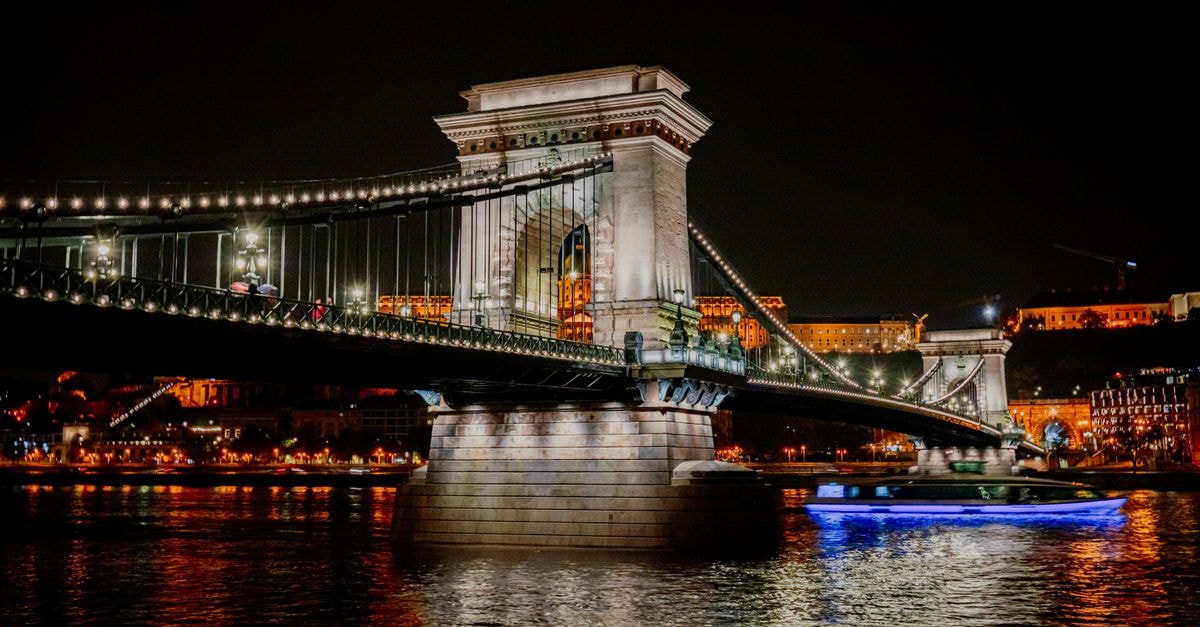
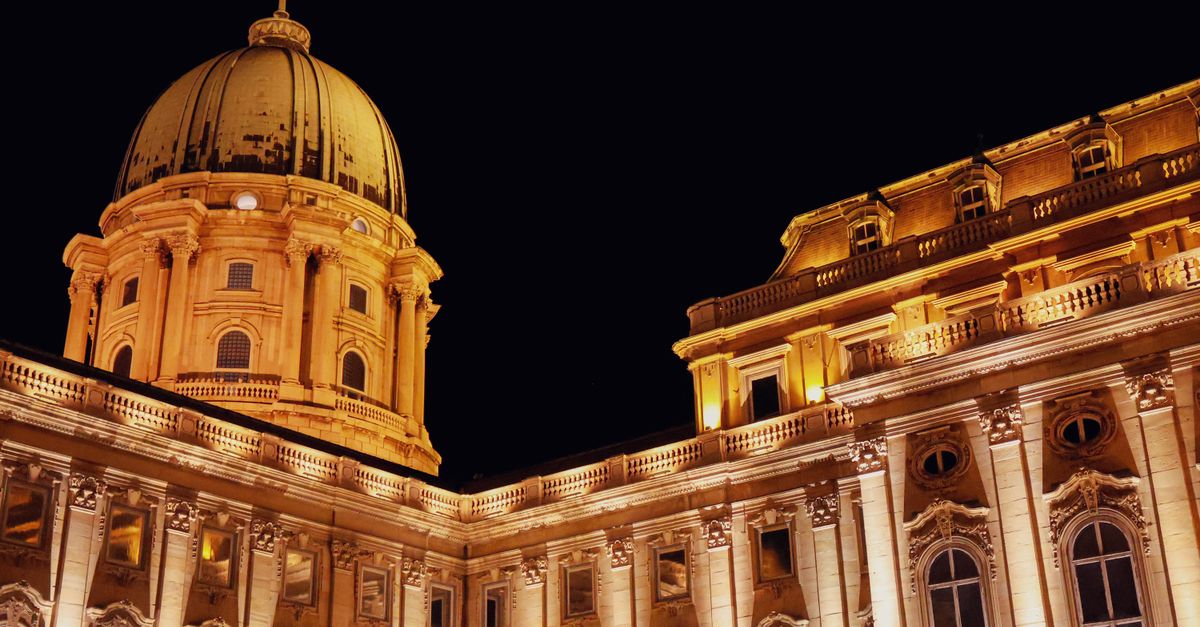
**Danube cruises and riverside dining.** The long evenings make sunset cruises especially rewarding. The Hungarian Parliament, Buda Castle and the chain bridges light up after dark, and riverside restaurants front the best views in the city.
**Ruin bars and Jewish Quarter nightlife.** The eclectic bars set inside abandoned buildings and courtyards — including Szimpla Kert and Fogasház — peak in summer, with terraces spilling into the streets of District VII.
**The Hungarian Grand Prix.** The Formula 1 Hungarian Grand Prix takes place at the Hungaroring just outside Budapest on Sunday, 26 July 2026, making that weekend one of the liveliest and most booked-out of the year. Race-week prices spike and accommodation near the circuit and central Pest fills early, so plan well ahead if you want to combine sightseeing with the race.
Hotels and Booking Strategy
July is peak season. Hotel prices run 30–50% above shoulder-season rates, and the F1 weekend plus general summer demand means central Pest fills up weeks in advance. Mid-range rooms that cost $80–140 in spring or autumn typically rise to $120–180 in high summer; budget hotels start around $60–85 a night and luxury 4–5 star options usually top out below $350.
Practical booking advice: reserve at least 8–12 weeks ahead for a July stay, more if you want to be within walking distance of the action. Pest's central districts (V, VI, VII) are the most convenient but the most expensive — staying one tram stop further out can save real money while still keeping you close to the metro. Avoid relying on walk-ins during the Grand Prix weekend.
Costs, Currency and Saving Money
Hungary uses the forint (HUF), not euros — bring or withdraw HUF rather than assuming card-everywhere coverage. As a reference, early-2026 exchange rates were roughly $1 = 309 HUF and £1 = 419 HUF, but live rates move, so check a current converter before exchanging any large sums. Many central Pest businesses accept cards, but smaller cafés, market vendors and some taxis still prefer cash.
Daily budget benchmarks for 2026: budget travellers around $35–65 a day, mid-range $70–140, luxury from $140 upwards. A budget day covers a hostel dorm, street food and public transport; a mid-range day covers a private room, casual restaurants and paid attractions like a thermal bath or a river cruise.
Where you can save: eat lunch at the Central Market Hall or street stalls (lángos, chimney cake), use BKK travelcards instead of single tickets, and book thermal baths and Danube cruises online in advance for discounted entry lanes. Where you should not cut corners: avoid Váci utca restaurants in the tourist core, which are routinely flagged as overpriced, and skip the unlicensed taxis around Keleti station.
What to Eat and Drink
Hungarian cuisine is hearty, paprika-driven and built around a soup-then-main structure. Must-try dishes include goulash soup (a paprika-rich beef and potato soup), chicken paprikash (creamy, sour-cream-finished, traditionally served with egg dumplings called nokedli), pörkölt (a slow-cooked meat stew), halászlé (fiery fisherman's soup), bableves (smoked meat and bean soup) and hortobágyi palacsinta (savoury meat-filled pancakes).
Street food is part of the sightseeing itself: lángos (fried dough topped with sour cream and cheese), kenyérlángos and kürtőskalács — chimney cake, a sugar-and-cinnamon-coated sweet pastry sold along Váci Street and at markets. For sweets, look for Esterházy torte and the layered cakes that fill Budapest's café windows.
Drink local: Hungary produces excellent whites and reds across regions like Tokaj and Eger, and pálinka — a strong fruit brandy — is the traditional digestif and part of local drinking culture. Riverside restaurants with views of the lit Parliament are the classic setting for a long Hungarian dinner.
Safety and Practical Tips
Budapest is generally safe for visitors, with two specific scams to know: street or unlicensed taxis (use Bolt or ordered cabs) and the "konzumlány" bar scam in certain nightlife venues, where the bill balloons beyond what was agreed. Always check the menu and prices before ordering in bars you don't know, and look carefully at the closing bill. Petty pickpocketing can happen in crowded ruin-bar queues and on busy trams, so keep valuables zipped and close to the body.
A few small habits go a long way: carry a light layer for air-conditioned restaurants and trams, bring a compact umbrella for sudden summer storms and keep some cash in HUF for markets and older establishments. Always confirm opening hours, ticket requirements and event dates through official channels before your visit, as schedules, exchange rates and event details can change.
Share this article
TOOLS FOR THIS PLAN
Make the Budapest plan measurable
Choose a tool only when it answers the next question in your trip. Your values stay in the browser, and each tool offers a route back to this planning context.