There is a particular kind of place that travel insiders whisper about long before the guidebooks catch up, and Bujumbura fits that mold. Set at the northern tip of Lake Tanganyika and ringed by hills, Burundi's principal city feels unhurried, deeply local, and refreshingly unpolished in the best sense of the word. You will not find mass tourism infrastructure here, and that is part of the appeal.

This guide collects the durable, practical notes you need to plan a thoughtful visit: what the climate generally feels like, how the city is laid out, and what kind of food culture you are stepping into. It is written as evergreen city guidance, so the focus is on what holds true across visits rather than on a single month.
Weather and seasonal context
Bujumbura sits at a low elevation on the edge of one of Africa's great lakes, and that geography shapes how the climate feels day to day. Temperatures tend to hover on the warm side year-round, with the lake and surrounding hills moderating the heat. Mornings often begin with a soft clarity that is kind to walkers, while afternoons can grow humid and still. Because the city is equatorial, the rhythm of the day matters more than the calendar month: pace outdoor exploration for the cooler stretches, and let midday be for shade, a long lunch, or a museum.
The light over the lake can feel theatrical, especially toward the end of the day, when the sky seems to take its time shifting through pinks and golds. Pack for warmth and humidity first, and treat rain as a real possibility at any point in the year rather than something tied to one season. A light shell, breathable fabrics, and patient shoes will serve you well across most visits. If you prefer to explore on foot, aim the main part of your walking for the earlier part of the day and save the lakefront for when the air softens.
Getting around and where the city sits
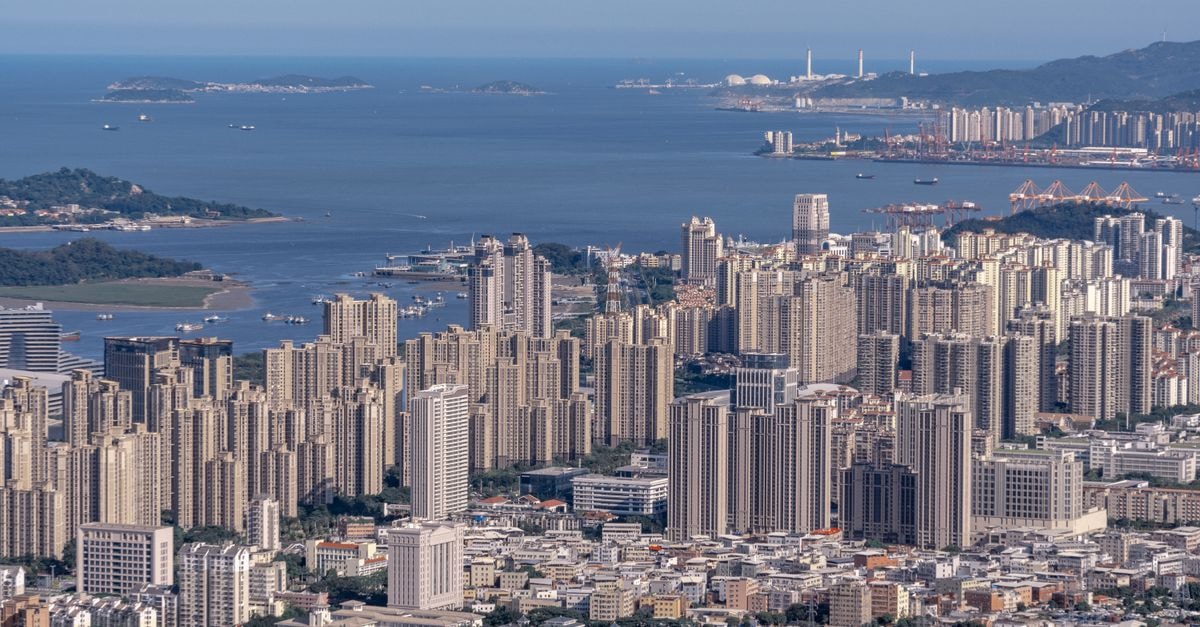
Bujumbura sits at the northern tip of Lake Tanganyika, surrounded by national parks and cultural treasures, and remains largely undiscovered by international tourism (East Africa Bridge Tours). That sense of being off the well-worn path is one of the city's defining qualities. It reads as one of the most interesting and accessible cities in Central Africa, a lakeside capital with a French colonial flavour, an extraordinary natural setting, and a warmth of welcome that more famous East African cities have traded away for mass tourism infrastructure (East Africa Bridge Tours). For travelers, that translates into a city that rewards curiosity rather than a checklist.
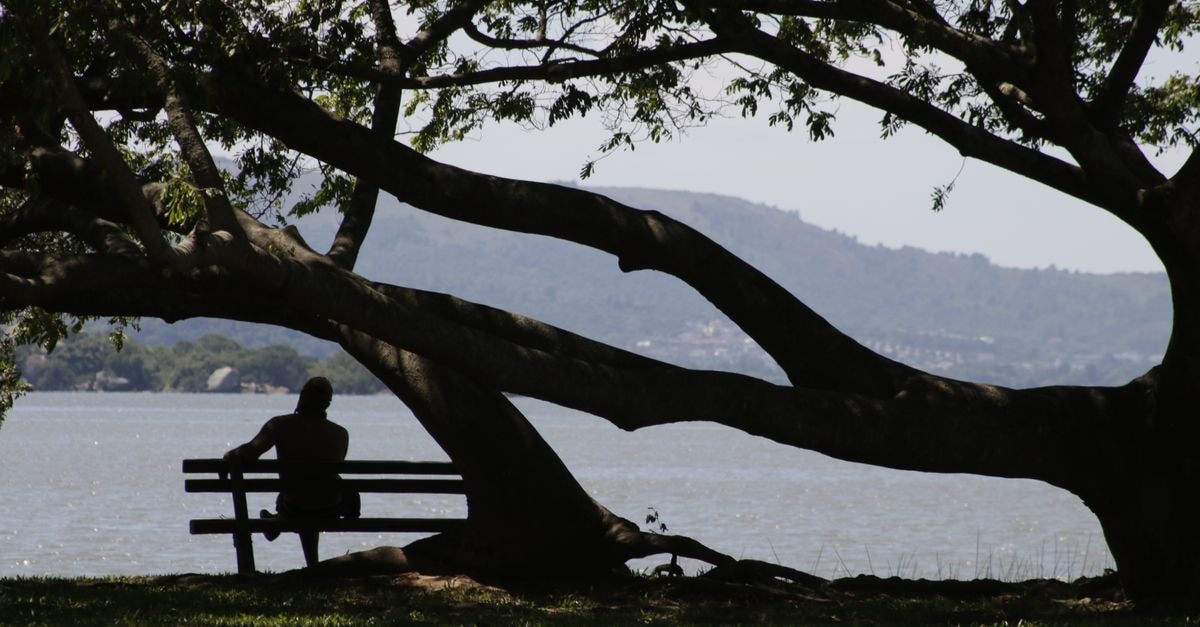
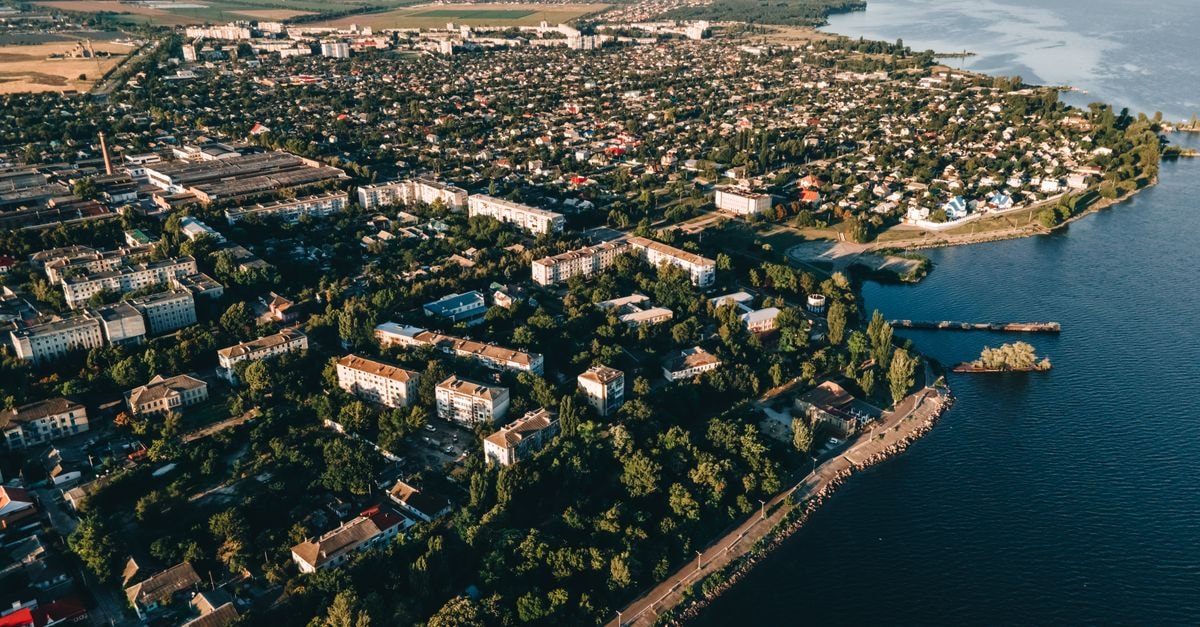
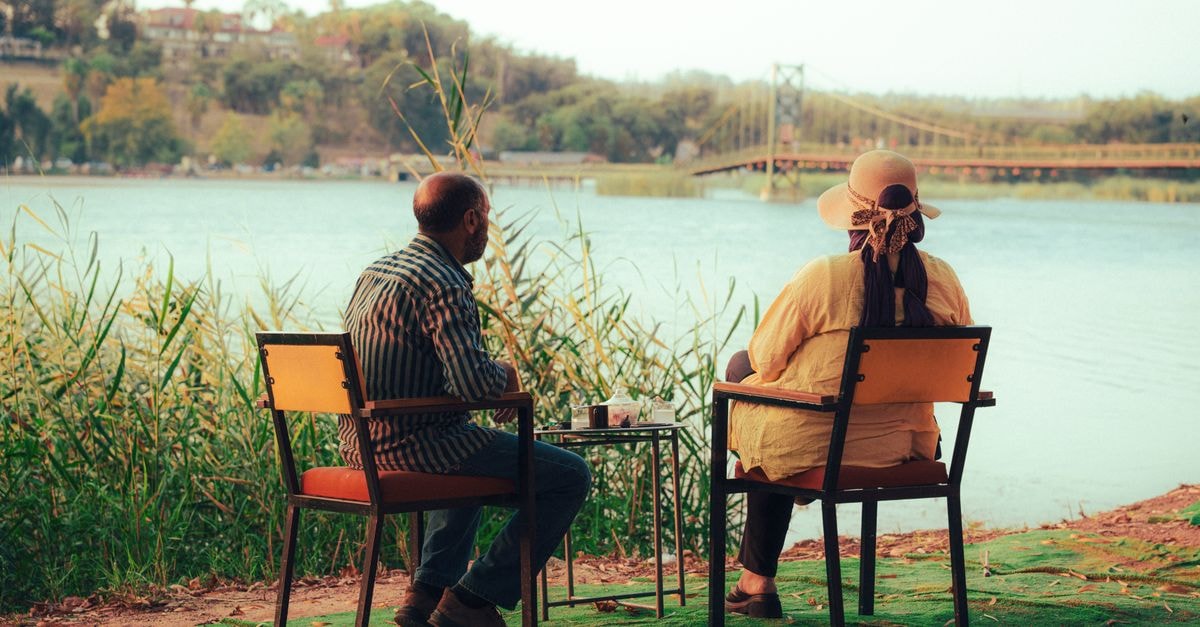
The shoreline is the city's spine, and it pulls much of daily life toward the water. From there, the city climbs gently into the surrounding hills, a layout that gives visitors a natural sense of orientation. Walking the lakeside stretch and watching the light change over the water is a quiet pleasure in itself, and the uncluttered pace of the streets makes Bujumbura feel generous to pedestrians who prefer to slow down. Because the city is compact and the lake is so visually dominant, it is easy to find your bearings without a great deal of planning.
If you are the kind of traveler who prefers cities where you can wander without a packed agenda, Bujumbura may suit you well. The shoreline and the older central streets are friendly to that approach. If you are the kind of traveler who wants a dense, museum-saturated day, consider pairing your lake time with the cultural sites rather than racing between them.
Food and local context
Burundian food is not what most visitors expect from East Africa, and that surprise is part of the experience. Burundi's traditional dishes lean on hearty, slow-cooked staples built around beans, plantains, and grains, with palm oil lending a distinctive, smoky depth. Ibiharage, beans simmered with palm oil, are widely considered a defining plate of the country's table: the smell of heated palm oil hits first, then the beans arrive creamy inside while still holding their shape. It is the kind of cooking that tastes like patience.
Meals tend to be social rather than rushed, and the table is where Burundi's communal instincts show up clearly. Tutsi and Hutu cultures share drumming traditions that sit alongside the food culture as part of the broader cultural fabric (Burundi Culture Guide). For visitors in Bujumbura, this wider Burundi context may show up less as a menu item and more as a rhythm: long meals, shared plates, and a willingness to linger. As you eat your way around the city, expect to encounter flavors that lean toward the familiar staples of East African cooking, but executed with a Burundian accent that is worth paying attention to.
If you enjoy destinations where food is part of the cultural story rather than a separate category, Bujumbura offers a good fit. Travelers who like to learn a place through its kitchens may want to leave room in their day for unhurried meals and conversation, since the best food experiences here tend to be the slow ones.
Choosing what fits your trip
Bujumbura rewards a particular kind of travel style: curious, unhurried, and open to a city that does not perform for visitors. The lakeshore, the hillside setting, and the layered food culture are the through lines. Travelers who want a single anchor for each day often do well choosing one stretch of the lake for the morning, a cultural stop for the afternoon, and a long meal as the evening's main event. Those who prefer cities with abundant nightlife or dense ticketed attractions may want to recalibrate expectations and treat Bujumbura as a place for atmosphere and conversation rather than a packed schedule.
Before you go
A note worth repeating: conditions on the ground, including operating hours and access details, can shift, and it is always wise to confirm the practical specifics of your visit through official channels before you travel. Treat this guide as a starting frame, not a final itinerary.
Is there a specific neighborhood or stretch of the Bujumbura lakefront you are most curious to explore? That detail can help sharpen the rest of your planning.
Share this article
TOOLS FOR THIS PLAN
Make the Bujumbura plan measurable
Choose a tool only when it answers the next question in your trip. Your values stay in the browser, and each tool offers a route back to this planning context.