A quieter gateway on Lake Tanganyika

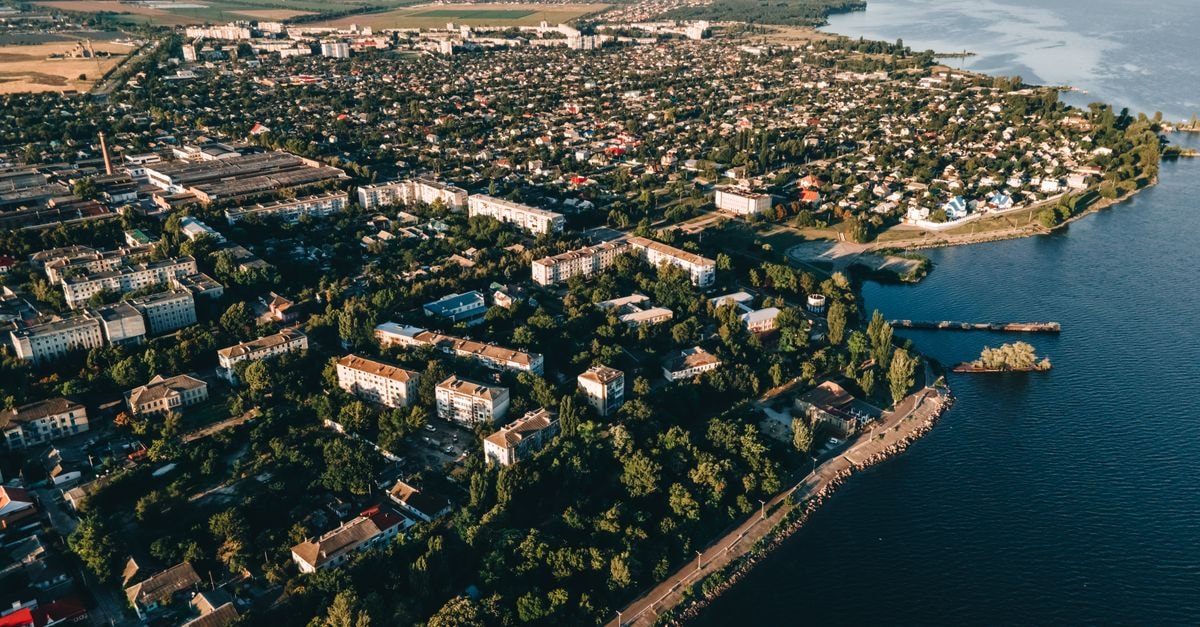
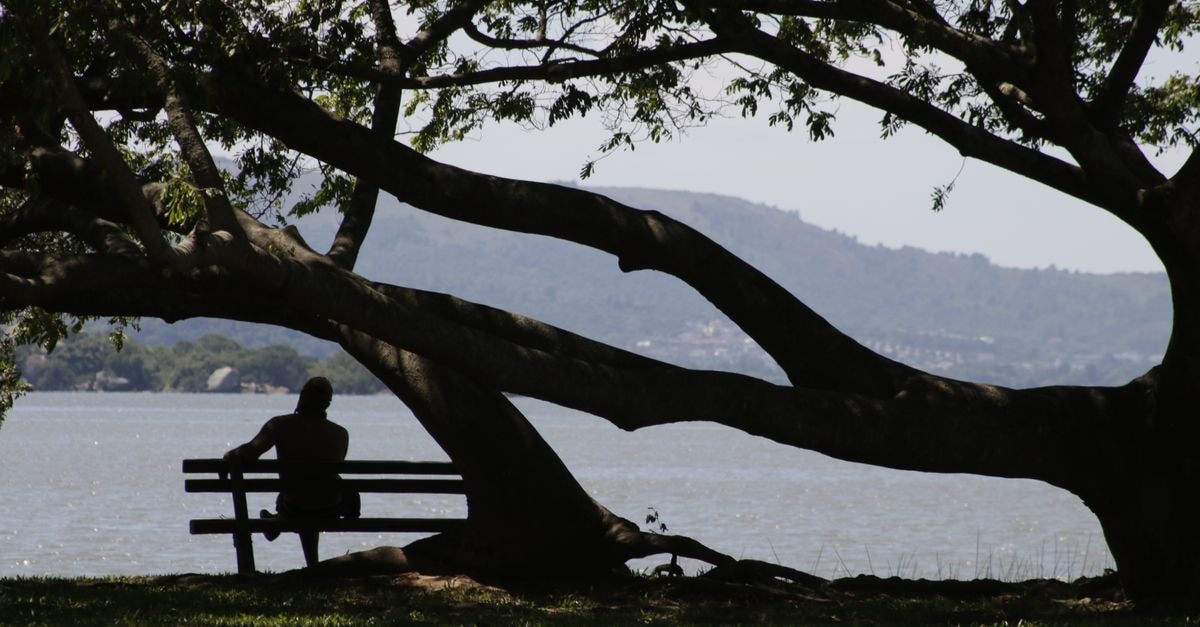
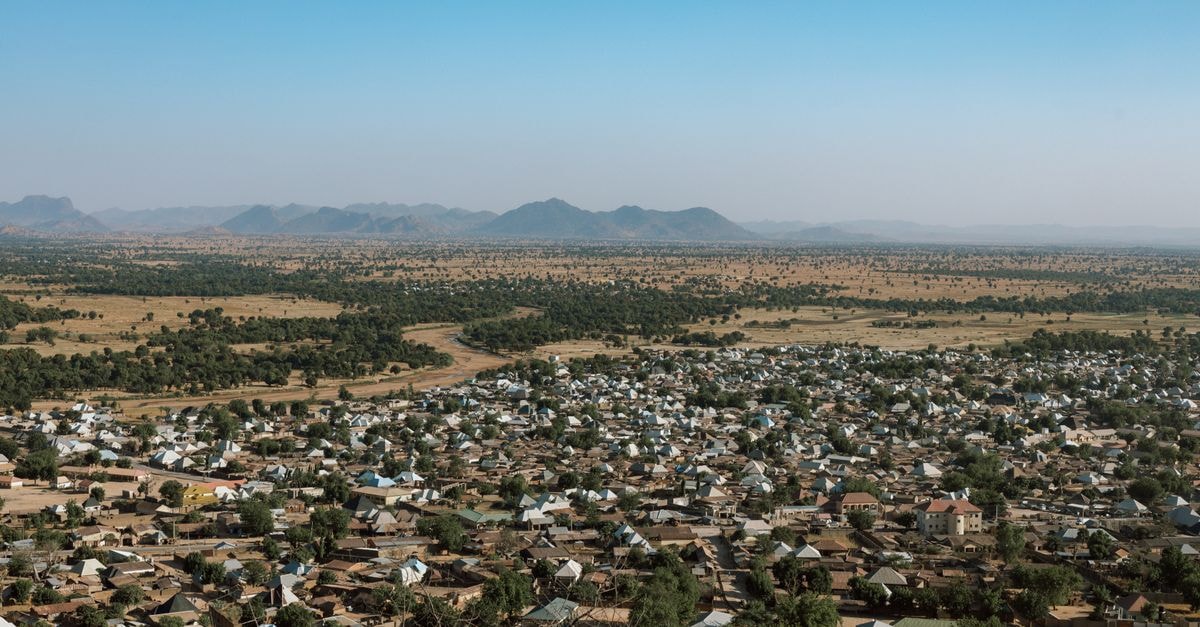
Kigoma has the feel of a city that asks you to slow down. Set on the eastern shore of Lake Tanganyika, it reads less like a checklist of sights and more like a place to settle into for a few unhurried days. Travelers who arrive here are often heading somewhere else, whether onward by lake steamer or simply into the wider western Tanzania landscape, and that gives the town a useful, working rhythm rather than a fully polished tourist gloss. That character is part of the appeal, especially if your idea of travel leans toward lakeside mornings, local markets, and the kind of day that ends with a long view over still water.
This guide keeps the focus on what is actually known and useful: how to get in, what kinds of attractions shape a visit, and how food and everyday life tend to present themselves to visitors.
Getting around and arriving
Kigoma is small enough to get a feel for quickly, and the practical entry points are simple. The small Kigoma Airport sits in the eastern suburbs of the city and is served by flights from Dar es Salaam and from Bujumbura in neighboring Burundi. Travelers should expect a low-key arrival: organization at the airport is described as very simple, so it helps to arrive with your onward plans already mapped out, especially if you are continuing your trip by road, rail, or lake on the same day. Light snack, water, and a clear idea of where you are heading after landing will make the transition easier.
The city also has a railway station. While the wider story of the Central Line is one of the most evocative train journeys in East Africa, the practical takeaway for a visitor is straightforward: Kigoma is a genuine rail terminus, which is useful to know if you are piecing together a slower, overland route through Tanzania rather than only flying. For most travelers, the question is not whether the station exists, but how it fits into a larger plan, since timetables, booking windows, and seat availability for long-distance Tanzanian rail are the kind of detail that should be confirmed close to your travel date through the operator.
Within the city itself, getting around tends to be informal. Short walks, taxis, and the natural compactness of the lakeside core make it easy to orient yourself within a day of arrival. Treat any local transport choice as you would in any small regional city: agree on the fare before you set off, and ask at your accommodation for a current sense of typical prices.
Attractions and planning your days
Kigoma is widely described as a place where natural beauty and a layered history sit close together, and that pairing tends to shape how visitors spend their time. The lake itself is the constant, with a shoreline that invites slow walks, sunset viewing, and the kind of unhurried reading afternoon a smaller city makes possible. Several well-known places anchor a stay here, including Kigoma Hilltop Hotel, Lake Tanganyika Hotel, Jakobsen Beach and Guest House, Aqua Lodge, and Leaders Lodge. These names tend to come up in Kigoma guides because they reflect the range of places where visitors actually stay and base themselves, from hilltop rooms with broad lake views to beachside guesthouses and lodges with a quieter, more residential feel.
Beyond the accommodation base, the city and its immediate surroundings are typically introduced through a top-ten list of attractions in and around Kigoma. That framing is useful because it underlines that a Kigoma visit is not about one headline sight. It is about layering experiences: a morning by the lake, an afternoon exploring the town and its historical markers, and time set aside simply to absorb the pace. If you prefer structure, sketching a loose plan that pairs a half-day of town exploration with a half-day of lakeside wandering tends to work well, leaving room for the unexpected.
When you build your own shortlist, it helps to think in themes rather than a fixed route: the lake and its viewpoints, the historical footprint of the town, and the surrounding natural landscape that gives the region its identity. Local listings, your accommodation, and visitor centers can help you confirm what is open and accessible at the time of your visit, since attraction conditions can change.
Food and local context
Food in Kigoma is one of the most rewarding ways to read the city. The region's cuisine is often described as an under-recognized culinary treasure, with staples and flavors that feel distinct from better-known parts of Tanzania. That sense of place tends to come through most clearly at the table, in the everyday dishes shared in local homes, small eateries, and food tours that connect visitors to the ingredients behind them.
A guided market visit is frequently the first stop on a Kigoma local food tour, and a visit to the Kigoma central market is almost always part of the itinerary. The market is where the regional food story becomes tangible: the produce on display reflects what grows locally and what is traded along Lake Tanganyika, and it gives visitors a grounding reference point for the dishes they will eat later. Taking an hour or two to walk the market with a local guide can reshape how you understand the rest of your trip, because the names you hear in restaurants and guesthouses suddenly have a source.
If you are curious about regional specialties, the most useful approach is to ask rather than assume. Hosts, market vendors, and small restaurant staff are usually happy to talk through what is seasonal, what is local, and what has traveled further to reach the plate.
A note on planning and verification
A few practical reminders before you set off. Flight schedules into Kigoma Airport, train timetables for the line that terminates here, and the operating status of individual attractions, guesthouses, and lodges can all change, so it is worth confirming current details through your accommodation, a local operator, or the relevant official channels shortly before you travel. The same applies to prices, payment norms, and any local guidance on how best to move between points in and around the city.
Currency and exchange details are useful to sort out before arrival, but always treat quoted rates as a reference rather than a guarantee, and check the live rate on the day you exchange. And finally, remember that a city like Kigoma rewards patience. The lake light changes by the hour, the market is busiest in the morning, and the most memorable conversations often happen when you stop rushing toward the next stop on a list. Give yourself that room, and the city tends to open up.
Share this article
TOOLS FOR THIS PLAN
Make the Kigoma plan measurable
Choose a tool only when it answers the next question in your trip. Your values stay in the browser, and each tool offers a route back to this planning context.