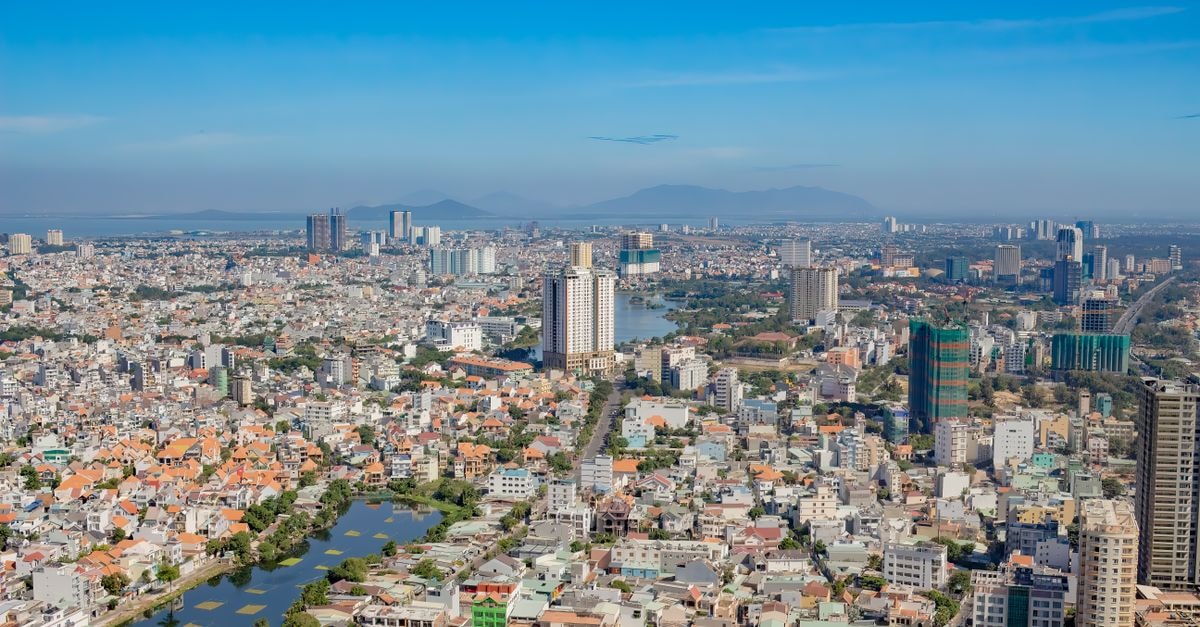
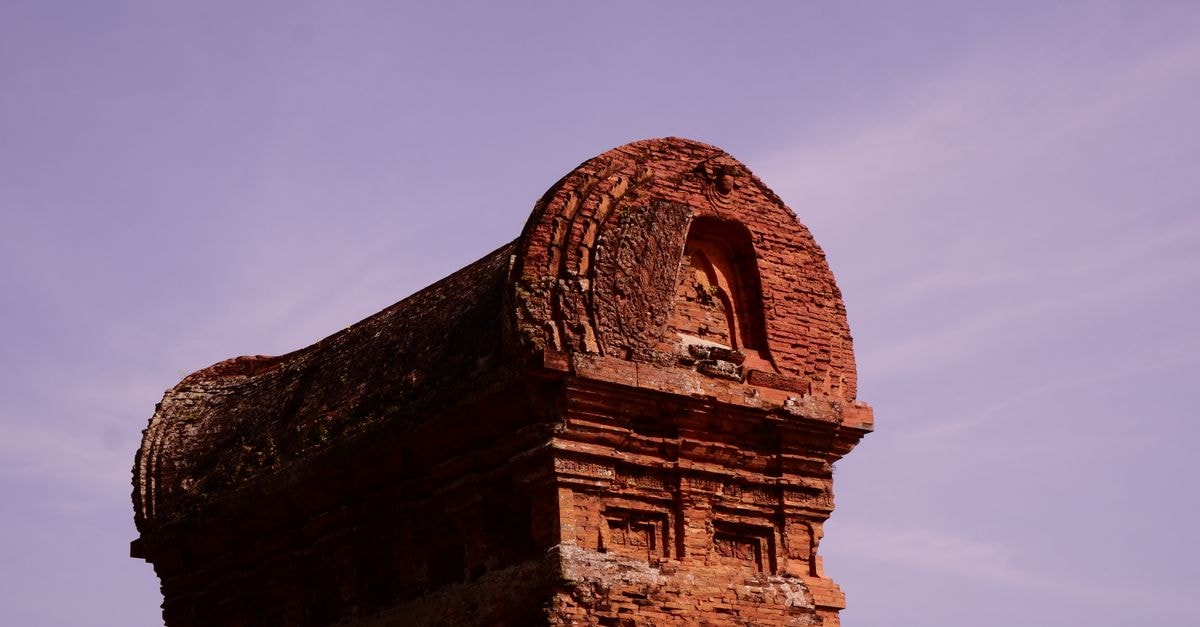
A highland city built on coffee
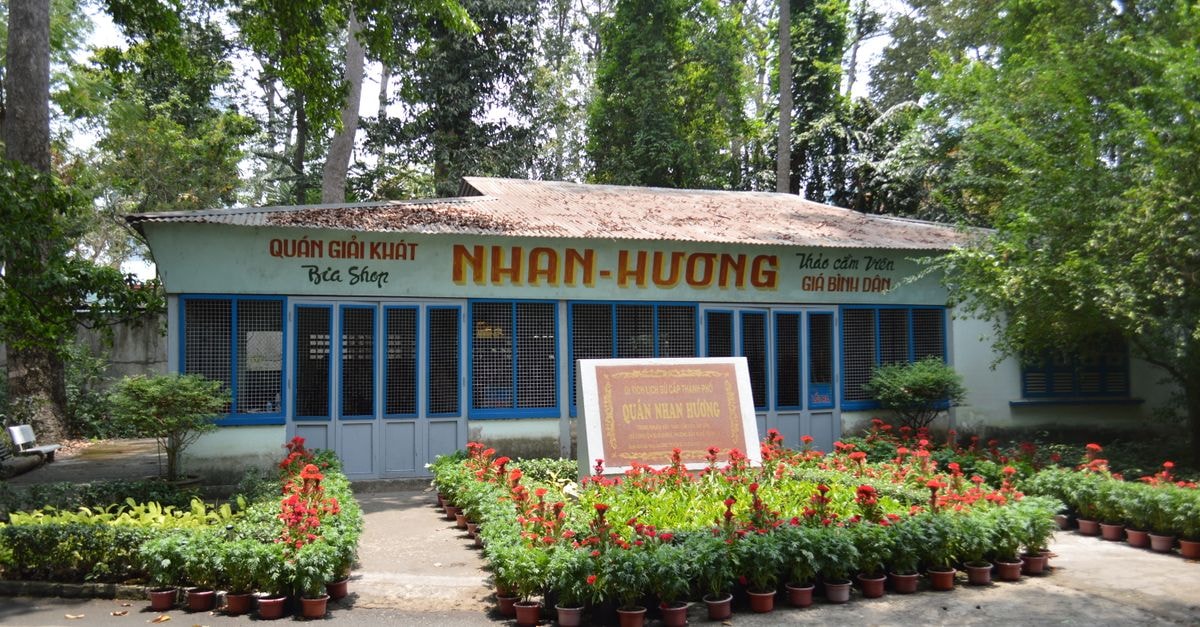
This is a city where a traveler can genuinely trade guidebook sprints for slow mornings, garden-side coffee, and long afternoons in the surrounding hills.
Weather and seasonal context
Buon Ma Thuot has a reputation for cool and pleasant air, which is part of why travelers pair it with treks, waterfalls, and outdoor stops rather than dense urban sightseeing. The highland climate can make long walks feel gentler than on Vietnam's coast, though humidity in lowland stretches can still surprise you, especially after rain. If you prefer a relaxed pace, consider scheduling heavier outdoor plans for the cooler parts of the day and keeping the hottest midday hours for a shaded café or a slow lunch.
Rain is part of life in the Central Highlands, so a light layer and a waterproof option earn their place in any bag, even on a brief visit. Travelers who dislike a packed schedule may appreciate treating the weather as permission to linger rather than rush.
Getting around
Reaching Buon Ma Thuot is straightforward thanks to scheduled air service, including Vietjet Air routes serving the city. From there, getting your bearings is simple: the city is compact enough that short rides between the center and nearby plantations or natural sites feel easy rather than ambitious. Once you arrive, plan transport around small loops rather than long point-to-point drives, which keeps the day feeling relaxed and lets you stop for a coffee view or a roadside waterfall whenever one appears.
If you prefer to let someone else handle the driving, this is a good place to lean into that choice rather than fight traffic in a rental. Independent travelers who enjoy flexibility can still move at their own pace, but the city's scale means most of what interests visitors is reachable with short transfers rather than full-day drives.
Attractions and planning
Buon Ma Thuot's landmarks are quietly interesting, and you don't need a packed list to enjoy them. In the heart of the city, visitors often pause at a beautiful historical church, which earns its place on many travelers' photo rolls and works well as an easy anchor point between other stops.
A short distance from the center, the highland scenery opens up. Doi Thong, the pine ridges outside the city, pair well with a half-day loop on the road toward Lak. Along the way, you can stop at local coffee plantations — including the original village associated with Trung Nguyen or smaller family farms — for a walk, a tasting, and a closer look at how robusta moves from cherry to cup. The pine area itself has no restaurants, just occasional vendors selling grilled corn, sugarcane juice, or bagged snacks, which is part of its charm and worth knowing before you go. Continue south and you reach the Dray Nur and Dray Sap waterfall area, another roughly twenty kilometers along the same general corridor.
Travelers who enjoy photography will find plenty of material: the train-themed interior noted in the city's popular café culture — stylish, modern, and designed with photo ops in mind — fits the broader highland aesthetic of warm wood, terracotta soil, and pine green.
Food and local context
Buon Ma Thuot's food scene naturally circles back to coffee, with strong regional traditions of tasting freshly brewed robusta and watching traditional roasting techniques at local farms. Beyond the cup, the Central Highlands is recognized for its mountain and forest cuisine, which means menus lean toward grilled, smoky, and earthy flavors tied to local ingredients rather than the lighter seafood-led plates of the coast.
In wider Vietnamese food culture, the country's culinary identity stretches from royal Hue banquets to street food in Hanoi, and visitors in Buon Ma Thuot may notice that same national love of contrast — savory, sweet, herbal, and roasted — expressed through highland ingredients. Travel context here is wide-Vietnam rather than a city-specific specialty list, so take it as background flavor rather than a guarantee of any particular dish on a particular day.
If you prefer to understand a place through its food, consider building one slow meal into a coffee-farm visit and another into an evening walk, rather than chasing a checklist.
Choosing what fits your trip
For travelers who want a balance of culture and nature without rushing, Buon Ma Thuot suits a short, deliberate itinerary: a half-day in the city itself, a half-day in the Doi Thong and Lak-road loop with a plantation stop, and time set aside for the wider waterfall corridor. If your priority is photography, the pine hills, the church, and the train-themed interiors each offer a different kind of frame. If your priority is coffee culture, plan at least one farm visit and one slow café afternoon. Travelers who dislike long drives may prefer to focus on the city center and a single half-day loop rather than chaining every stop together.
Before you go
Weather, transport schedules, and on-the-ground conditions can shift, so it's worth a quick check of official airline and local tourism channels before departure for the latest details on routes, road conditions, and any seasonal closures around waterfalls or forest areas. Live rates and prices can also change, so treat any cost reference as a starting point rather than a guarantee.
A short verification question to keep in mind: which coffee farm or plantation visit would you like to build your day around?
Prices, opening hours, schedules, reservation rules, and local conditions can change; verify them through official channels before departure.
Share this article
TOOLS FOR THIS PLAN
Make the Buon Ma Thuot plan measurable
Choose a tool only when it answers the next question in your trip. Your values stay in the browser, and each tool offers a route back to this planning context.