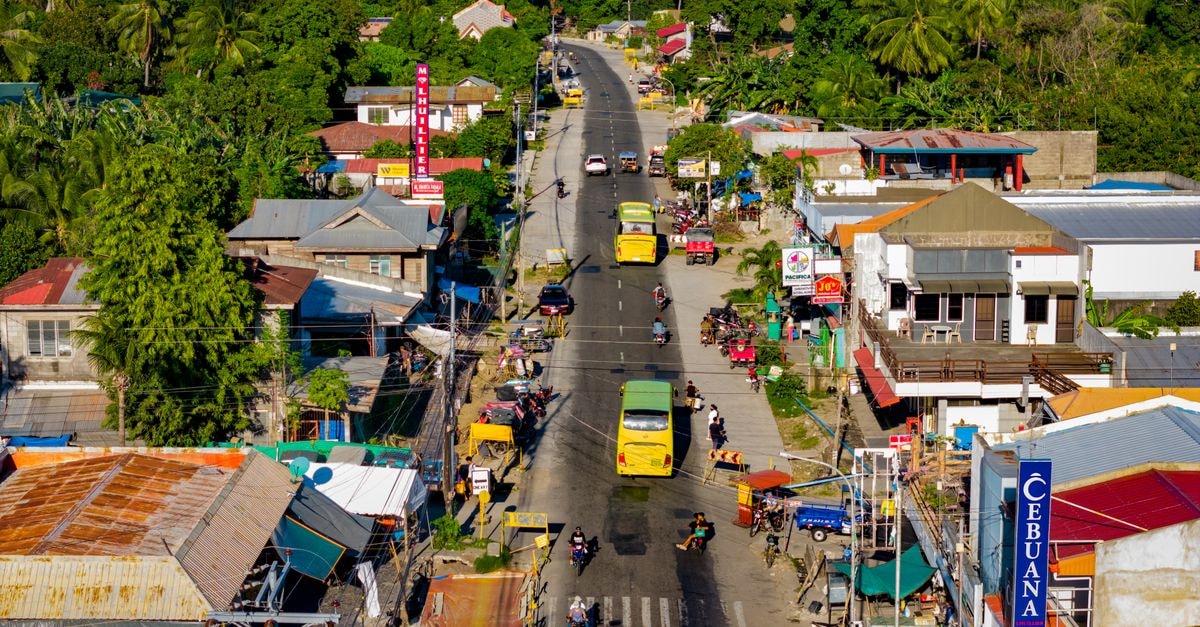
A first impression of Butuan

Butuan sits in the northeastern corner of Mindanao, where the Agusan River once met the sea and traded with kingdoms across the bay. Today it remains the regional capital of Caraga, a working Filipino city layered with stories that stretch back long before the colonial era. Visitors who arrive expecting a polished resort town will not find it here, and that is part of the charm. What you will find is a place where archaeological weight, slow river afternoons, and the everyday warmth of Philippine provincial life coexist without fuss. The city holds an important place in the country's early Christian history, and the surrounding landscape carries the memory of communities who lived by the water for generations.
If you are the kind of traveler who likes to read a destination rather than just tick boxes, Butuan rewards patience. It rewards curiosity about ancient boat-building traditions, about how a regional capital feels when it is not built for tourists, and about the gentler pace of life along the Agusan. This guide gathers what is genuinely useful for planning that kind of trip: where the heritage is rooted, how to move between cities, what the climate generally feels like, and how food and customs work across the wider Philippines.
Weather and seasonal context
The city is best understood as a year-round destination shaped by its tropical setting rather than a place with a single peak window. A practical approach is to pack for both sun and rain, treat the weather as a texture of the day, and let your plans flex around the skies.
Getting around
Butuan functions as a regional hub, so transport here is less about novelty and more about dependable links. For travelers connecting from elsewhere in northern Mindanao, the bus is the cheapest overland way to reach the city from Cagayan de Oro, making the route a realistic option for those already exploring the wider region.
Within Butuan itself, the rhythm is unhurried. Neighborhood life, small eateries, and city landmarks are spread across an area that visitors usually cover by a mix of tricycles, jeepneys, and short rides rather than long commutes. Delta Park appears as a generous green space within the city's fabric, with facilities that include areas aimed at children, which can suit travelers looking for a relaxed outdoor stop between cultural visits. If you prefer open space over dense sightseeing, a slow afternoon at a park like this can be a welcome change of pace from the city's heritage sites.
Attractions and planning
Butuan's identity is anchored by its archaeological and pre-colonial maritime heritage. The Balangay boats are the headline: ancient vessels that helped redraw the map of Southeast Asian seafaring and gave the city a place in the story of early Philippine civilization. Visiting the sites and museums where this heritage is interpreted gives a trip its depth, and it is the kind of slow, focused cultural travel that suits people who like to anchor a destination in one strong thread rather than race through a long list.
Within the wider Caraga region, Tinuy-an Falls is sometimes referenced as a notable natural landmark, often described as the Niagara Falls of the Philippines, and sits a few hours by road from the city. That kind of detail is worth holding lightly: it can shape a longer regional plan for travelers with the time, but the journey itself is a separate decision from a city-focused visit to Butuan. Use such references as context for what the region contains, and decide separately whether a longer excursion fits your itinerary, your pace, and how you like to spend travel days.
Planning in Butuan rewards a measured approach. Group heritage stops together, leave room for the river and the parks, and treat the city as a base for understanding Caraga rather than as a checklist.
Food and customs across the region
Food in the wider Philippines reflects a melting pot of regional influences, with each area adding its own twist to traditional dishes. In Mindanao's southern regions, seafood takes center stage in local cuisine, which gives coastal and riverine meals a strong sense of place. Filipino hospitality is widely noted across the country: strangers may invite visitors into their homes, share food, and go out of their way to help, and refusing food is generally considered impolite, so accepting at least a small portion is the customary response.
These customs shape how a visitor experiences everyday life around Butuan, from neighborhood eateries to informal gatherings, and they are worth carrying into any interaction beyond the city itself.
Before you go
A few details are worth confirming closer to your trip: current bus timings between Cagayan de Oro and Butuan, opening hours for the heritage sites and museums that interpret the Balangay tradition, and the latest local guidance on weather and travel conditions. Treat the information in this guide as a starting frame rather than a final schedule, and check official channels before you travel so that your plans match the city as it is on the day you arrive.
Share this article
TOOLS FOR THIS PLAN
Make the Butuan plan measurable
Choose a tool only when it answers the next question in your trip. Your values stay in the browser, and each tool offers a route back to this planning context.