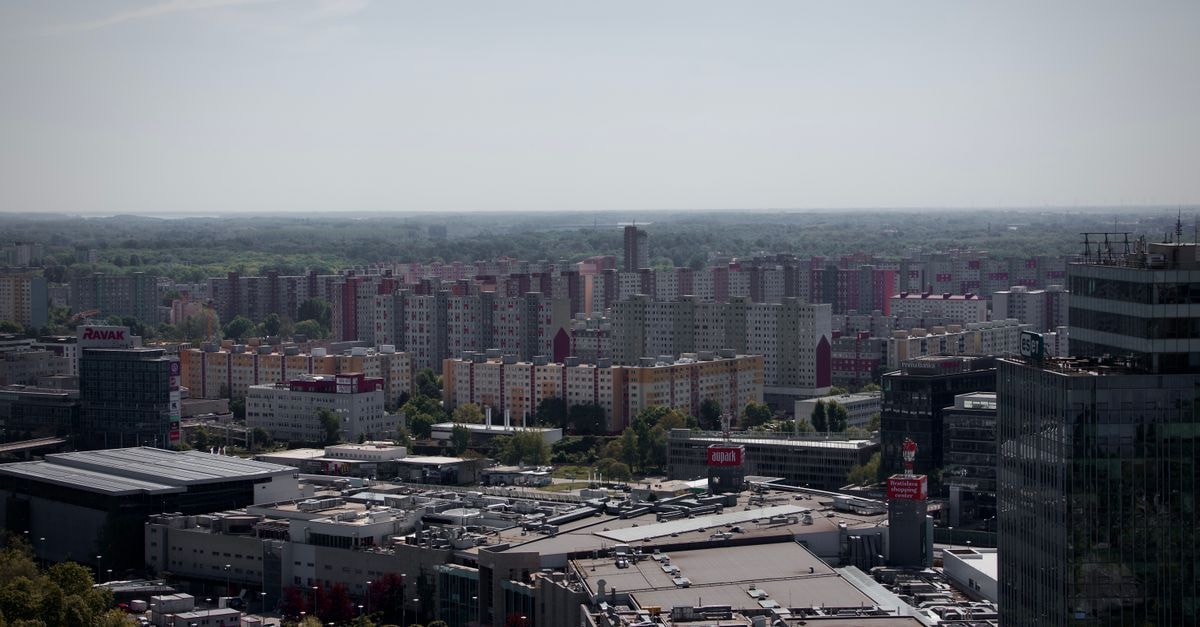
Setting the scene in Buzău

Tucked into the historical region of Wallachia, Buzău sits near the right bank of the Buzău River, framed by the south-eastern curve of the Carpathian Mountains on one side and the flat Bărăgan Plain on the other. The result is a place where foothills, vineyards, and open lowland skies all sit within an easy drive of the same small city.
Buzău reads as relaxed and unhurried. Its center is described as lively yet laid-back, with lush parks, historical sites, and a pace that tends to invite slow wandering rather than rushing between tick-box attractions. Travelers drawn to an authentic Romanian rhythm — coffee on a park bench, an unhurried conversation, a long afternoon walk — tend to settle in quickly.
Nature, geology, and the open road
Buzău County reads like a page from a geological fairy tale, and the strange landscapes that surround the city are arguably its most distinctive calling card. A short drive out of town brings travelers to the eerie Mud Volcanoes (Vulcanii Noroioși) at Berca, where miniature mud craters bubble and hiss across the hillsides, and to the mysterious Living Fires (Focurile Vii), eternal flames flickering from cracks in the earth.
The region also claims its own stretch of UNESCO recognition: the UNESCO Global Geopark Buzău Land, where unusual rock formations, mud volcanoes, and fossil-rich outcrops share a single protected framework. Just as tempting for a different kind of traveler, the rolling vineyards of Dealu Mare offer a slower, more indulgent kind of detour, with cellar doors framed by hills rather than roadside signs.
If geology sparks curiosity, expect full-day excursions rather than quick stops, and plan the trip around viewpoints rather than a packed timetable. Anyone who prefers sweeping scenery over indoor museums may want to give the geopark a full day rather than treating it as a passing curiosity on the way to something else.
Getting around and finding your footing
Buzău itself functions as the county seat, which means most regional roads, bus connections, and signage tend to pass through it before fanning out into the countryside. For visitors without a car, the city works as a sensible base; for those with a rental or a driver, it opens up dramatically.
The surrounding county offers several picturesque hiking trails suited for a range of fitness levels. One highly recommended route leads to Eagles’ Lake (Lacul Vulturilor), a more challenging hike that climbs toward a glacial lake. Trails like this one reward travelers who like to pace a day around a single natural feature, with plenty of time to stop, watch, and descend without rushing the daylight.
Within the city itself, walking is the natural choice. Parks, monuments, and quieter side streets link up compactly enough to cover much of the center on foot, which suits travelers who would rather slow down than navigate timetables. A casual walking app or local guide can help visitors discover off-the-radar corners, monuments, and park paths in the company of fellow wanderers.
Food and the slow-food rhythm
Buzău wears its food culture lightly. The Slow Food movement has a visible presence in the area, championed locally by the Slow Food Community, which works to keep regional recipes and small producers in the spotlight. For travelers, this translates into meals that lean on what is grown, raised, and fermented nearby rather than on generic hotel fare.
A standout way to engage with the local table is through a hands-on cooking workshop at Grigorescu Mansion with Chef Juranda, an experiential session that uses artisanal Buzău ingredients to craft Slow Food dishes. Sessions like this tend to suit curious eaters who like the story behind a recipe as much as the dish itself, and they pair well with an afternoon spent visiting vineyards or wandering the geopark earlier in the day.
Across Romania, travelers will commonly encounter staples such as mămăligă (a polenta-style cornmeal dish), sarmale (cabbage or vine-leaf rolls filled with minced meat and rice), and a strong tradition of cheese, cured meats, and freshly baked bread. As wider Romanian context, these are dishes visitors may well see in Buzău’s restaurants and on regional menus, alongside local wines from the Dealu Mare hills just to the west.
Choosing what fits the trip
Buzău rewards travelers who build their days around a single strong theme rather than a checklist. A geology-focused itinerary might pair the Mud Volcanoes and the Living Fires with a geopark viewpoint and an early dinner back in town. A food-led visit might anchor on the cooking workshop at Grigorescu Mansion, then loosen into vineyard visits and slow park afternoons.
Hikers with energy for a longer day can build around Eagles’ Lake, leaving the morning for the trail and reserving the evening for a relaxed meal rather than squeezing in another stop. Anyone with limited mobility, tight timing, or a preference for gentle urban wandering can comfortably skip the harder hikes and still find plenty to enjoy in the city’s parks, monuments, and the laid-back center.
One verification worth doing before departure: confirm current workshop availability at Grigorescu Mansion and any local transport options for reaching Berca and the geopark, since schedules for smaller regional services can change between seasons. Conditions on the ground — opening hours, trail access, and reservations — can shift, so a quick check with local tourism contacts before the trip helps the slow-paced plan stay slow in the best possible way.
*Factual travel conditions can change. Verify opening hours, trail access, transport options, and workshop availability through official local channels before departure.*
Prices, opening hours, schedules, reservation rules, and local conditions can change; verify them through official channels before departure.
Share this article
TOOLS FOR THIS PLAN
Make the Buzău plan measurable
Choose a tool only when it answers the next question in your trip. Your values stay in the browser, and each tool offers a route back to this planning context.