A hilltop city that earns its nickname

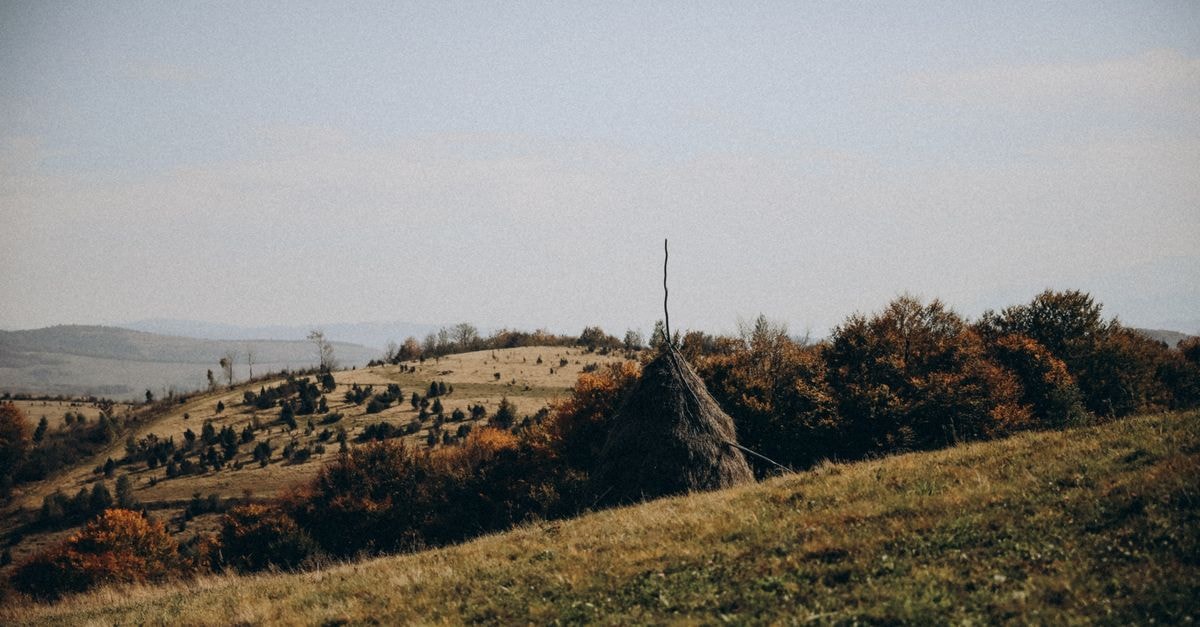
Viseu has the kind of setting that quietly rewards travelers who like a destination with both a story and somewhere to sit with a coffee. The city rests on a granite plateau in Portugal's Beiras region, sitting roughly between Lisbon and Porto. That middle-of-the-country position makes it feel like a calm pause rather than a rushed stopover. Locals often call it the "Garden City," and even a short walk through its older streets gives a sense of why the name stuck: trees, small green corners, and a slower rhythm than the coastal cities tend to offer.
This guide focuses on two strands that define a visit here: the historic heart that draws most first-time visitors, and the food culture that gives the city a strong sense of place. If you enjoy cities where you can pair a morning of architecture with an unhurried long lunch, Viseu may suit the way you like to explore.
Attractions and planning
The historic core is where most travelers begin, and the cathedral is the anchor of that walk. Viseu Cathedral stands at the center of the old town, and understanding how to visit it is essentially the first practical step for anyone arriving in the city. Because it is both a working religious building and a major historical landmark, visitors tend to move through it at a slower pace than a typical museum stop, which is worth keeping in mind when planning the rest of the morning.
Just outside the dense historic center, Fontelo Park offers a different kind of pause. The park is large enough to feel like an escape from the narrow streets, and learning about its activities in advance can help shape a relaxed afternoon. If you prefer cities with green space built into the visit rather than something you have to seek out, this combination of an old-town cathedral and a sizable urban park may match the rhythm of your trip.
A useful approach is to give the historic walk a generous morning, then let Fontelo carry the softer part of the day. That pacing suits travelers who like sightseeing on foot but also want a quieter counterweight to stone walls and cloisters. The cathedral and the park together cover the two main visual moods of Viseu: the layered history of the plateau, and the leafy, garden-town character that earned the city its nickname.
Food and local context
Food is one of the strongest reasons to spend real time in Viseu rather than passing through. The city is celebrated for its culinary heritage, and the traditional dishes showcase the region's flavors and high-quality local ingredients. Restaurants in and around the historic center often highlight seasonal produce, which gives the table a sense of what the surrounding countryside is doing at that point in the year.
For travelers who care about what they eat as much as what they see, Viseu rewards a longer stop. The combination of traditional recipes and a produce-led approach means menus feel rooted in the immediate region, and the food culture extends naturally into wider Portugal context that visitors may encounter while in the city. That broader Portuguese dining sensibility, with its emphasis on shared plates, slow meals, and ingredient-first cooking, tends to shape how a meal in Viseu unfolds.
If your travel style leans toward cities where you build the day around long lunches and unhurried evenings, the food scene here may be one of the strongest reasons to stay an extra night rather than just a few hours. Consider choosing one traditional restaurant for a proper sit-down meal rather than sampling too many quick stops; the regional dishes tend to be richer when treated as a moment rather than a checklist.
Choosing what fits your trip
Viseu's appeal is concentrated rather than sprawling, and that shapes how different travelers experience it. If you gravitate toward historic towns with a compact walkable center, the cathedral and the old quarter will probably be the highlight. If you prefer destinations with built-in green space and a calmer pace, Fontelo Park adds a softer counterpoint to the sightseeing, and the Garden City nickname starts to feel less like a slogan and more like a description of how a day here actually moves.
Food-led travelers may want to plan around meals rather than sights. Because restaurants lean on seasonal produce, an evening spent tasting traditional dishes can carry the same weight as a morning of architecture, especially if you enjoy destinations where the table is part of the sightseeing. For travelers who prefer a packed itinerary of attractions, the city's rhythm may feel quieter than expected, and pairing the cathedral visit with a slower park stop tends to match the local tempo better than rushing between landmarks.
A useful question to settle before you arrive is how much of your day you want to spend inside historic buildings versus open air. Viseu offers a balanced answer either way, but knowing your own preference helps you decide whether to anchor the morning at the cathedral and afternoon at the park, or to weave the two together into a more fluid walk.
A quick verification note
Before your trip, it is worth confirming current opening arrangements for the cathedral, since historic religious buildings can have adjusted visiting hours. Seasonal produce and traditional dishes vary through the year, so checking what is being highlighted by local restaurants closer to your visit can help you plan meals around what the region is doing at that moment. Factual travel conditions can change, and official channels should be checked before departure.
Share this article
TOOLS FOR THIS PLAN
Make the Viseu plan measurable
Choose a tool only when it answers the next question in your trip. Your values stay in the browser, and each tool offers a route back to this planning context.