A first impression of Caacupé

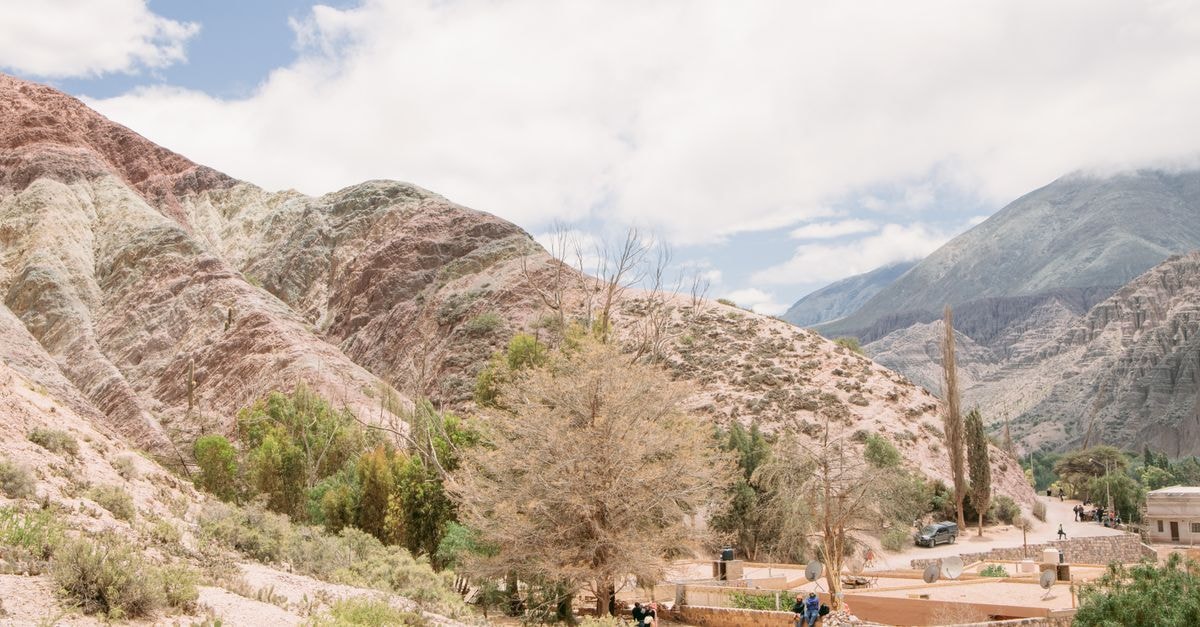
Caacupé sits at the heart of Paraguay's Cordillera department, a small city that carries the easy tempo of provincial life with a notable spiritual pull. The vibe is rooted in lived-in plazas, friendly market chatter, and the kind of unhurried pace that rewards slow strolling rather than checklist running. Travelers who appreciate destinations where community rhythms still shape the day tend to settle into Caacupé quickly, and the surrounding scenery adds a quietly scenic backdrop to even a short visit.
Getting to and around Caacupé
The city is the capital of the department of Cordillera, so it functions as a regional reference point rather than a remote outpost. Most visitors arrive from elsewhere in Paraguay, with the nearest major international gateway being Silvio Pettirossi International Airport (ASU) in Asunción, roughly 54 km away. From there, onward ground transport is the realistic option for finishing the journey into the city.
Once in Caacupé itself, the scale is compact enough that walking usually makes sense, especially around the central plaza and basilica area. A practical bit of everyday preparation goes a long way here: carrying cash in small denominations is helpful because many local vendors and transport options don't accept cards. Planning for cash ahead of time saves the small frustrations that can come from relying on card payments in a smaller city setting.
The basilica and pilgrimage rhythm
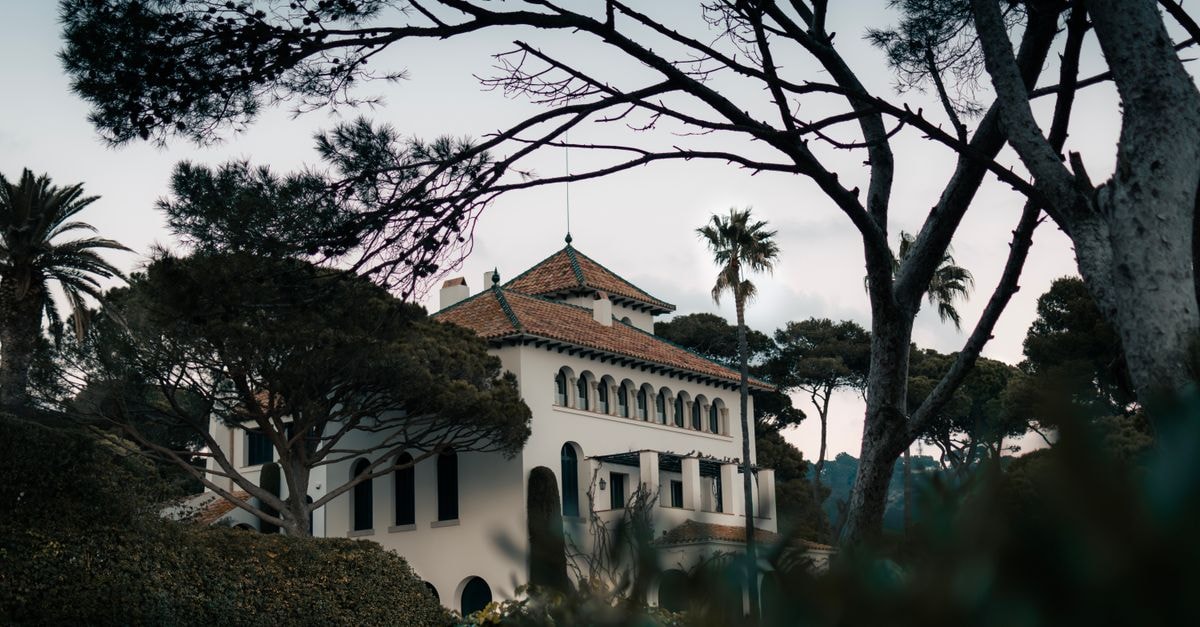
The defining landmark of Caacupé is the Cathedral Basilica of Our Lady of Miracles (Catedral Basílica Nuestra Señora de los Milagros de Caacupé). Inside, a carved image is held in an ornate niche high above the main altar, and during major celebrations the image is displayed outward to the plaza, transforming the central square into an open-air gathering. This is where the city's identity visibly comes alive, and even outside of celebration days the basilica anchors the visual and emotional center of Caacupé.
For travelers, the pilgrimage rhythm is something to be aware of rather than arrange around rigidly. The basilica is a working place of devotion, so visits call for the usual courtesy given at any active religious site. If your trip happens to coincide with a major celebration, expect fuller plazas and a livelier street atmosphere; if not, the basilica still rewards a quiet visit for its architecture and the sense of place it creates.
City comfort and visitor experience
In recent years, public works have visibly improved the visitor experience in Caacupé. Parks were reconstructed, and street lighting and security systems were improved, making the city more comfortable for both residents and tourists. That doesn't translate into a polished, heavily commercialized destination — Caacupé still feels lived-in — but it does mean the basic comfort level for an independent visitor is solid, with safer-feeling streets after dark and better-kept green spaces in the center.
The city offers an authentic Paraguayan experience with lively markets, welcoming communities, and scenic surroundings. That combination is the honest promise of a visit: this is a place where you come for atmosphere and connection, not for a packed attraction circuit.
Food context visitors may encounter
Caacupé is small enough that dining tends to revolve around local spots and market offerings rather than named, branded restaurants. Stepping back to a wider Paraguay context helps set expectations for what shows up on plates around the country, including in places like Caacupé.
Spanish and Guaraní are both official languages of Paraguay, with Guaraní being the most widely spoken language in the country. In practice, that means a few words of Guaraní — or at least the recognition that it is widely used in everyday speech — go a long way in everyday interactions, even in a city setting. When it comes to food, one signature of Paraguayan cooking is the open-fire or grill method often used for large cuts of meat, such as tira de asado, which is a popular dish in Paraguay. You'll see this style of preparation reflected in many local meals, where grilled meat carries the table rather than acting as a side. Treat these as country-wide context rather than a fixed Caacupé specialty, since availability varies by venue and day.
Planning notes and verification
A few final, durable tips for an independent visit:
- Keep small-denomination cash on hand, especially for local vendors and short transport hops. - Treat the basilica and plaza as the natural center of gravity for your time in the city, and build the rest of your day around walking distance from there. - Expect a bilingual environment where Guaraní shows up regularly in conversation and signage. - Allow time to simply sit with the atmosphere — markets, plazas, and the slow rhythm of provincial Paraguay are part of what the city offers.
Because conditions on the ground can change — including transport availability, market days, and any temporary arrangements around the basilica — it's worth checking current information through official channels and local contacts before you travel. Treat this guide as a starting framework rather than a fixed plan, and let the city's actual rhythm shape the details once you arrive.
Share this article
TOOLS FOR THIS PLAN
Make the Caacupe plan measurable
Choose a tool only when it answers the next question in your trip. Your values stay in the browser, and each tool offers a route back to this planning context.