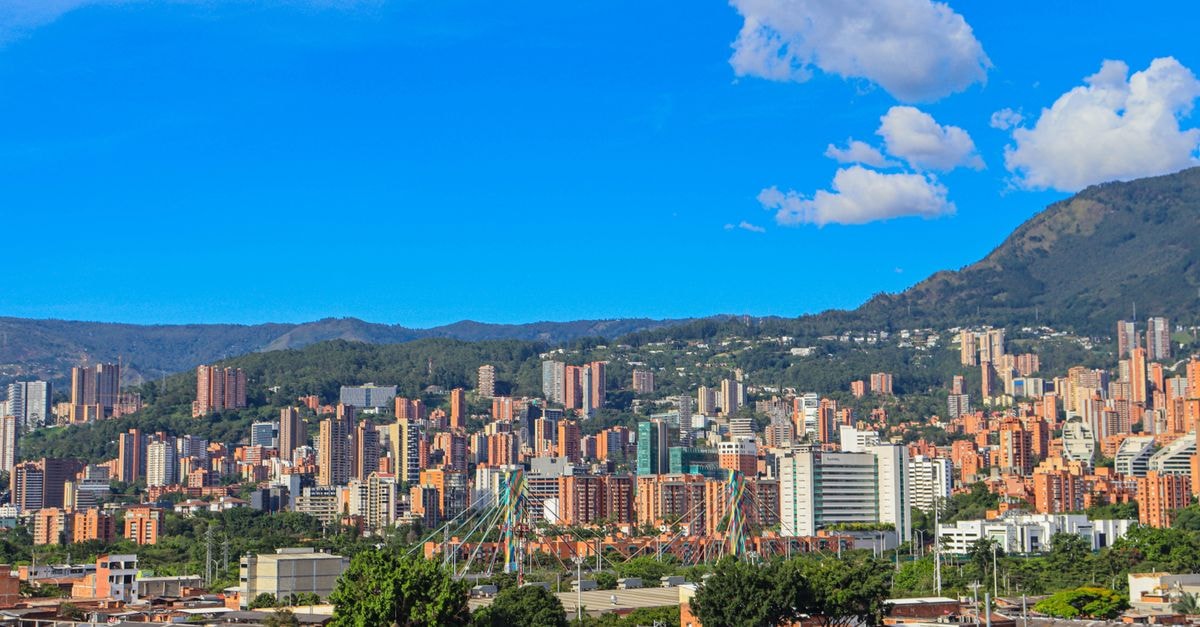
A city carved from the central Andes

Perched high in the Pasco department of central Peru, Cerro de Pasco has the kind of profile that rewards the curious traveler who likes places with a sense of edge. It is not a polished tourism capital, and that is part of the draw. The city sits among mineral-rich mountains that have shaped its history, and visitors tend to arrive with a slightly adventurous mindset rather than a checklist. This guide keeps the focus tight on what is supported: how to think about getting there, how to move around once you have arrived, and the wider Peruvian food culture you are stepping into when you travel through the country.
Getting there and arrival context
Reaching Cerro de Pasco takes a little planning, and that is worth knowing before you start booking. The nearest major airport is Jorge Chávez International Airport in Lima, which is the gateway almost every traveler will pass through on the way into the Peruvian highlands. From the capital, onward travel to Cerro de Pasco typically involves a long overland leg, so building in a sensible buffer day in Lima before heading up into the mountains is a practical move.
Once you are on the ground in Cerro de Pasco, the rhythm of the place becomes clearer. It is a working city with a mining heritage, set at an elevation that can take some getting used to. Travelers often find that slowing the first day or two helps the body adjust, and that walking at a moderate pace rather than rushing between sights makes the experience far more pleasant. Local advice is genuinely useful here, and arranging tips from people who know the terrain is part of how a visit comes together.
Getting around
Movement in and around Cerro de Pasco tends to be handled locally rather than through any single national transport network, and that is part of the texture of the place. The most useful thing to know is that arranging transport locally with experienced guides is the normal way to do things, especially when you want to explore the wider area. This is not a city where you show up with a fixed plan and expect it to unfold exactly as imagined; the local knowledge of drivers and guides shapes what is actually possible on a given day.
For travelers thinking about reaching more remote villages or heading out on foot into the surrounding landscape, the practical note is that certain modes of transport are not mainstream choices here. They are relevant specifically for trekking and for visiting remote villages, which means they are worth considering if your interest is in the highland scenery and small communities rather than only the urban core. The city itself is walkable in many parts, though the elevation and the weather make a slower pace feel more natural than a packed schedule of stops.
Weather and seasonal context
A note on the weather is worth keeping in mind without turning it into a forecast. Cerro de Pasco sits in the central Andes, and the climate at this altitude has a habit of shifting quickly between bright sun, cool air, and sudden cloud cover. Layering is the practical answer to almost any question about what to wear, and travelers who pack a light shell alongside warmer base layers tend to feel more comfortable throughout the day. Because conditions can change fast, pacing outdoor time to the middle of the day when the light is strongest and the air tends to be a touch warmer often works well, with quieter time saved for indoors, a café, or simply watching the city go by.
The broader point is that this is a high-altitude destination, and treating the elevation itself as part of the experience tends to make the visit feel more rewarding. Drinking water steadily, eating well, and giving the first day a gentler shape are the kinds of habits experienced travelers fall into here without overthinking them.
Food and the wider Peruvian context
Cerro de Pasco sits within a country that has become one of the most exciting food destinations anywhere, and it is worth knowing that context before you arrive. Peru's culinary landscape reflects thousands of years of indigenous heritage blended with Spanish colonial influences and modern international innovations, which together create a genuinely layered food culture. Travelers passing through will notice that even simple meals carry echoes of that long history, and that regional variation across the country is part of what makes eating here feel like an adventure rather than a routine.
The clearest reference point for many visitors is Lima, which consistently ranks among global culinary capitals, with restaurants like Central, Maido, and Astrid y Gastón earning international acclaim. That reputation shapes what travelers expect from Peruvian food before they even leave the capital, and it is useful framing for understanding the country you are traveling through. For visitors spending time in Cerro de Pasco itself, the everyday food tends to be hearty and rooted in highland ingredients, with the kind of warmth and substance that suits the climate. Treat the wider Peruvian reputation as context that helps you read menus and market stalls with more curiosity, and let the local kitchens of the central Andes introduce themselves at their own pace.
A few practical notes
Independent travelers tend to enjoy Cerro de Pasco most when they treat it as a slow destination rather than a rush. Build in time to acclimatize, plan arrival through Lima with a buffer, and expect to rely on local guides for movement beyond the center of town. Keep cash on hand for smaller establishments, since card acceptance is not something to assume in the highlands. Above all, talk to people on the ground; the city rewards travelers who arrive with questions rather than a fixed script.
A final reminder: travel conditions can change, and it is always worth checking official channels and current guidance before departure so that your plans reflect the latest practical information.
Verification note
The factual content in this guide is drawn from the approved evidence ledger covering Cerro de Pasco transport, weather, and wider Peruvian food context. Where details such as transport schedules, prices, or opening hours would normally appear, this guide deliberately leaves them out because the available evidence does not confirm them. Readers should verify any time-sensitive information directly with local operators or official sources before acting on it.
Share this article
TOOLS FOR THIS PLAN
Make the Cerro de Pasco plan measurable
Choose a tool only when it answers the next question in your trip. Your values stay in the browser, and each tool offers a route back to this planning context.