A measured welcome to a regional hub
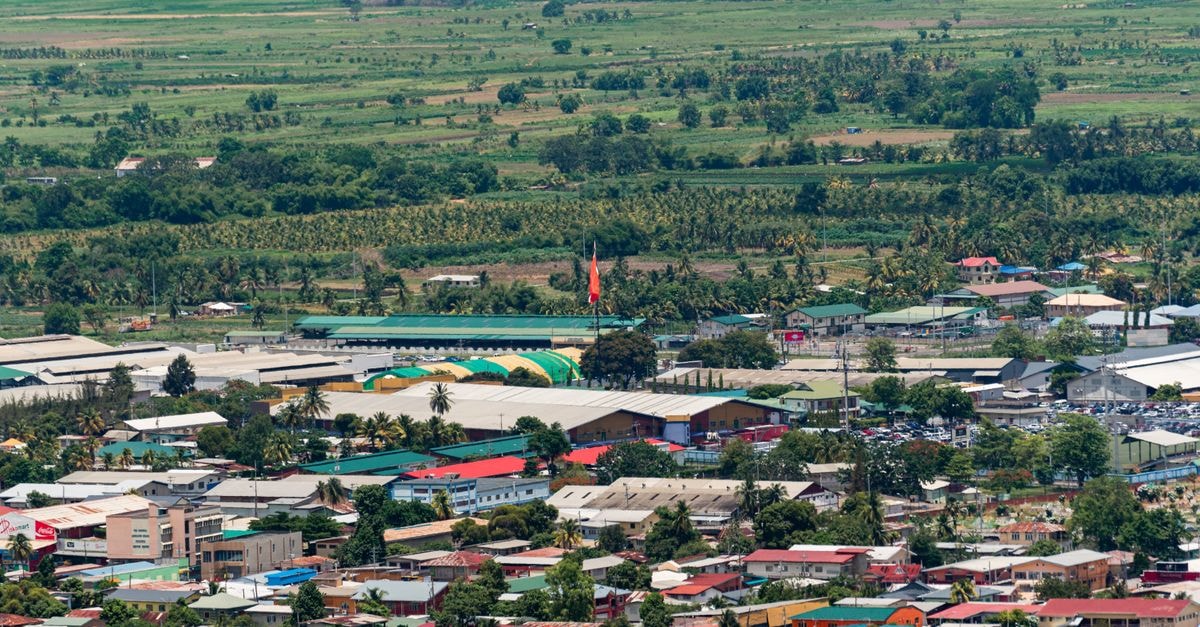
The city has the feel of a place that does not shout for attention, and that is part of the charm for travelers who prefer destinations with a steady rhythm rather than a nonstop bustle. Sitting within the province of Nueva Ecija in Central Luzon, it reads as a working hub rather than a polished postcard, which tends to suit visitors who like to sense the everyday texture of a region from the moment they arrive.
What follows is a tightly scoped guide built from a small but reliable set of approved facts. Rather than padding the picture with assumptions, it focuses on two things a traveler actually needs to know on the way in: how the city sits in the wider geography, and how the practical arrival landscape is described in the available evidence. If you are the kind of traveler who likes to read the map before booking, the opening sections give you a grounded sense of where the city falls in the region and what kind of base is mentioned in the source material.
Where the city sits in Central Luzon
The city is described in the available evidence as a hub in Central Luzon, located in the province of Nueva Ecija. It functions as a gateway to the northern part of Luzon, which gives travelers a useful mental model before they arrive: this is a transit-oriented city in the middle of a large island, not a coastal resort town and not a dense capital core.
Because the source describes the city as a gateway to the northern part of Luzon, it implies that travelers may use it as a base for onward movement rather than as a closed loop. That is a useful framing if you are sketching a Luzon itinerary and want a city that sits between regions. It also means that planning tends to work well when you think of the city in relation to what lies beyond it, not just what is inside it.
Weather and seasonal context
The available evidence does not provide direct temperature figures, rainfall totals, or a current-condition snapshot for any specific month. Because the source describes the city with reference to its position in Central Luzon, the safest reading is to treat it as sharing the broad regional climate pattern of lowland Luzon, without turning that into a hard forecast.
In practice, that means travelers should not assume the weather will behave like a beach destination or like a highland retreat. Lowland Luzon cities typically feel warm through much of the year, with a wetter character during the monsoon months and a drier feel at other times. None of those details are confirmed in the approved evidence, so they are mentioned here only as the kind of context a visitor might want to keep in mind, not as a guarantee. If you have a strong preference for a particular kind of day, consider looking up a current forecast closer to your trip, since the source itself does not give a checkable weather figure.
Getting around and arrival context
The source material is deliberately light on transport detail, but what it does include is worth taking seriously. The arrival landscape is described with one named hotel property and a stated rate, rather than a long list of options, so the most honest reading is that the evidence supports a narrow but real picture of where a traveler might stay and how the city is positioned.
The Harvest Hotel Managed by HII is mentioned at 66 dollars per night, in a listing that appears roughly 7 kilometers away in the source. That single data point gives you a concrete sense of the price band at one mid-range property, which is useful if you are calibrating expectations. Because only one hotel is named, the guide does not attempt to compare properties or invent a shortlist; the safe move is to treat this as one verified reference point and to look elsewhere for the wider choice.
For travelers who prefer to lock in a familiar branded stay with a published rate, the pattern of having a managed hotel in the evidence may suit you, since it suggests the city does have at least some organized accommodation inventory. For travelers who would rather weigh several options before booking, the absence of a broader list in the evidence simply means more of that work will need to happen outside the guide, and that is an honest limitation rather than a hidden problem.
Choosing what fits the trip
With only a small set of confirmed facts, the practical decisions narrow quickly. The city reads as a gateway, not as a destination in its own right, and the only concrete accommodation reference is one mid-range property at a stated rate. If you are the kind of traveler who builds a Luzon route around a transit anchor, this profile may suit you, since the source frames the city as a hub with at least one managed property in the accommodation market. If your priority is a dense urban core with many attractions inside a single walkable area, consider verifying whether the gateway framing matches that expectation, since the source frames the city primarily as a hub rather than as a self-contained sightseeing destination.
A grounded approach is to pair the geographic framing with the one named hotel, treat both as anchors, and then verify anything else, from transport options to seasonal conditions, through official or live sources before you travel. That keeps the guide honest to what is actually confirmed and leaves room for you to fill in the rest.
A note on verification
Because the available facts are limited, the most useful question to ask before you travel is whether the gateway role and the named hotel still match your plans as described today. Travel conditions, prices, and availability can change, and the official channels for transport and accommodation will give you the most current picture before you commit to dates or bookings.
Share this article
TOOLS FOR THIS PLAN
Make the Cabanatuan City plan measurable
Choose a tool only when it answers the next question in your trip. Your values stay in the browser, and each tool offers a route back to this planning context.