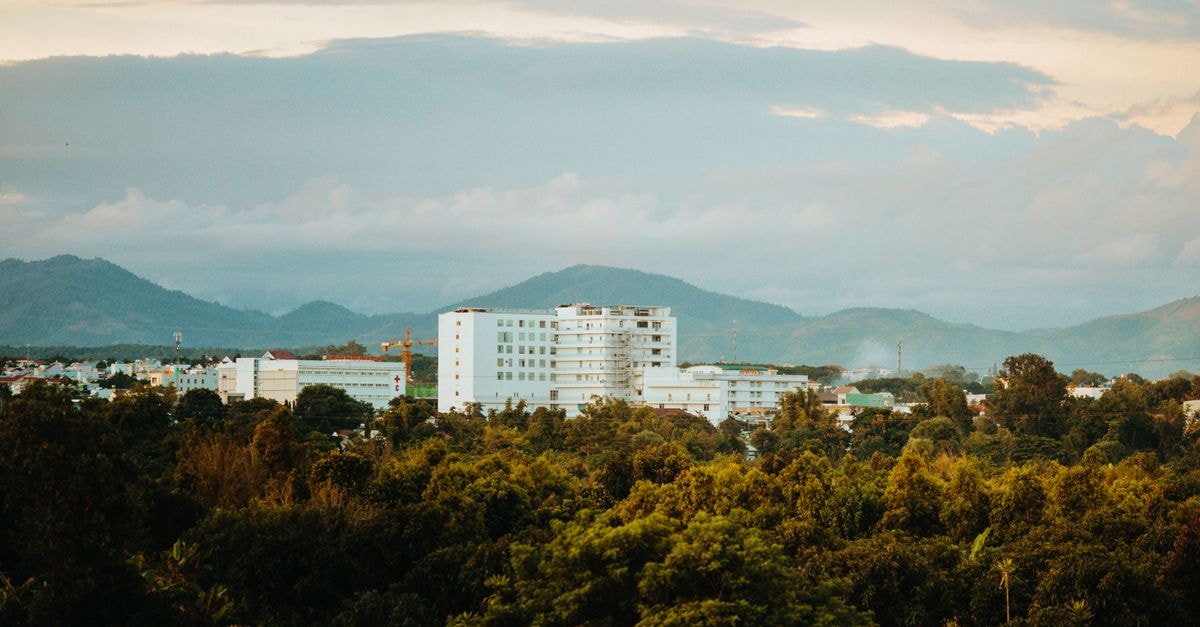
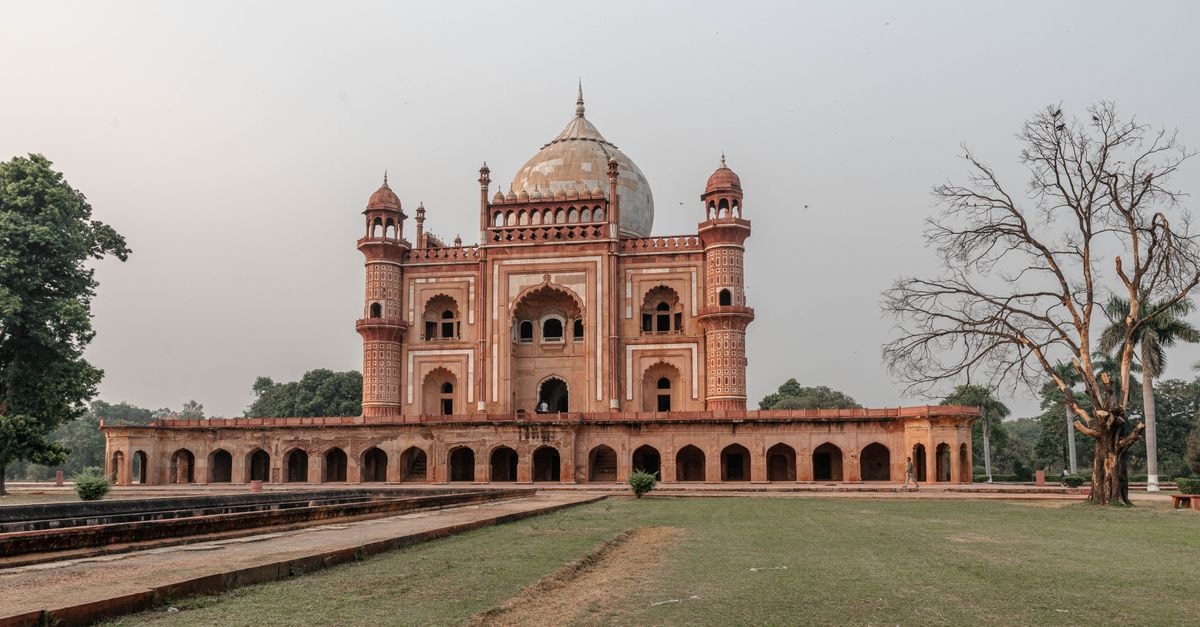
A provincial capital with room to breathe

The city sits in the wider Central Luzon region, an area shaped by farming and mountain landscapes. Travelers often treat it as a base for exploring natural and spiritual sites nearby, but the capital itself rewards unhurried wandering and friendly encounters. Because of the agricultural setting and open terrain, conditions outdoors can feel warm and exposed during the day, so pacing yourself with shade and water is generally a good idea when moving between stops.
Weather and seasonal context
Tarlac City sits in a region where the climate can feel hot and humid for much of the year, with a rainy season that brings frequent showers. While a travel guide at Wikivoyage describes the destination as the provincial capital of Tarlac, broader regional weather patterns suggest visitors should plan for warmth and the possibility of sudden downpours, especially when heading out toward elevated or open-air destinations. Layered planning tends to work better than fixed outfits.
Travelers drawn to the Monasterio de Tarlac, a clifftop monastery and pilgrimage site with a towering cross and panoramic valley views, will find that the experience rewards clear sightlines, so timing a visit for a window with better visibility can enhance the climb and the views. Likewise, those planning the journey to a crater lake accessible by 4x4 and hike from the Capas jump-off, leading to a remarkable lunar-like landscape, should consider that weather can affect both the drive and the hike. The crater lake's dramatic terrain feels more striking when conditions cooperate.
One Tarlac City travel overview describes the destination as Central Luzon's agricultural heart with authentic provincial Philippine living, noting that prices and conditions reflect a specific point in time and can change. As always, it is wise to verify costs, travel schedules, and requirements with official sources before making decisions, particularly when planning outdoor excursions where weather and access can shift.
Getting around
Moving around Tarlac City is generally straightforward, with the compact provincial layout making it approachable for visitors who prefer not to rely on a private vehicle. The city functions as a base for excursions into the surrounding province, so understanding your transport options for both in-city movement and outward day trips is helpful.
Accommodation listings highlight several well-reviewed places to stay in Tarlac City, including La Maja Rica Hotel, RedDoorz Plus @ Starhomes Olivianville, and My North Star Hotel. Verified travelers have rated the breakfast offerings at these properties particularly highly, which can be a meaningful detail for visitors who prefer to start the day without searching for an early morning meal. Booking platforms often describe Tarlac City as a hidden gem in the Philippines, suggesting that it suits travelers looking for a destination off the more typical tourist trail.
Because the city is positioned near pilgrimage sites and adventure destinations, arranging onward transport for day trips is usually part of the planning. Visitors comfortable with arranging local transport independently may find this flexibility rewarding, while those who prefer a more curated experience can look into local guides or packaged tours for routes like the Monasterio de Tarlac and the crater lake trek reached via the Capas jump-off.
Food and local context
Tarlac City sits within the Philippines, a country where regional cuisine is celebrated for its diversity and where each area tends to develop its own twist on traditional dishes. As a visitor to Tarlac City, you will be moving through a wider Filipino food culture where flavors vary by region, with the southern Philippines' seafood dishes being one well-known example of how geography shapes the menu. While the specific dishes of Tarlac are part of that broader mosaic, the capital offers a chance to experience everyday provincial eating alongside the country's larger culinary identity.
Beyond food, visitors to the Philippines often encounter the warmth of Filipino hospitality, which is widely described as legendary in nature. Strangers may invite travelers into their homes, share their food, and go out of their way to help. In that context, refusing food is generally considered impolite, so accepting at least a small portion when offered is a thoughtful gesture that honors local custom. This graciousness tends to color everyday interactions in Tarlac City, from market stalls to small eateries, and visitors open to the experience often find it becomes one of the most memorable aspects of the trip.
For travelers who enjoy exploring local food culture through markets, carinderias, and casual restaurants rather than formal dining rooms, Tarlac City fits that rhythm comfortably. The agricultural setting means fresh produce is part of daily life, and visitors interested in seeing where ingredients originate may find that connection easy to explore. As always, asking locals for recommendations on where to eat is one of the most reliable ways to find the dishes that define a place.
Choosing what fits your trip
The pace of Tarlac City invites a particular kind of traveler: one who values authenticity over polish and is comfortable arranging transport and outdoor excursions independently. If your interest leans toward spiritual sites and panoramic views, the Monasterio de Tarlac offers a quieter pilgrimage experience. If dramatic volcanic landscapes appeal more, the crater lake trek via the Capas jump-off may suit those prepared for an active day. Travelers who prefer a relaxed base with good breakfast and easy access to the province may find the well-reviewed accommodations particularly convenient. If you prefer fully guided experiences over self-arranged day trips, consider researching tour options in advance.
A note before you go
Conditions in Tarlac City, including prices, schedules, and access to sites like the Monasterio de Tarlac and the crater lake reached from the Capas jump-off, can change over time. Travel guides, including the Wikivoyage entry for Tarlac City and broader Philippines cultural resources, offer useful context but should be paired with current information from official sources before finalizing plans. Where details matter most, a quick verification before departure can save both time and disappointment.
Share this article
TOOLS FOR THIS PLAN
Make the Tarlac City plan measurable
Choose a tool only when it answers the next question in your trip. Your values stay in the browser, and each tool offers a route back to this planning context.