A first look at Cabo San Lucas

There is a particular rhythm to Cabo San Lucas that draws people in long before they reach the famous arch at Land's End. The Pacific and the Sea of Cortez meet here, and the town has grown up around that meeting point with a mix of fishing-village roots and a polished tourist corridor. For travelers who like to move at their own pace, this is a place where a relaxed morning can turn into a sunset stroll along the marina without much planning at all.
If you are the kind of visitor who prefers to skip pricey transfers and figure out how a place actually works, two practical themes shape a smart Cabo San Lucas travel guide: how to get around, and what to eat. The rest, in many ways, follows from there.
Getting around by Los Cabos Buses
The main option of public transportation in Cabo San Lucas is the bus system, also known as Suburcabos. It is a deliberately low-key way to move through the area, and that is part of its appeal for travelers who like a sense of everyday local life alongside their sightseeing.
Los Cabos Buses are cheap and provide an easy method of moving that run along the tourist corridor between Cabo San Lucas and San José del Cabo. That corridor is where many of the resorts, beaches, restaurants, and main visitor services sit, so the route essentially threads the two anchor towns of the Los Cabos region together. For a traveler who is not in a rush, hopping on a Suburcabos bus is a way to feel the geography of the area stretch out between the two towns rather than seeing it from behind tinted car windows.
A few gentle pointers help make the experience smoother. Cash on hand tends to make the process easier, since you are paying a small fare to a driver rather than tapping a card at a turnstile. Buses run in both directions along the corridor, so it is worth confirming with the driver or other passengers that you are boarding toward the destination you actually want, Cabo San Lucas or San José del Cabo, before settling in. Because the buses follow a fixed corridor rather than a sprawling city network, the system is best thought of as a scenic and budget-friendly spine for your trip, ideal for days when you want to move at a Baja pace and watch the desert-to-ocean landscape change outside the window.
Food and local context
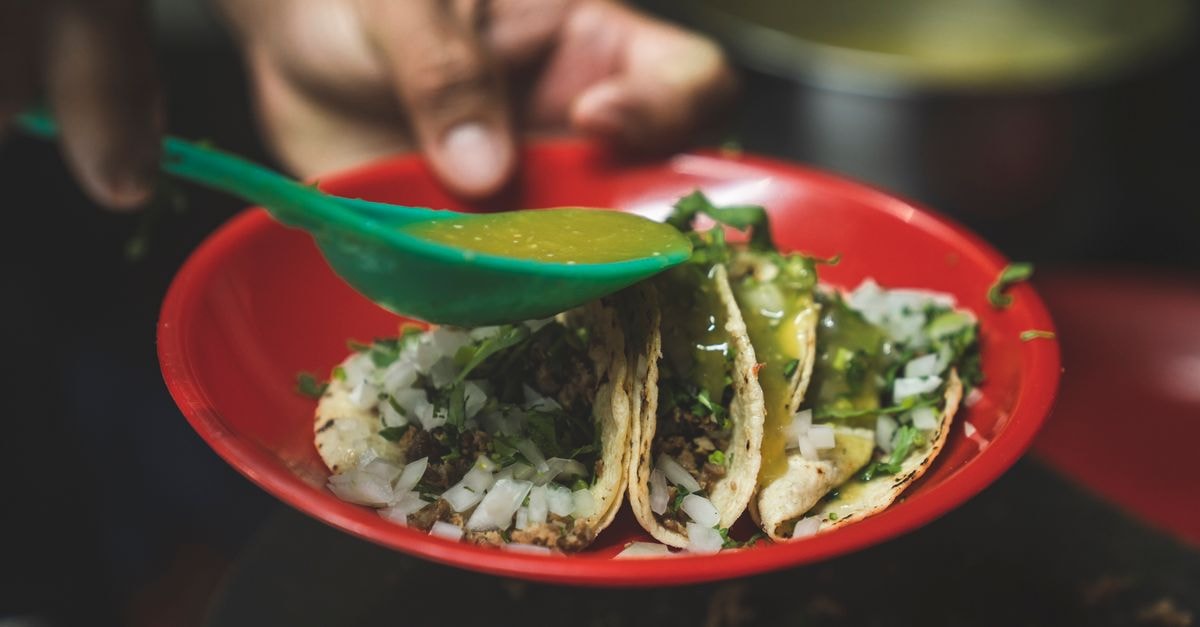
Food is one of the most enjoyable ways to get to know Cabo San Lucas, and the local cuisine has a personality shaped by both sea and land. A good starting point is simply a list of the most popular foods to try during your visit. Treating that list as a friendly checklist rather than a rigid itinerary keeps the experience relaxed, and it lets you choose dishes based on mood, hunger, and curiosity on any given day.
The dishes worth seeking out tend to reflect the same ingredients you see around you: fresh seafood from the Pacific and the Sea of Cortez, alongside flavors rooted in wider Mexican culinary tradition. Visitors often encounter dishes that feel both regional and familiar, which is part of what makes eating your way through the town so satisfying. Pairing a couple of these traditional plates with an unhurried afternoon is a nice way to anchor a day, especially if you have just arrived and want to settle into the rhythm of the place before exploring further.
The food scene here also has a cultural dimension that goes beyond the plate. Cabo San Lucas has enough cultural and museum sites that a thoughtful visitor can pair a morning of exploring local history with an afternoon of trying local dishes. Letting the food and the cultural stops complement each other adds a layer of meaning to a trip that pure beach time rarely offers on its own.
Cabo San Lucas traditional cuisine is best approached as a memorable part of any visit rather than a checklist of Instagram moments. Sit down at a casual spot, ask the server what is fresh that day, and let the recommendations guide you. Order one familiar favorite and one plate you cannot pronounce. The contrast is often where the most lasting memories come from.
Practical tips for independent travelers
A few small habits can make a Cabo San Lucas trip feel smoother, especially for visitors who like to organize things themselves.
First, treat the bus as a daytime companion. The Suburcabos service is well suited to relaxed daytime movement along the tourist corridor, and pairing it with a taxi or a walk for short hops within Cabo San Lucas itself is a natural combination. You get the savings and the views on the longer route, and the convenience of a quicker option when time is tight.
Second, build your food plans around a few anchor meals rather than every snack. One long, leisurely lunch by the marina and one proper dinner featuring a traditional dish gives you space to actually taste the cuisine rather than rushing through it. Mornings can be lighter, with coffee and a local breakfast before heading out.
Third, give yourself one cultural stop. Even a single museum or cultural site, combined with a traditional meal, can shift a trip from purely scenic to genuinely interesting. It also tends to slow the pace in a way that suits the town.
Finally, keep small bills and coins accessible. The bus is cash-based, and tipping culture in restaurants is easier when you are not digging for change.
What to leave room for
Cabo San Lucas has a way of rewarding travelers who leave a little unstructured time in their plans. The sunset over the Pacific is one of those simple pleasures that does not need a reservation or a ticket, and it pairs naturally with a long walk along the waterfront after dinner. Likewise, a spontaneous decision to try a new dish because the kitchen smells amazing is often the moment travelers remember most fondly.
Approached this way, the town becomes a place where a cheap bus ride, a plate of traditional food, and an unhurried sunset add up to something more memorable than any single headline attraction.
*Travel conditions and local services can change. Fares, routes, museum hours, and restaurant offerings should be confirmed with official operators or local sources before your trip, so your plans stay current and accurate.*
Prices, opening hours, schedules, reservation rules, and local conditions can change; verify them through official channels before departure.
Share this article
TOOLS FOR THIS PLAN
Make the Cabo San Lucas plan measurable
Choose a tool only when it answers the next question in your trip. Your values stay in the browser, and each tool offers a route back to this planning context.