A first look at Tijuana

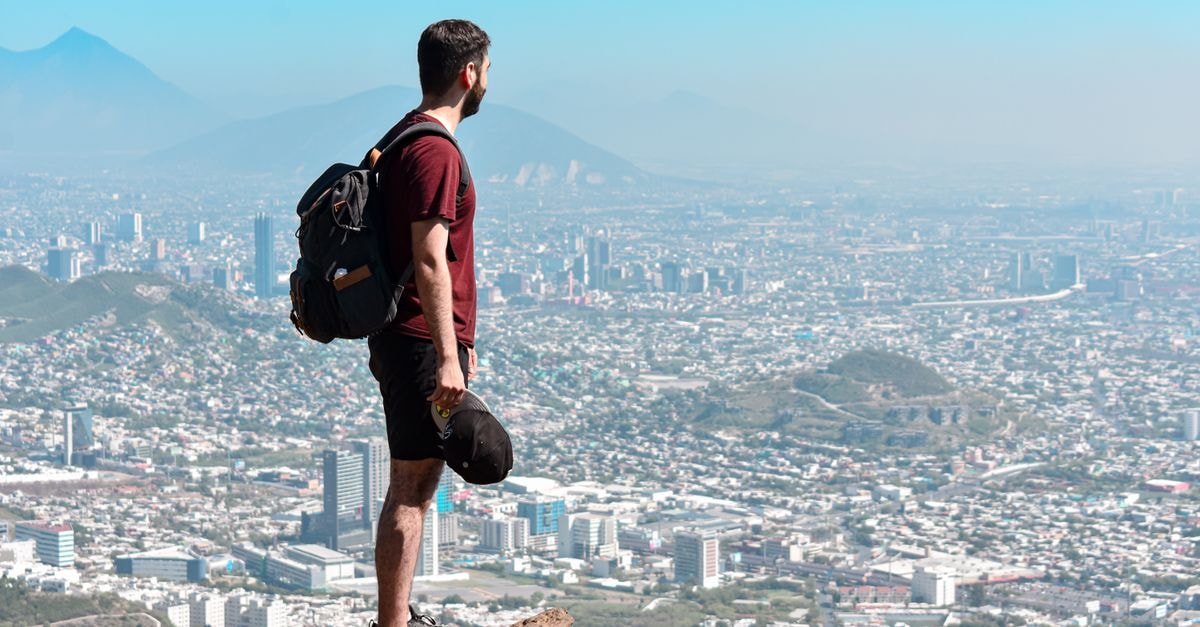
Tijuana has a way of surprising people who arrive expecting only a border stopover. The city sits where northern Mexico opens onto the Pacific, and its personality is shaped by that geography: a working border economy, a coastal edge, and a creative food scene that draws as much attention as the crossings themselves. This guide is built for travelers who like to plan lightly, walk when they can, and follow a few well-chosen anchors rather than a packed schedule.
The tone here is unhurried. Rather than promise a checklist, the sections below gather what the city's own footprint confirms: how to move through it after you land, where the coastline invites a slower pace, what kind of culinary capital you're stepping into, and one attraction worth slotting in if your plans have room. Think of it less as a definitive manual and more as a friendly map of what makes Tijuana feel like itself.
Getting around
Tijuana International Airport is the main point of arrival for travelers flying in, and the city's transport options from there vary by budget, destination, and how much convenience you want to trade for savings. It's worth deciding before you land whether you're heading straight into the city center, out toward the coast, or connecting onward, because the right choice often depends on that first leg.
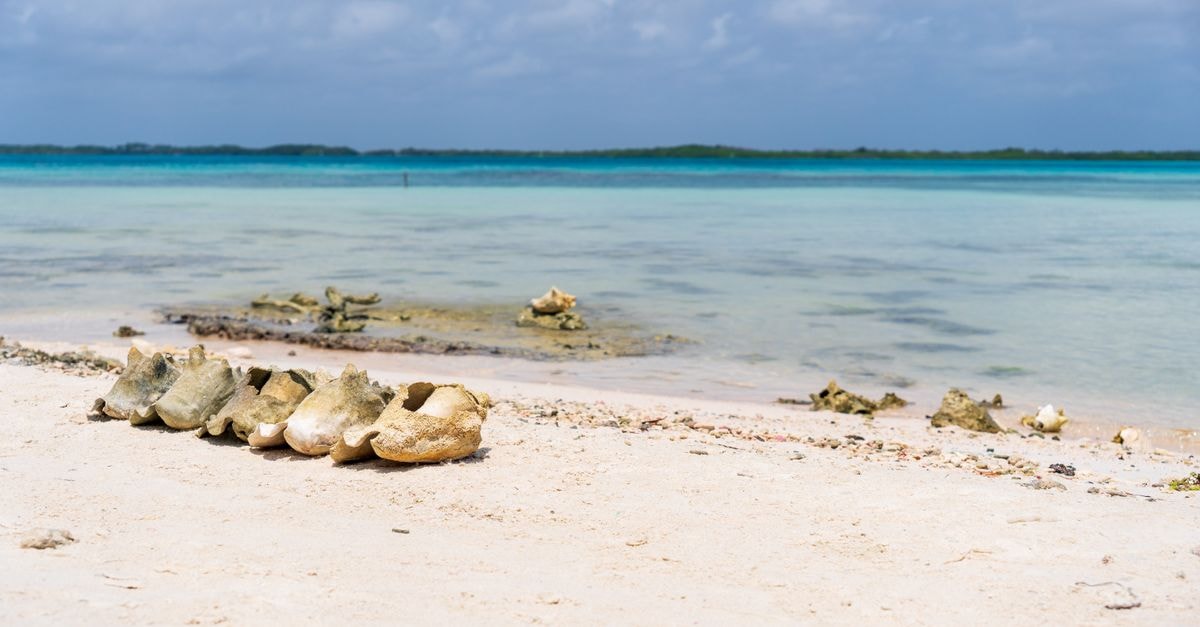
Once you're in the city, getting around is simpler than its size implies. If your plan includes time by the ocean, the malecón, or esplanade, in Playas de Tijuana is genuinely pleasant for walking, and it's the kind of stretch where you can slow down, watch the Pacific, and feel the rhythm of the neighborhood without committing to a long route. Walking the malecón is less a transit choice than a small pleasure that doubles as orientation: you read the coast, you read the pace, and you decide what kind of day you want.
For longer distances, taxis and ride options are common, and rental cars are an option for travelers who prefer the independence of their own wheels. The honest summary is that you don't need to overthink the transport layer here. Plan how you'll leave the airport, give yourself a coastal walk if Playas is on your list, and leave the rest of the day flexible. Tijuana rewards that kind of loose itinerary.
Food and local context
Tijuana's food story is one of the strongest reasons to visit, and it deserves its own heading because it shapes how the whole city feels. The way locals and visitors talk about eating here is the way people talk about a regional capital, not a single stop on a route. Two threads come up again and again: a serious Baja-and-Pacific seafood sensibility, and a heritage that runs deeper than the modern headlines.
Chefs in Tijuana work with Pacific seafood as their canvas and pull freely from techniques well beyond Mexico, which gives the dining scene a confident, exploratory feel. You can eat your way through tasting menus that riff on local fish with Japanese-influenced precision, or you can step into something older and more rooted. The same city that hosts experimental kitchens also serves a flour-tortilla carne asada taco in the small hours of the morning, an unpretentious northern Mexican tradition that many travelers consider a rite of passage.
There's also a particular piece of culinary history that lives here: Tijuana is where one of the world's most documented food inventions was created, and the restaurant tied to that invention still draws curious diners. Beyond the headline tables, the city is full of neighborhood spots where the cooking is honest, the menus are unflashy, and the point is the flavor. Tijuana cuisine, taken as a whole, reflects the city's cultural breadth: coastal ingredients, northern traditions, and a creative class that's not afraid to bend the rules.
A practical note for visitors: the food scene rewards both planning and spontaneity. Some experiences, like the city's most celebrated tables, deserve a reservation and a little research in advance. Others, like a late-night taco stop, are best walked into without expectation. Carry the same curiosity into both, and the city will feed you well in more ways than one.
Attractions and planning
Most travelers come to Tijuana for the food, the crossings, and the coast, but the city also holds a handful of stops that reward a few hours. One that consistently stands out for families and curious travelers alike is El Trompo, an interactive science and technology museum designed to hold the attention of younger visitors while still giving adults plenty to think about. If you're traveling with children, or if you simply like a hands-on museum, this is the kind of stop that turns a transit afternoon into a highlight.
Beyond El Trompo, the structure of your day is really up to you. Tijuana isn't a city to be raced through; the most satisfying visits pair a couple of anchor stops with long meals, a coastal walk, and the kind of wandering that only happens when you leave space in the schedule. Use the museum as a marker, not a mission. Build outward from there with whatever matches your mood, whether that's a slow morning in Playas, a long lunch in the culinary neighborhoods, or an evening that ends with a taco and a walk back to your hotel.
A few practical anchors worth keeping in mind: confirm transportation from the airport before you arrive, give yourself at least one meal in a place that reflects the city's deeper culinary heritage, and don't skip the malecón if the coast is anywhere near your route. With those three pieces in place, the rest of Tijuana tends to take care of itself.
A short note before you go
Factual conditions for travel, including transport availability, business hours, and entry details, can change at any time. Treat the suggestions above as a starting frame rather than a guarantee, and verify the practical details that matter most to your trip through official channels before departure. Currency rates, where relevant, should always be checked at the live rate on the day you travel. With that frame in place, Tijuana is the kind of city where a short, well-paced visit can leave a strong one.
Share this article
TOOLS FOR THIS PLAN
Make the Tijuana plan measurable
Choose a tool only when it answers the next question in your trip. Your values stay in the browser, and each tool offers a route back to this planning context.