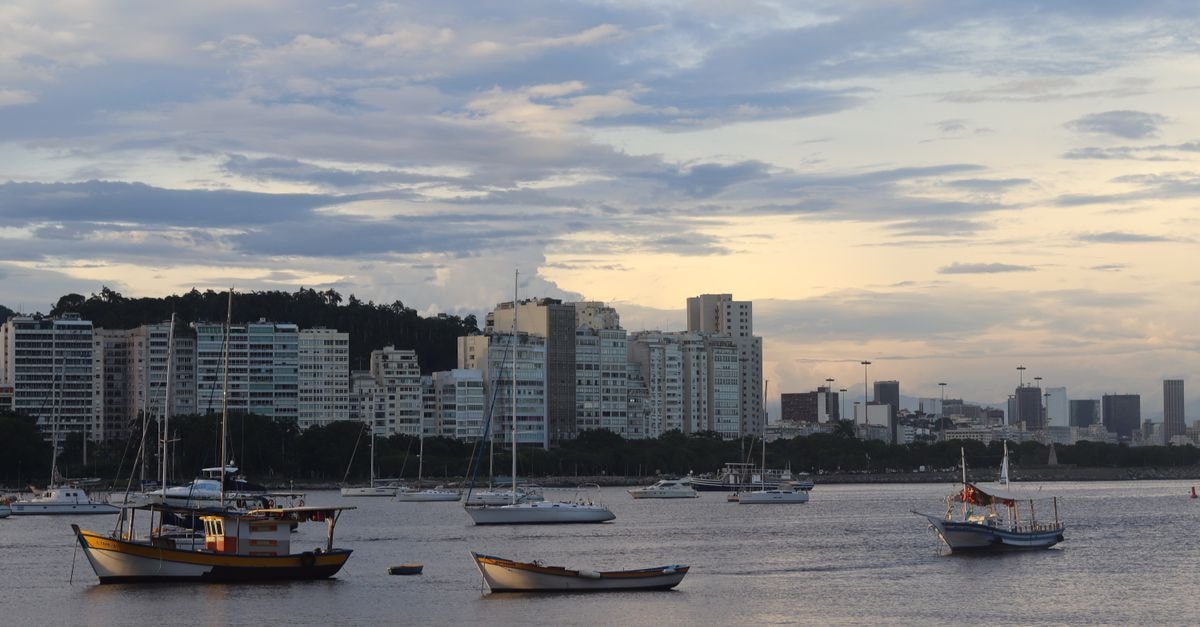
A port city that wears its working life on its sleeve

Callao is not the polished postcard version of Peru, and that is part of its draw. Set directly along the Pacific coast and sitting right next to Lima, it is the country’s only constitutional province and has long carried the rhythm of ships and trade. Long before today’s cruise terminals and container yards, the harbor had already established itself as the principal Spanish trading port on the Pacific. That deep maritime identity still hums beneath the streets, and it gives the city a particular atmosphere that feels less like a theme park and more like a place where things actually happen.
For visitors, Callao works best as a short, deliberate stop rather than a long stay. It rewards people who come curious about how Peru connects to the wider Pacific, who enjoy seeing a working port in motion, and who are comfortable reading a city with their eyes as much as their itinerary. If that sounds like you, the practical notes below should help you plan with confidence and respect for the place.
Weather and seasonal context
Callao sits on the coast, which shapes its weather more than any inland influence. The coastal climate is famously muted: mornings often begin under a soft marine layer that locals call *garúa*, a fine misty cover that can linger well into the afternoon. Sunlight tends to arrive later in the day, and even when the sky clears, the air usually keeps a cool, briny quality. Light layers tend to be more useful than heavy ones, and comfortable walking shoes matter more than a beach outfit.
Because Callao is geographically tied to the sea, weather is best approached as something to plan around rather than fight. Pacing sightseeing for the brighter parts of the day, when visibility is at its best, generally makes the experience more rewarding. Coastal summers along this part of the Pacific are typically sunnier and warmer, which is often when island excursions and beach days feel most appealing. Outside those months, the city still functions well, it simply asks for a slightly different rhythm.
Two practical reminders matter more than any forecast. The first is daylight. Within the designated tourist zones, the area tends to feel safe during daylight hours. The second is awareness. Surrounding neighborhoods can call for more caution, and street crime and gang activity are noted concerns. Visitors commonly avoid walking at night and stick to recognized tourist routes. Treating these as simple habits rather than dramatic warnings tends to make the day feel relaxed.
Getting around
Callao is compact enough that short hops between points of interest rarely feel like a chore. The transport story, though, is less about specific routes and more about orientation. The regional government offers a dedicated orientation resource for visitors, including a digital tourism calendar that consolidates guidance for activities and recommendations on natural and cultural spaces within the port city. Treating that calendar as a starting point, rather than a final itinerary, gives you a sense of what is currently being highlighted without locking you into a rigid plan.
Two habits make moving through Callao easier. First, keep your day structured around daylight and the marked tourist circuits, so you are rarely navigating unfamiliar blocks after dark. Second, use the official orientation tools to anchor your route. They exist precisely because the city has both working-port intensity and visitor-friendly pockets, and knowing which is which in advance saves a lot of friction. Beyond that, simple choices like grouping nearby stops together and allowing buffer time between them tend to serve visitors better than ambitious distance calculations.
Attractions and planning
Callao’s appeal leans heavily into atmosphere, and the attractions tend to be the city itself as much as any single building. Visitor write-ups frequently frame the city through standout places that surprise first-time travelers, which is a fair signal that the rewards here are real even if they do not always announce themselves with a gift shop.
Planning a visit works best with a flexible mindset. Choose two or three anchors for the day, leave generous time between them, and build in room for the unplanned: a conversation with a vendor, a quieter corner with a view over the water, or a mural you only spot because you slowed down. Because the strongest local content often surfaces through the regional tourism calendar and orientation pages, checking those before you go tends to pay off. They highlight what the city itself wants visitors to see, which is usually a more grounded picture than any third-party ranking.
Finally, keep your expectations calibrated. Callao is not trying to be a tidy tourist bubble, and trying to experience it as one usually ends in frustration. Read it as a port city that happens to welcome curious travelers, plan for daylight, use the official orientation tools, and let the working waterfront do the rest. That approach tends to turn a short stop into one of the more memorable parts of a Peru trip.
A note on facts and planning
Travel conditions in any port city shift over time. Safety conditions, weather patterns, opening schedules, and the practical details of getting around are all subject to change. Treat this guide as a starting framework built on durable context, and verify current specifics through official channels before you travel. Checking the regional government’s tourism calendar and orientation resources shortly before your visit is the easiest way to keep your plans accurate without losing the spirit of the guide above.
Share this article
TOOLS FOR THIS PLAN
Make the Callao plan measurable
Choose a tool only when it answers the next question in your trip. Your values stay in the browser, and each tool offers a route back to this planning context.