A grounded introduction to Caloocan

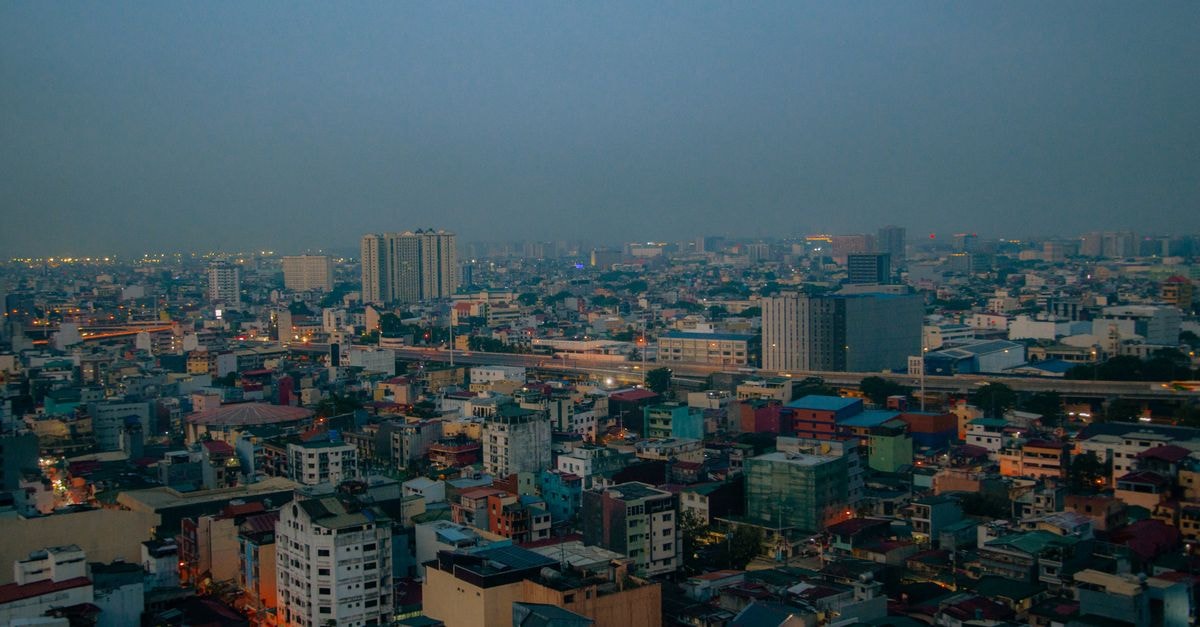
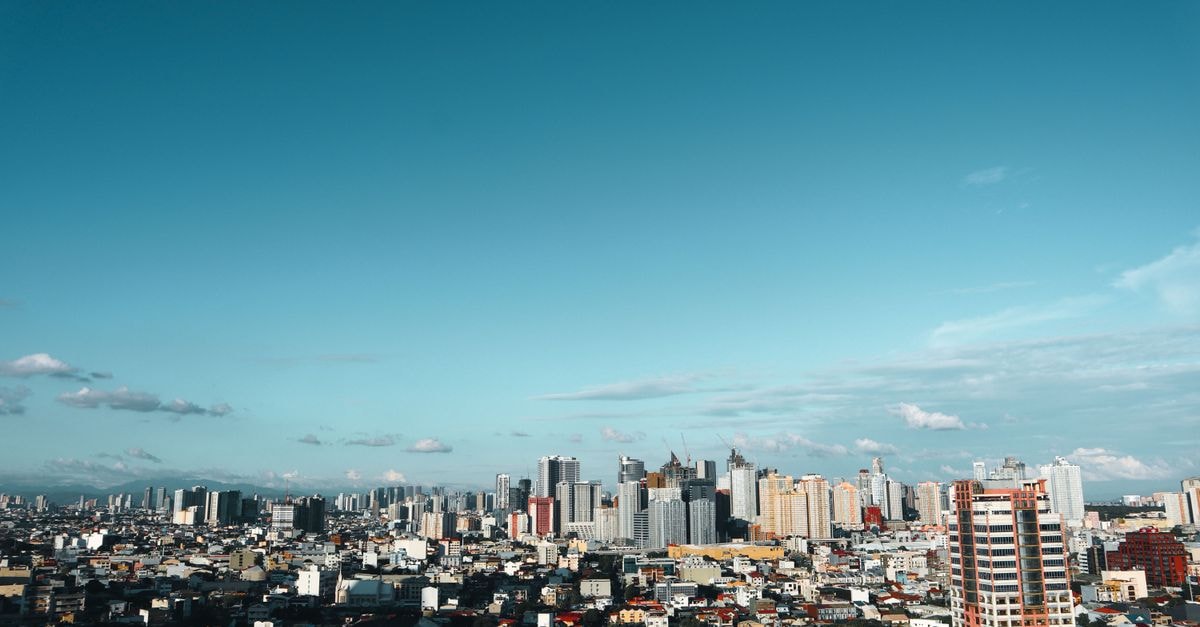
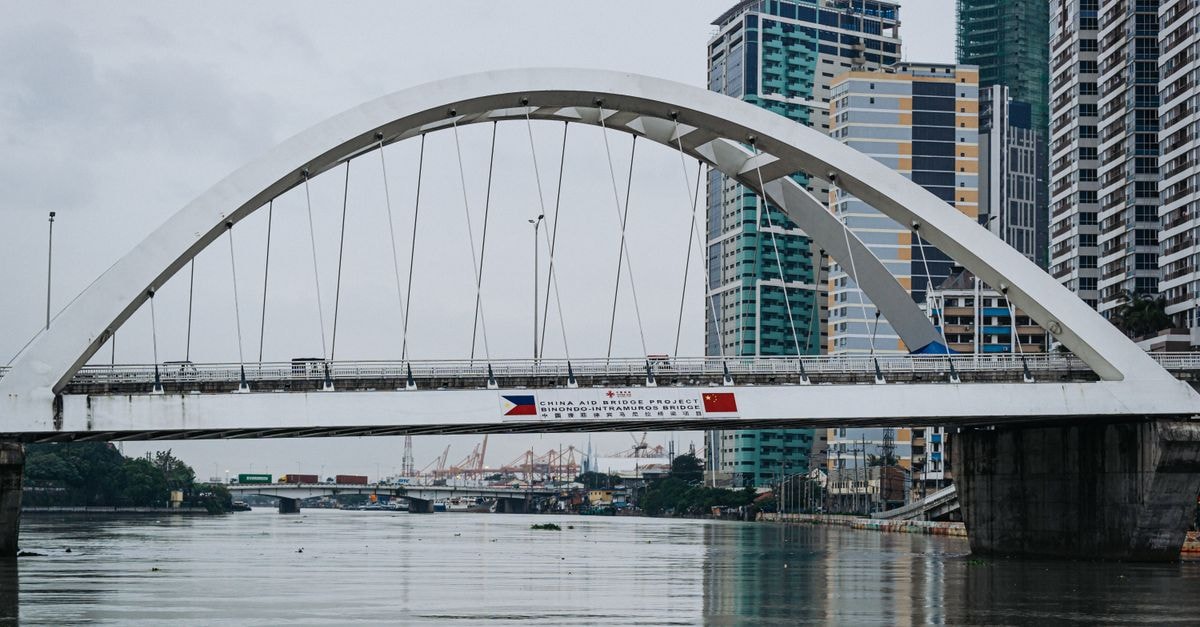
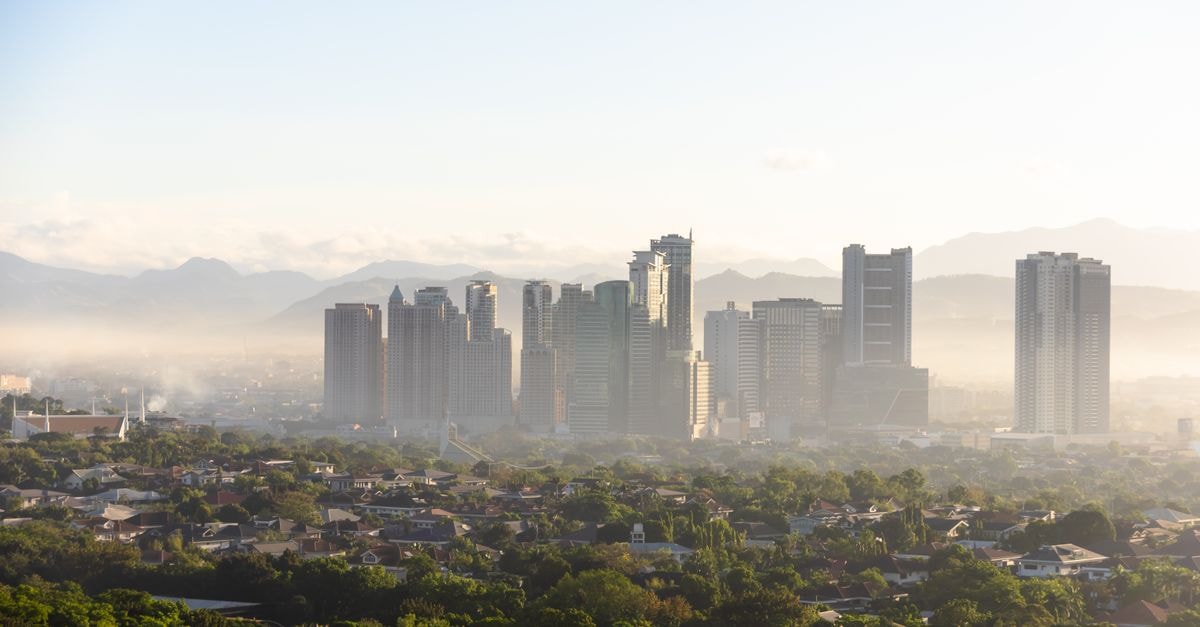
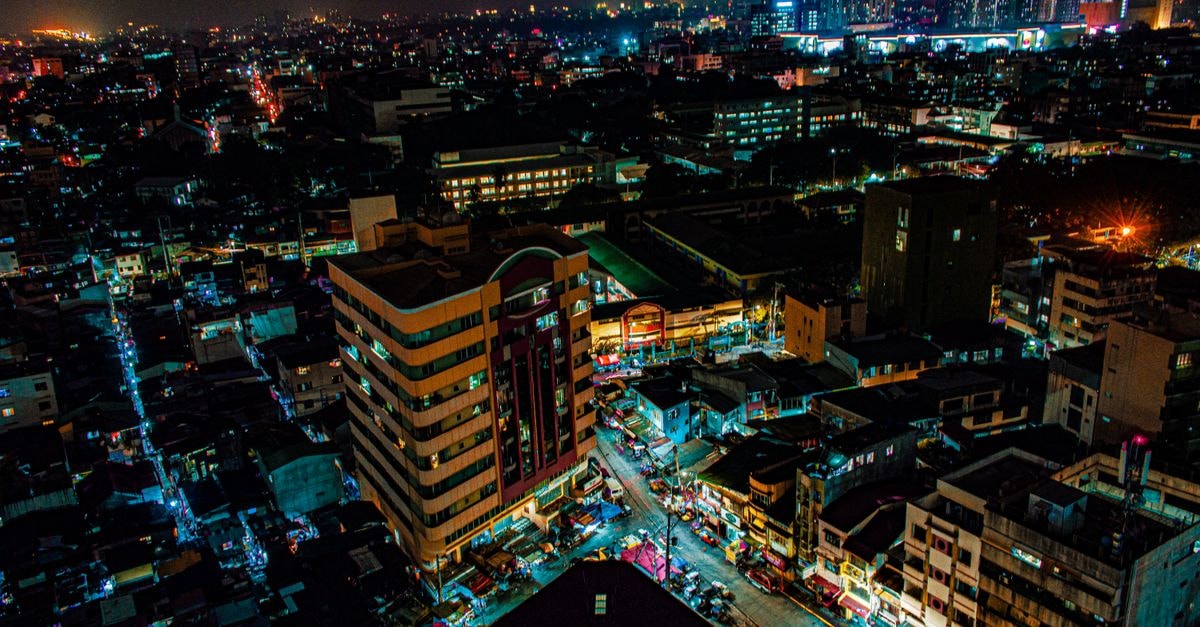
Caloocan sits in the northern stretch of Metro Manila and often appears on the way to somewhere else, rather than as a destination in its own right. That perception undersells the city. Spread across its districts is a quietly significant layer of Philippine history, an early Catholic parish, and a culinary reputation that locals speak about with real warmth. This guide keeps things compact and concrete, leaning on what is verifiable about the city rather than what is assumed about Metro Manila as a whole. If you are planning a visit, treat Caloocan as a city of landmarks and everyday flavor, not a checklist of attractions to rush through.
The practical baseline matters. Caloocan is part of the National Capital Region and connects easily into the wider Metro Manila transport network, which makes it a reasonable add-on for travelers who are already based in the capital. Most visitors pair a half-day here with surrounding plans, which is a comfortable way to appreciate the city without wearing yourself out.
Landmarks and the pull of Monumento
The most recognizable point in Caloocan is Monumento Circle, where the Bonifacio Monument rises as a tribute to Andres Bonifacio and the wider community of heroes connected with the Philippine Revolution. For travelers interested in the country's independence story, this is a meaningful stop. The monument is publicly accessible, central, and visually hard to miss, so it works well as a first reference point before exploring the surrounding streets.
Approaching the monument also gives a sense of how Caloocan moves. The circle is a busy junction, and the rhythm of jeepneys, tricycles, and pedestrians around it is part of the experience. Give yourself a few minutes to absorb the surroundings rather than treating the photo stop as the whole visit.
Heritage stops worth slowing down for
Beyond the monument, two places give Caloocan a deeper historical texture. San Roque Cathedral is recognized as the very first Catholic Church in Caloocan City, which gives it a particular weight for visitors interested in the religious and cultural history of the Philippines. Its parish status and central location make it an easy stop to combine with the Monumento area.
La Loma Cemetery offers a different kind of heritage. It is described as carrying some of the oldest heritage and artifacts for native people in Caloocan, which sets it apart from much of the surrounding city. Visitors who are comfortable in cemetery settings and respectful of local mourning customs often find these sites atmospheric and quietly memorable. As with any active or culturally significant resting place, dress modestly and behave with care.
Together, the Bonifacio Monument, San Roque Cathedral, and La Loma Cemetery form a compact heritage triangle. You do not need a full day for it, but you do want unhurried time at each stop, especially if you enjoy reading inscriptions or simply watching how local life moves around these older landmarks.
Food culture and the everyday table
Caloocan has a rich culinary heritage, with plenty of food and drinks enjoyed by locals and visitors alike. That phrasing from local guides is worth taking seriously: food here is treated as a daily pleasure rather than a curated experience. Eateries cluster around residential neighborhoods, markets, and transport hubs, and the everyday rhythm tends to favor small, casual spots over formal restaurants.
Visitors who lean into that pace tend to enjoy Caloocan most. Trying what is popular with locals, asking which stall has the longest queue, or following the smell of something grilling on a side street usually leads to a better meal than searching for a single headline restaurant. Within the wider Philippines, eating is a social act, meals are often shared, and it is normal for dishes to arrive as they are ready rather than all at once. That nationwide habit is part of what you will likely encounter while dining anywhere in Metro Manila, including Caloocan.
If you are curious about specific dishes, the most reliable approach is to ask locally rather than rely on a fixed list. Tastes and specialties shift across the city's districts, and the people you meet are usually happy to point you toward what they themselves love to eat that week.
Planning notes for an independent visit
A few small, practical considerations make a Caloocan visit smoother. Plan time around the heat of the day, since walking between the monument, the cathedral, and the cemetery involves some distance and exposure. Carry water, keep valuables secure in crowded areas, and use registered transport rather than unmarked options.
Caloocan rewards travelers who treat it as part of the wider Metro Manila fabric. If you are already in Manila for other reasons, weaving in a few hours here adds a layer of Philippine history that is hard to find elsewhere in the capital. If Caloocan is your primary focus, base yourself in the city and use jeepneys, UV Express vans, or short taxi rides to move between districts.
Because this guide is deliberately compact, a sensible approach is to pick two or three of the heritage stops described above and give them real time, rather than trying to pair every site into a single rushed day. Quality of attention tends to matter more here than quantity of stops.
A final verification note
Factual travel conditions can change. Opening hours, transport availability, and access to religious or heritage locations may shift over time, and local guidance should always take priority over any general written description. Before your visit, confirm the latest details through official city or parish channels where relevant, and respect any local rules at sacred or memorial sites.
Prices, opening hours, schedules, reservation rules, and local conditions can change; verify them through official channels before departure.
Share this article
TOOLS FOR THIS PLAN
Make the Caloocan plan measurable
Choose a tool only when it answers the next question in your trip. Your values stay in the browser, and each tool offers a route back to this planning context.