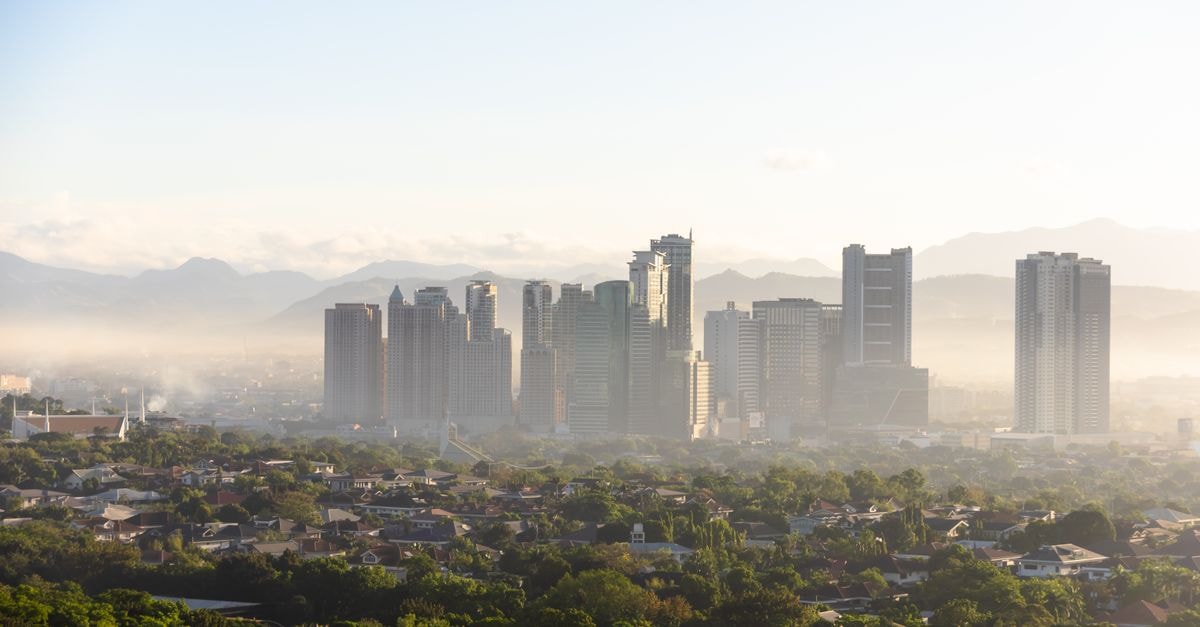
A first look at Pasay

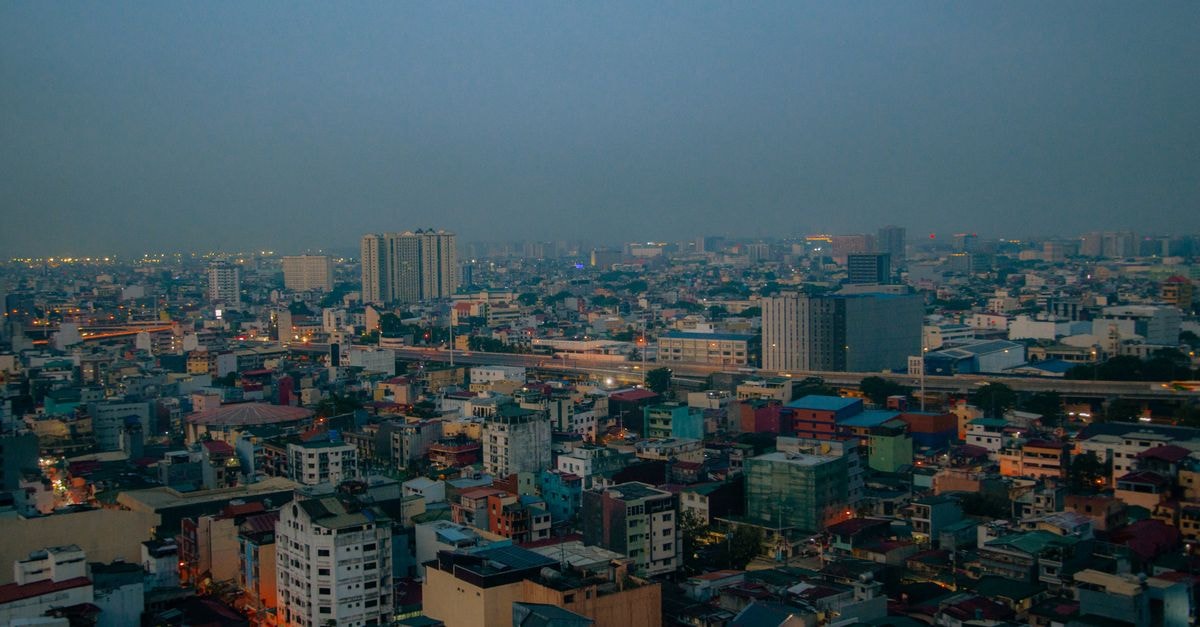
Pasay sits on the western coast of Metro Manila, also called the National Capital Region, so the city is woven into the wider rhythm of the capital rather than standing apart from it. Travelers arriving here find a compact urban landscape where commerce, entertainment, and community life share the same streets. The local government describes Pasay as a destination shaped by cultural landmarks, world-class entertainment, and thriving commercial hubs, with tourism framed as a real part of the city's identity. That mix of retail energy, civic pride, and proximity to the rest of Metro Manila gives visitors a base that feels lively without being isolated.
If you are planning a stop in the National Capital Region and want a neighborhood that connects quickly to both leisure and logistics, Pasay is a natural anchor. The city's own tourism messaging leans into this role, inviting visitors to celebrate the culture and attractions that define it as a tourism and culture hub.
Weather and seasonal context
Pasay's climate generally leans warm and humid for much of the year, and rain is a familiar part of daily life. Travelers often see travel pages reference a sleeveless shirt paired with a rain coat and rain boots as a useful way to think about the climate, which is a reminder that showers can arrive suddenly even when the day starts bright.
Because conditions can shift quickly, it can be worth pacing your day around the weather. Mornings tend to feel more comfortable for outdoor plans, while a sudden downpour is a reasonable cue to duck into a mall, café, or cultural venue until the streets dry out. Packing a light layer that dries quickly and shoes you do not mind getting wet makes moving around the city noticeably easier. The deeper you wander from main roads, the more useful that flexibility becomes.
Getting around
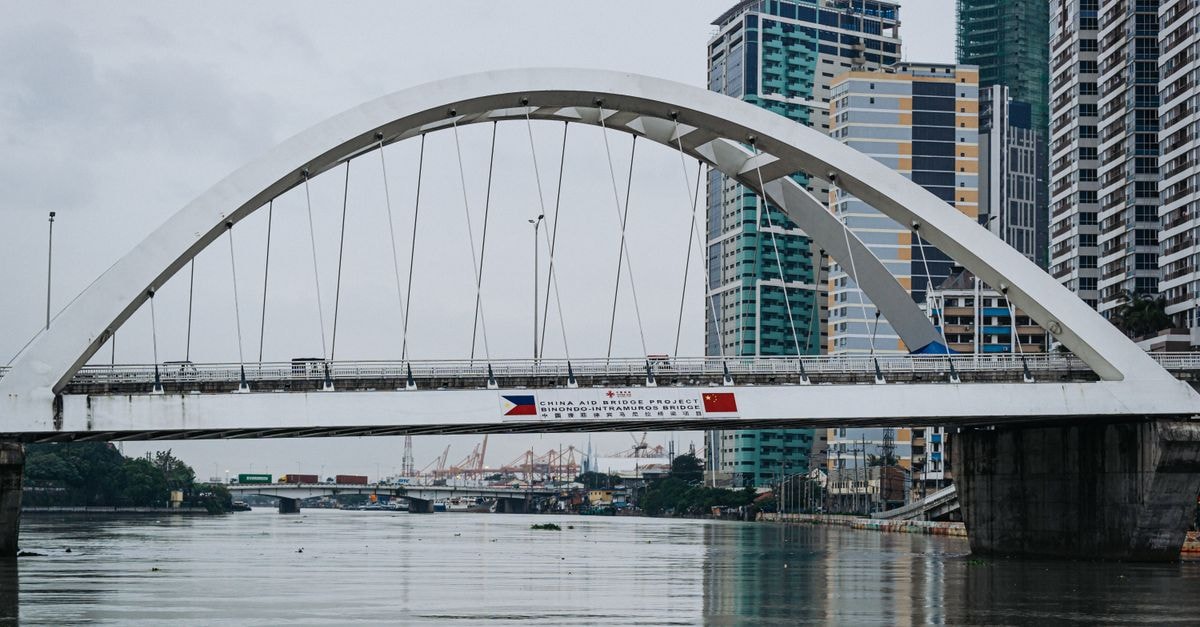
Pasay's position on the western coast of the National Capital Region shapes how visitors move. The city sits inside Metro Manila's broader transport network, so getting in and out is less about a single airport or terminal and more about how the city links to the rest of the capital. Visitors typically pair short local trips, like jeepneys, tricycles, or ride-hailing, with longer connections handled at the metro level.
The commercial side of the city is also part of the transport story. Major retail arrivals are described by the city government as milestones in the local retail landscape, and they tend to cluster around the same corridors travelers use to move through Pasay. That means a shopping stop and a transfer can often happen on the same block, which is convenient if you are juggling luggage or have a few hours between connections.
For travelers who prefer not to drive themselves, ride-hailing apps tend to be a practical default, especially after dark or in unfamiliar pockets of the city. If you are moving between major hubs like malls and entertainment districts, the same ride-hailing pattern that works in other parts of Metro Manila usually applies here.
Attractions and planning
Pasay markets itself as a place of cultural landmarks and entertainment venues, and the city's festival calendar offers a useful lens for planning a visit. Two recurring celebrations stand out. Each October, the city hosts a religious observance marked by candlelit processions, masses, and devout community prayers. Each January, another local festival brings a grand procession of images, religious exhibits, and heartfelt devotion to the streets.
Because these events follow a clear annual rhythm, travelers with flexible dates can think of them as anchors. If your itinerary lines up with one of these celebrations, expect fuller streets, more activity around churches, and a community atmosphere that is worth leaving buffer time for. If your visit falls outside those windows, the city still leans into its identity as a tourism and culture hub, with commercial and entertainment venues carrying much of the visitor traffic.
A useful habit is to ask your hotel or a local contact what is on the week you are visiting. Festival schedules occasionally shift, and smaller civic events can pop up between the big ones. Treating the calendar as a moving target, rather than a fixed checklist, tends to make the trip feel more grounded in the actual city rather than a printed guide.
Food and local context
Pasay sits inside the Philippines, and the country's food culture is famously regional, with each part of the archipelago bringing its own twist to traditional dishes. That diversity shows up in restaurants and food halls all over Metro Manila, including in Pasay, where menus often pull from several regional traditions at once. In the southern Philippines, particularly in Mindanao's southern regions, seafood takes center stage, and you will find that love of fresh fish and shellfish reflected in many Filipino menus.
Two customs are worth knowing before you sit down to eat. Filipino hospitality is widely described as generous and open, with strangers often going out of their way to share food or help a guest feel welcome. Refusing food outright is considered impolite, so if you are offered something, taking at least a small portion is the polite move, even if you are not very hungry. Together, these small gestures shape how meals feel in the Philippines, and they tend to show up in Pasay's dining rooms as well.
Because Pasay sits within Metro Manila rather than in any one culinary region, visitors can treat the city as a tasting room for the wider country. Sampling a regional dish you have not tried before, especially seafood, can be one of the easier ways to feel the breadth of Filipino food culture without leaving the city.
Choosing what fits your trip
A few tradeoffs are worth thinking through before you lock in plans. If your main interest is festival culture and you can shift dates, the October religious observance or the January devotional festival give the city a focused, community energy that is hard to manufacture on a regular week. If your interest leans toward retail, entertainment, and easy connections across Metro Manila, the commercial corridors around the city's major retail landmarks are a natural base, and they pair well with ride-hailing and metro-level transit. If food is the priority, treating Pasay as a doorway to the wider Philippine regional table, with extra curiosity about seafood dishes from the southern islands, can turn a short stay into a small culinary tour.
A quick note before you go
Travel conditions in any city can shift quickly, and Pasay is no exception. Festival dates, retail hours, and transport patterns are worth confirming through official channels or your accommodation shortly before you arrive. Treat this guide as a starting point for the kind of trip you want to shape, and let the live details fill in the rest.
Share this article
TOOLS FOR THIS PLAN
Make the Pasay plan measurable
Choose a tool only when it answers the next question in your trip. Your values stay in the browser, and each tool offers a route back to this planning context.