A quiet river town on Angola's Kwanza

This guide keeps things simple and grounded. The Kwanza boat experience is the clearest anchor for a visit, and Angolan food culture is the wider context you may well encounter during your time in the country. Weather is treated as long-term climate pattern rather than a daily forecast, so the advice here stays useful across visits rather than tied to a single week.
Weather and seasonal context
Calumbo sits within a climate zone where travelers can expect a warm tropical rhythm across the year. Long-term climate and weather datasets for the area describe typical patterns in temperature, precipitation, sunshine, and wind, which gives a useful baseline for how a day here tends to feel.
Because this is an evergreen guide, the most honest framing is to think in seasons rather than a specific calendar date. Conditions can feel noticeably humid, and the pace of the day often softens around the warmest hours. Travelers who prefer to be on the water in cooler light may want to plan excursions for the morning, while afternoons are better saved for shaded meals or a slower indoor rhythm. Always check a current forecast close to your travel date, since tropical weather can shift quickly and a long-term pattern is only a guide, not a guarantee.
Getting around
A standard published structure for the Kwanza boat day in Calumbo includes lunch at midday at Restaurante Chilala, followed by a farewell and the end of the excursion in the mid-afternoon. That single, evidence-based rhythm is enough to plan around: arrive in the morning, enjoy the river through the cooler hours, and finish with a relaxed meal. Travelers who dislike long, structured days may find the format easier to pace than a busy urban itinerary, while those who prefer maximum flexibility should confirm exact meeting points, durations, and pickup logistics directly with the operator before booking, since the public record here does not spell out those logistics in detail.
Outside the river experience, this guide deliberately avoids inventing transport routes, timetables, or distances that the evidence does not support. Calumbo's position within Bengo Province is part of its character, and exploring the surrounding area is best planned with up-to-date local information rather than assumptions.
Food and local context
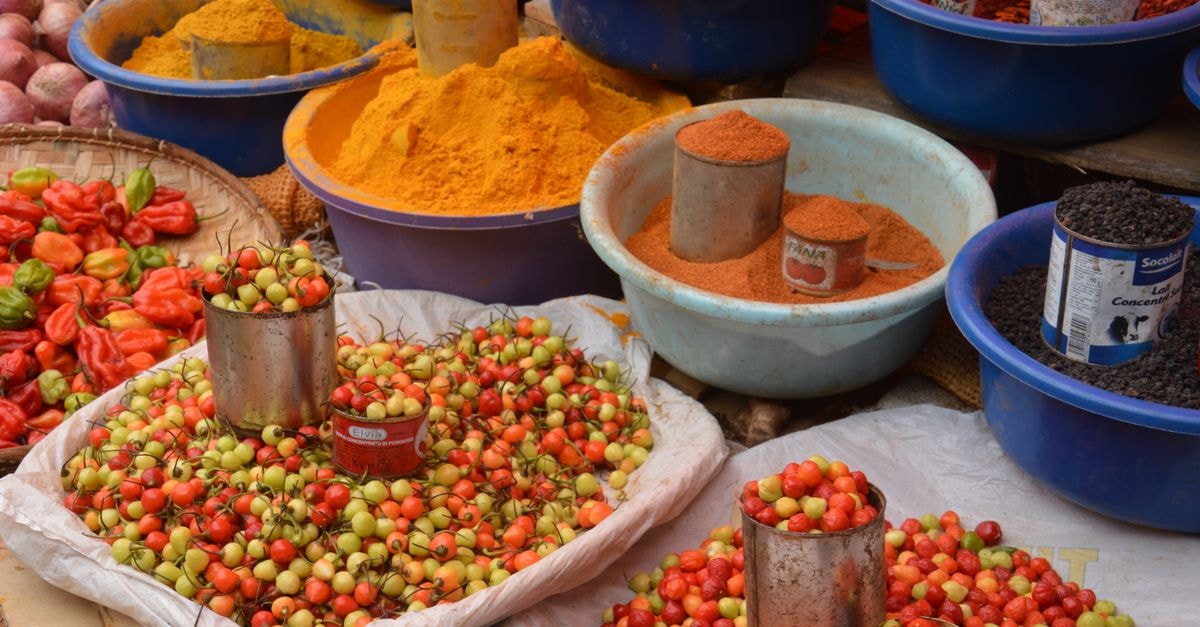
There is no city-specific food evidence in the source material for Calumbo, so the most responsible framing is to treat Angolan cuisine as wider country context that visitors may encounter during their stay, including meals taken at venues like Restaurante Chilala that appear in documented Calumbo itineraries. Two traditions stand out as background worth knowing.
The first is **muamba de galinha**, a slow-cooked chicken stew that is widely recognized as part of Angola's culinary heritage. The dish is known for its molten-brick color, built on palm oil that shimmers under the surface, with chili heat and okra giving it a distinctive stretchy texture that has become a kind of edible signature for the country. It is the sort of warming, deeply seasoned dish that fits naturally after a humid morning on the river.
The second is **funge**, a manioc-flour staple that quietly anchors many Angolan plates. Funge appears across the cuisine in different forms and is less a single recipe than a reliable, filling base that turns a bowl of stew or sauce into a satisfying meal. Travelers who are curious about Angolan food but cautious about unfamiliar textures often find funge a useful starting point because it is so central that it tends to appear in many classic combinations.
Because Calumbo does not have its own documented specialty dishes in the evidence here, it is worth resisting the temptation to treat national dishes as Calumbo-specific. A short verification step before the trip, asking your accommodation or tour operator which Angolan dishes are typically served at the venue you plan to visit, can help you plan without overpromising yourself a particular local menu.
Choosing what fits the trip
For a Calumbo visit shaped around the Kwanza River, the tradeoffs are gentle but real. The documented boat excursion is wildlife-led and slow-paced, with a midday meal and an early-afternoon end, which suits travelers who enjoy nature observation, soft timelines, and a single anchor activity rather than a packed schedule. If you prefer urban sightseeing, dense cultural stops, or self-driven exploration, you may find Calumbo too quiet, since the evidence here points to a river-centered experience rather than a busy town circuit. Confirm the boat operator's meeting point, group size, and inclusions before booking, and check current weather close to your travel date, so the calm river day you imagine is the one that actually unfolds.
A short verification note
Travel conditions in Angola can shift, and river-based activities in particular depend on water levels, weather windows, and operator schedules. Before departure, confirm current boat tour availability, meeting points and timings, payment methods accepted on the day, and any seasonal advisories with your tour provider or accommodation. Check a live forecast for Calumbo close to your visit, and treat long-term climate patterns as a general guide rather than a daily promise. Where this article has relied on national Angolan food context rather than a Calumbo-specific source, verify directly with the venue which dishes will be available on the day of your visit.
Prices, opening hours, schedules, reservation rules, and local conditions can change; verify them through official channels before departure.
Share this article
TOOLS FOR THIS PLAN
Make the Calumbo plan measurable
Choose a tool only when it answers the next question in your trip. Your values stay in the browser, and each tool offers a route back to this planning context.