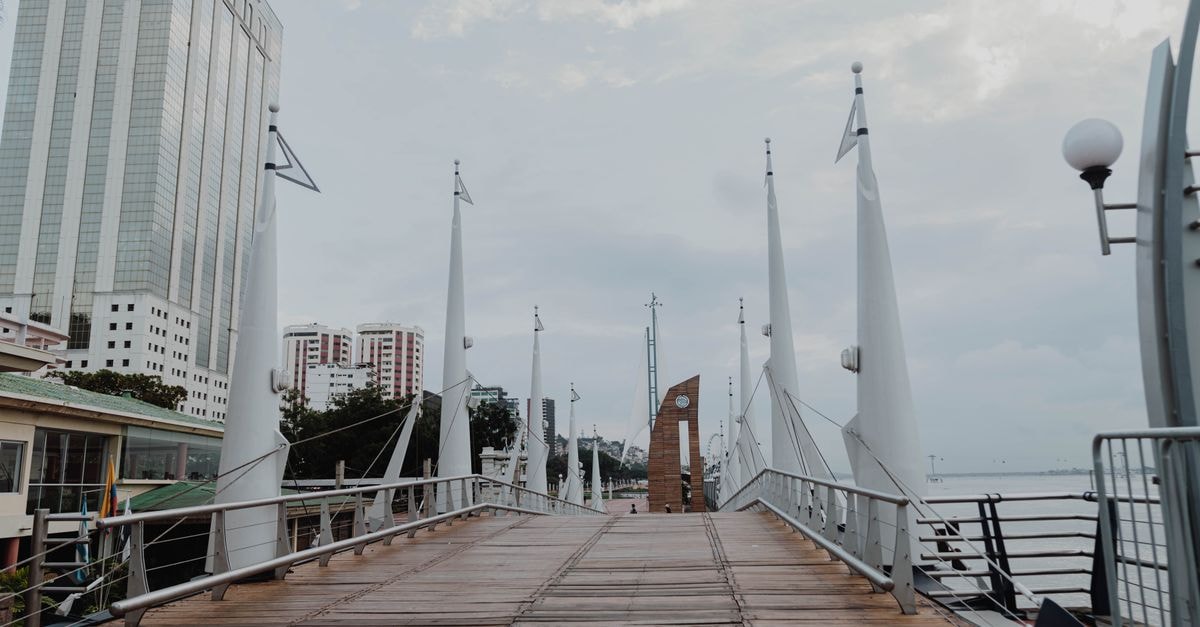
A quiet district within Luanda

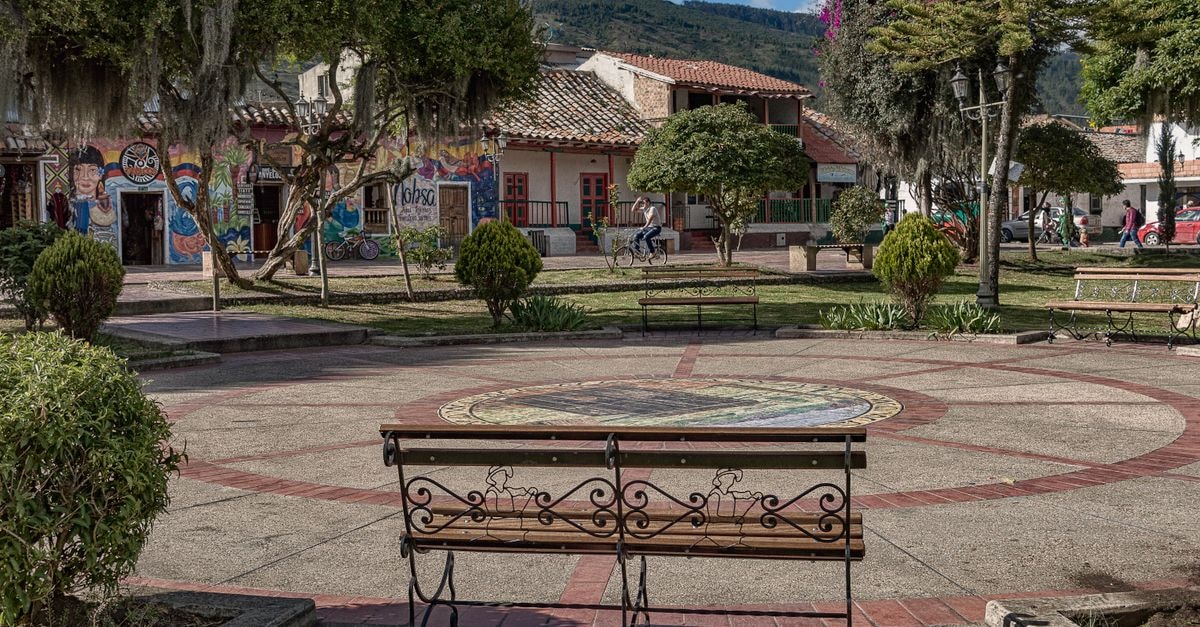
Golfe sits inside the Luanda metropolitan area as a district, or *Distrito Urbano*, of the municipality of Kilamba Kiaxi, giving it a more residential, settled feel within the wider Angolan capital region. The district is made up of two planned settlements, Golfe I and Golfe II, which date back to the mid-1970s. That mid-century origin shapes how the streets feel today: a grid of housing blocks laid out in a specific development moment, rather than the organic tangle of older quarters. For travelers, the practical takeaway is that Golfe reads less like a sightseeing hotspot and more like a calm base from which to experience Luanda life at a gentler pace.
Visitors drawn to the lived-in, neighborhood-side of a capital may find Golfe a refreshing change of tempo from busier central districts. If you prefer wandering through residential streets, watching everyday routines unfold, and dipping into the broader city by road rather than on foot from a downtown hotel, this corner of Kilamba Kiaxi may suit you well.
Weather and seasonal context
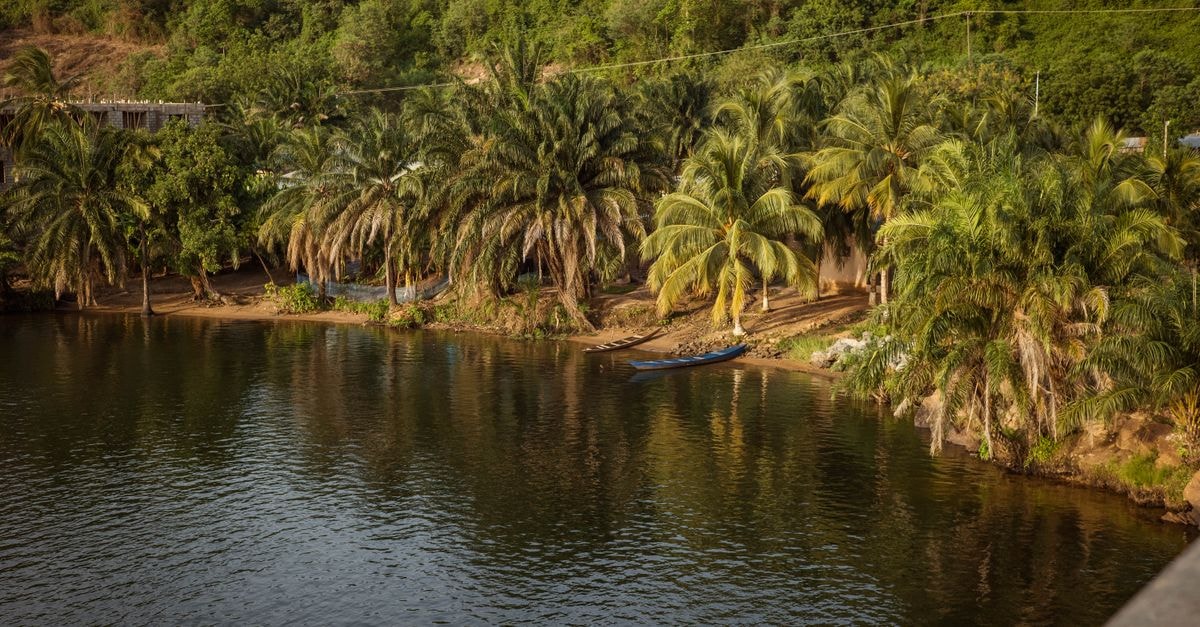
Golfe has a tropical wet and dry, or savanna, climate (classified as Aw) in the Luanda area. That classification matters more than any single temperature reading, because it tells visitors what to pack for and how to pace the day. In a savanna climate, the year typically splits into a warmer, wetter stretch and a drier, slightly cooler stretch, with humidity lingering along the coast. Lightweight, breathable clothing, sunscreen, and a compact umbrella or light rain layer are sensible staples. Outdoor sightseeing tends to feel most comfortable in the early morning and late afternoon, when the sun is lower and streets come alive with local routines.
If you prefer milder conditions for walking and outdoor photography, the cooler, drier months of a savanna climate often feel easier on the body than the hottest, most humid weeks. Travelers who dislike high humidity may want to plan heavy outdoor activities, like long neighborhood walks or market visits, for the cooler hours of the day.
Getting around
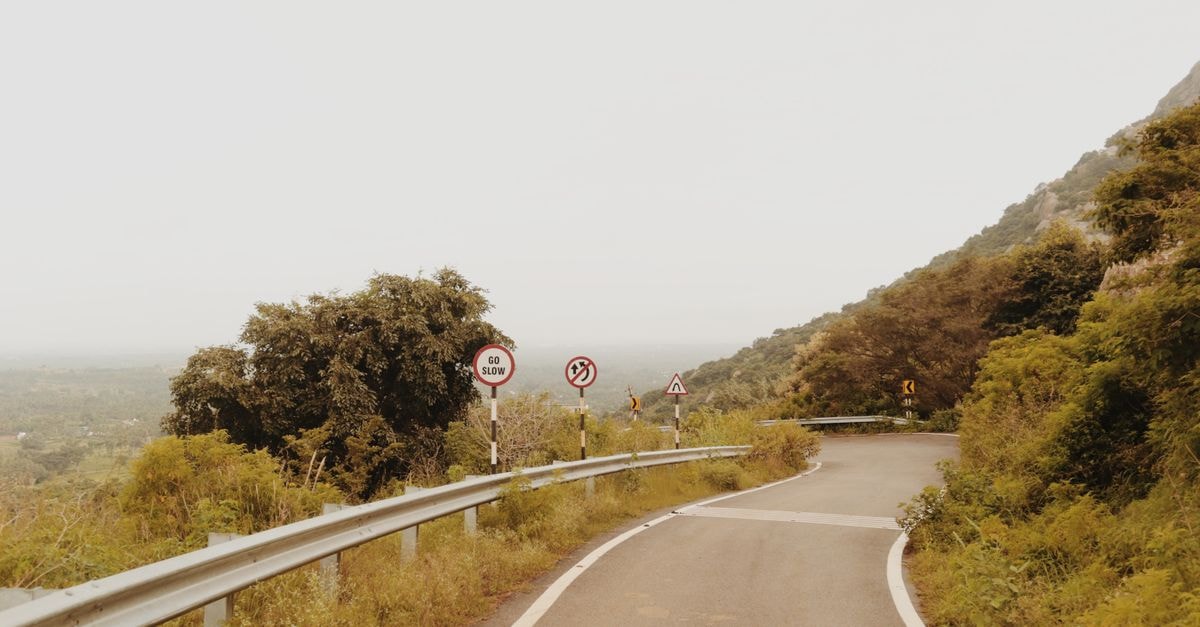
Golfe functions as a district of Kilamba Kiaxi within the larger Luanda metropolitan area, so its streets connect directly into the capital's road network. Because it is a residential district built around two planned settlements from the mid-1970s, movement within Golfe tends to be straightforward: a contained street pattern that is easier to navigate on foot or by short taxi rides than the older, denser parts of central Luanda. Travel between Golfe and other parts of the metropolitan area is typically handled by car or taxi, which suits visitors who prefer a settled neighborhood base rather than a constant shuffle between hotels.
If you prefer to base yourself in a quieter, planned neighborhood and travel out for meals, meetings, or sightseeing elsewhere in Luanda, Golfe may suit that rhythm. Visitors who thrive on walking everywhere from their door may want to think about how often they will be heading out of the district, since many of Luanda's main draws sit outside Kilamba Kiaxi.
Food and local context
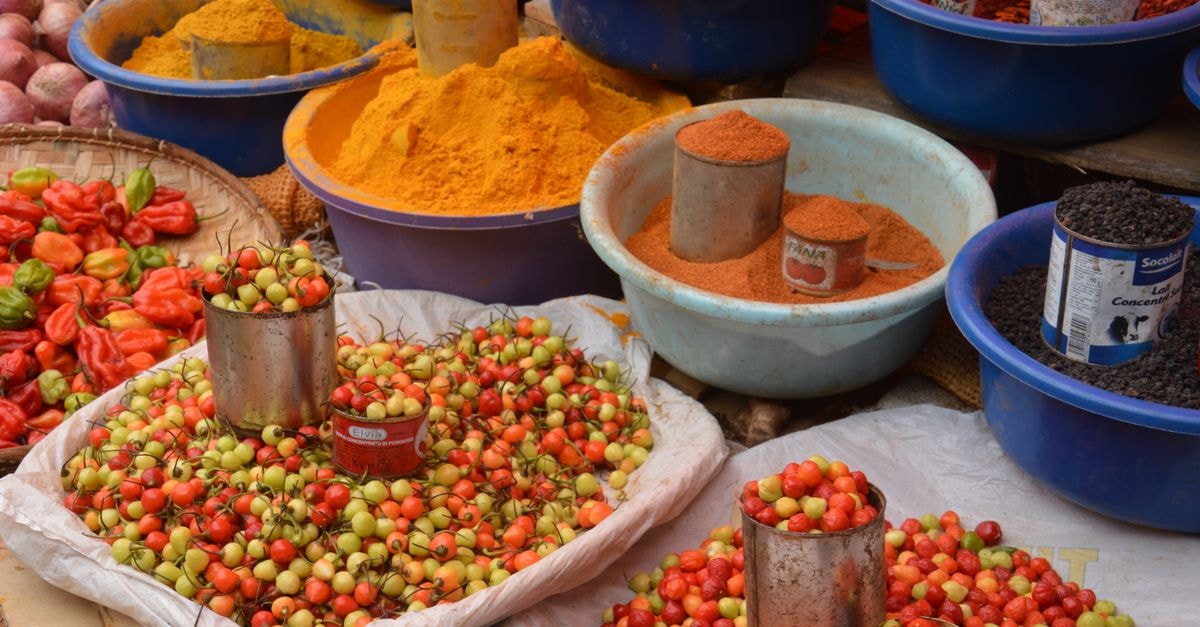
Golfe itself is a residential district rather than a culinary destination, so the most useful framing for a visitor is the wider Angolan table you are likely to encounter while spending time in the Luanda region. Two threads define that table, and both are worth recognizing before you sit down to eat.
The first is the stew tradition. One of the country's signature dishes is muamba de galinha, a chicken stew that arrives a deep, brick-red color, with palm oil shimmering across the surface and strands of okra that stretch like melted cheese. It is typically served with a generous helping of starch on the side and eaten slowly, communally. If you prefer deeply flavored, slow-cooked dishes with a bit of heat and a satisfying, silky texture, this style of cooking tends to satisfy.
The second thread is funge, a manioc-flour preparation that acts as a staple starch across much of Angolan cuisine. Funge shows up alongside stews, grilled fish, and bean dishes, and it is what turns a plate of sauce or stew into a full meal. Travelers unfamiliar with cassava-based staples may want to try it once early in the trip; once you understand how it works as a base, the rest of the menu becomes easier to read.
Together, these two elements, slow-simmered stews and a manioc-flour staple, shape the rhythm of an Angolan meal and give visitors a useful mental menu before exploring restaurants, family kitchens, or casual eateries around the Luanda area.
Choosing what fits your trip
Golfe's strongest travel personality is residential and unhurried, which opens up two clear ways to use it. Visitors who want a calmer base inside the Luanda metropolitan area, with easy road access to the wider capital, often do well settling into Golfe and traveling out for sights and meals. Travelers more interested in the food culture of Angola than in specific restaurant rankings may find the most rewarding approach is to learn the two nationwide staples, muamba de galinha and funge, and order them wherever they look familiar on a menu, rather than chasing a specific venue. For anyone sensitive to humidity, scheduling outdoor time for the cooler parts of the day is the simplest way to keep the trip comfortable.
A quick note before you go
Travel conditions in and around Luanda can change over time, so it is worth checking current advisories, transport options, and local guidance through official channels before departure. This guide reflects general, durable facts about Golfe and Angolan food culture rather than live operating details.
Share this article
TOOLS FOR THIS PLAN
Make the Golfe plan measurable
Choose a tool only when it answers the next question in your trip. Your values stay in the browser, and each tool offers a route back to this planning context.