A first impression of Camagüey

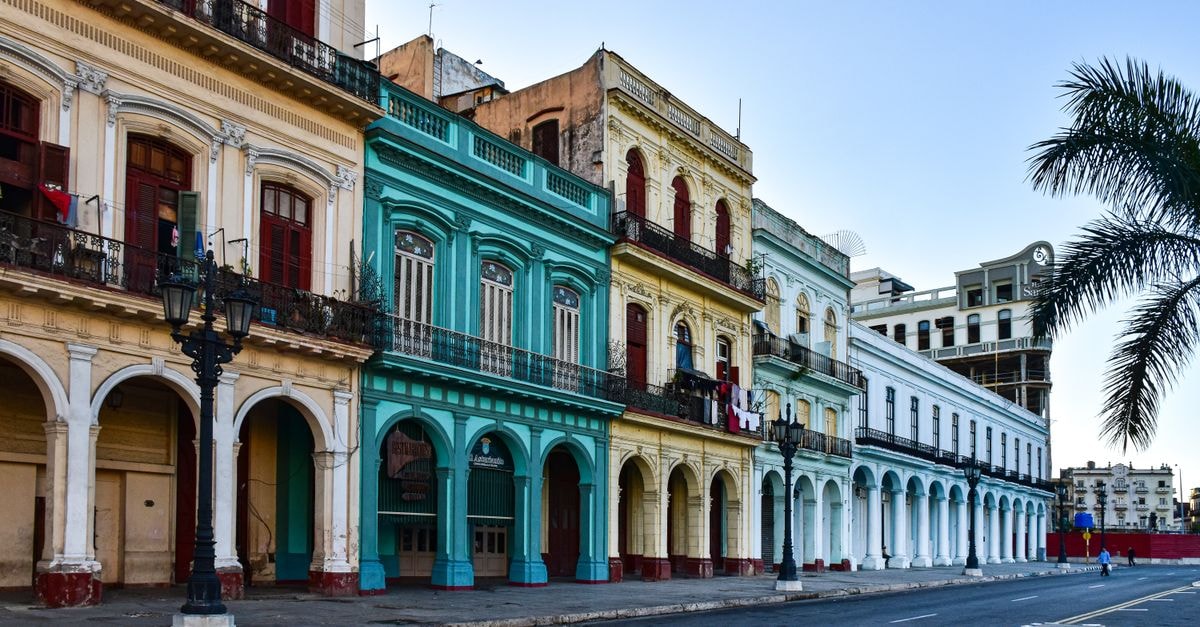
There is a particular kind of quiet pleasure in arriving in a city that still feels shaped by its own history, and Camagüey offers exactly that. Set in the heart of Cuba, this is a place where colonial architecture is not a single preserved block but a sprawling, lived-in center, where churches punctuate irregular plazas and streets twist in the famously unplanned layout that once confused even its own founders. Visitors often find themselves slowing down almost without noticing, drawn from one shaded corner to the next by the weight of stone, the color of worn paint, and the smell of something simmering indoors at lunchtime.
What makes Camagüey especially rewarding for travelers is the way its heritage and its everyday rhythms sit so close together. The same buildings that carry centuries of religious and civic memory still host daily life, and the city's culinary culture is woven into that same fabric. A guide to Camagüey, then, is really a guide to two intertwined pleasures: looking, and tasting.
Attractions and planning
For most travelers, the architecture itself is the headline act. Camagüey's religious buildings are some of its most striking landmarks, and they tell the city's story in stone and plaster.
The **Cathedral of the Sacred Heart of Jesus** stands out as the most unique structure in Camagüey, set apart by its architecture, its monumentality, and its importance to the city's religious heritage. It is the kind of building that rewards both a quick admiring glance from across a plaza and a slower, closer look at its detailing. Visitors who are short on time often find that even a brief stop here captures something essential about the city.
Beyond the cathedral, Camagüey's other churches are reason enough to keep walking. The **Iglesia de Nuestra Señora de la Merced**, dating from 1748, is widely considered the city's most magnificent colonial church. Its scale, its proportions, and the elegance of its façade make it a natural pause point on any wander through the historic core. Travelers interested in sacred architecture will find it especially rewarding.
Because the historic center is unusually compact in its major landmarks yet generous in atmosphere, the most enjoyable way to approach it is simply on foot, allowing the irregular streets to lead you from one church or plaza to the next rather than trying to tick items off a strict route. Give yourself margin to linger.
Food and local context
Camagüey's identity as a city is inseparable from the way its people cook and eat. The city is known not only for its colonial architecture but also for its exquisite traditional dishes, and food here tends to feel like an extension of the place itself rather than a separate activity.
What gives Camagüey its distinctive culinary character is more than recipes. One of the most distinctive elements of the city's culinary culture is the presence of **tinajones** — large clay jars historically used to collect rainwater. These vessels are woven into local life in ways that visitors may notice without necessarily being able to name at first, from the kitchen tables where water is served to the courtyards where the jars themselves still stand. They are a quiet but powerful visual marker of place.
Beyond its own culinary traditions, Camagüey sits within a wider Cuban food culture that visitors will encounter in many forms. The most traditional staple is Taíno cassava bread, made from the yuca plant that has been grown in the western hemisphere for thousands of years. This bread is a thread that connects the present to the island's indigenous roots, and travelers in Camagüey may come across it in markets and on tables. The Spanish legacy, meanwhile, can be savored in dishes such as seafood paella, a comforting reminder of centuries of cultural exchange. And for a sweet, distinctly local finish, the mamey fruit offers a tropical flavor with deep indigenous origins. None of these belong exclusively to Camagüey, but encountering any of them while in the city adds a satisfying layer to the experience.
For travelers, the practical takeaway is simple: approach food in Camagüey the same way you approach the architecture — with curiosity and patience. Eat where locals eat, ask what is being cooked, and let the tinajones and the cassava bread and the slow-cooked pots remind you that you are in a city with a memory.
A note on planning and verification
Travel conditions in Cuba, including opening hours for churches, restaurant availability, and access to local services, can change. Before traveling, it is wise to confirm the latest practical details through official channels and current local guidance. Currency exchange rates fluctuate and should always be checked on the day; any figure quoted in advance is a reference only, not a guarantee. What does not change is the character of the place itself: the stone of the cathedral, the elegance of La Merced, the clay of the tinajones, and the warmth of a table set with cassava bread or a slice of mamey.
That combination — a colonial city that lives in its own past while still feeding its residents today — is what makes Camagüey worth the journey.
Share this article
TOOLS FOR THIS PLAN
Make the Camagüey plan measurable
Choose a tool only when it answers the next question in your trip. Your values stay in the browser, and each tool offers a route back to this planning context.