Destination overview

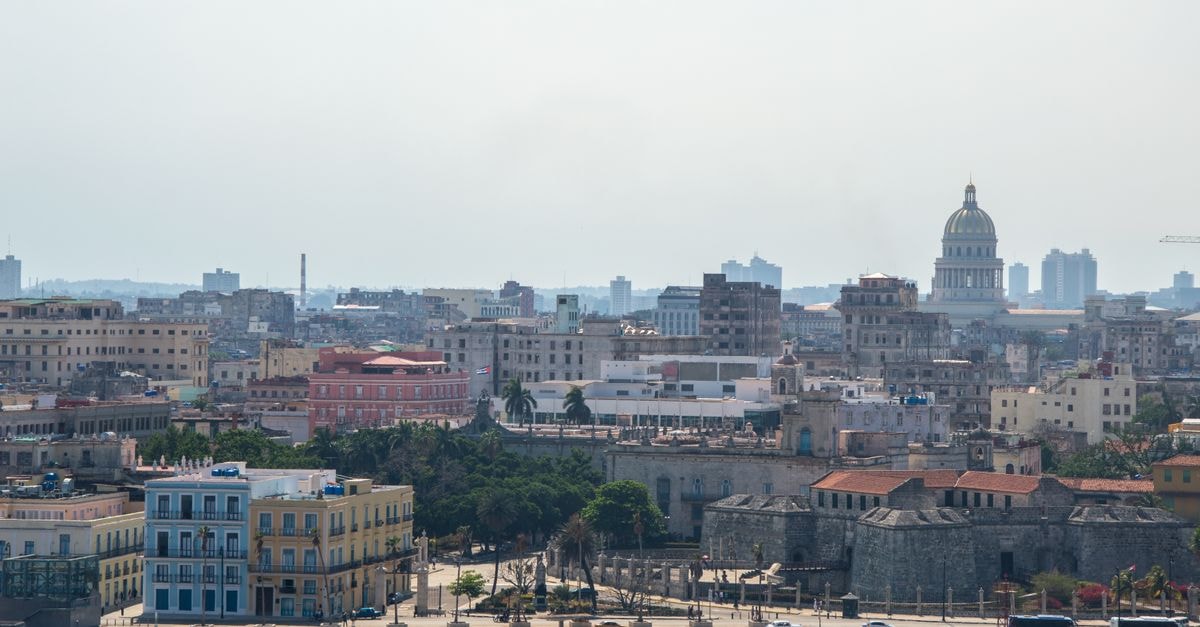
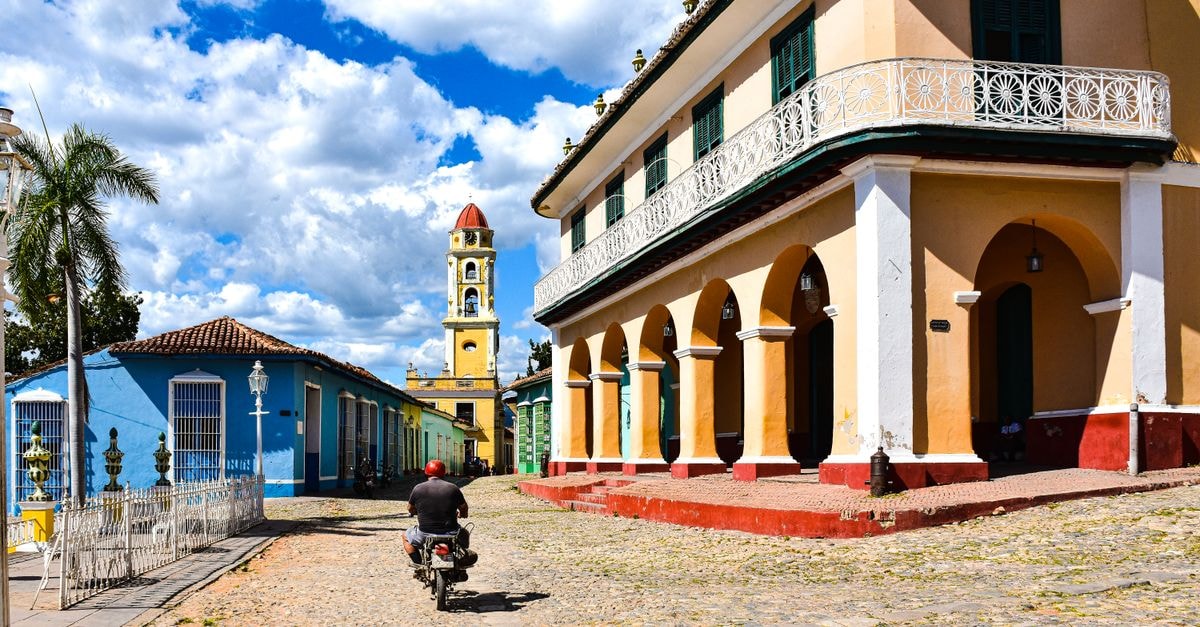
Cienfuegos sits on Cuba's southern coast roughly midway between Havana and Trinidad, and it wears a quiet, sun-warmed personality that feels distinct from Cuba's more crowded hubs. The city is sometimes called the Pearl of the South, a nickname that hints at the way the bay catches the light and the elegant waterfront unfolds. What makes Cienfuegos genuinely unusual in a Cuban context is its French colonial inheritance: where most Cuban cities follow Spanish urban conventions, Cienfuegos was laid out by French settlers in 1819 on a measured grid plan with a central boulevard, the Paseo del Prado, that mirrors the Parisian boulevard tradition. That unusual geometry is something you notice on foot rather than on a map, and it shapes how the city feels to walk through.
This guide focuses on the durable elements of a Cienfuegos stay: how the city is laid out, what the wider Cuban table looks like for visitors, and a handful of anchor experiences that can frame a visit without depending on short-term openings or schedules.
Weather and seasonal context
Cuba's southern coast carries a warm, humid climate year-round, and Cienfuegos shares that tropical rhythm with the rest of the country's southern shoreline. The city's botanical and waterfront experiences tend to unfold outdoors, so pacing your day around the brightest, hottest hours is a gentle idea rather than a strict rule. Mornings and late afternoons are typically the most comfortable windows for unhurried walks along the central boulevard, while the middle of the day can feel heavy under direct sun.
Two experiences consistently come up as anchors for any Cienfuegos stay. The Jardín Botánico de Cienfuegos is one of Cuba's oldest botanical gardens, with sprawling collections of palms, bamboo and tropical trees east of the city; it rewards slow looking rather than a quick loop, and shaded paths make it a comfortable place to linger. In the early evening, the waterfront along Punta Gorda is the kind of place where the city softens: the bay reflects the last light, and the hum of the neighbourhood feels local rather than staged. Together, the botanical garden and the bay give a visit a clear shape, with greener hours inland and golden-hour atmosphere at the water.
There is no need to build a strict schedule around either anchor. Let the garden be a slow morning, and let the Punta Gorda waterfront be the way you ease into an evening.
Getting around and exploring on foot
Cienfuegos is, at heart, a walking city. The unusually orderly grid plan laid out in 1819, with the Paseo del Prado as its central spine, makes the centre unusually legible: streets run at right angles, the boulevard cuts a clean line through the middle, and the waterfront is close enough that most key experiences can be reached on foot. The unusual geometry is itself part of the sightseeing, and it makes Cienfuegos a friendlier place to navigate than many larger Cuban cities.
Two cross-cutting notes worth carrying with you:
- A rooftop dinner at Palacio de Valle is worth treating as one splurge meal even if you are not staying at the hotel. - If you are travelling with children, Club Amigo Rancho Luna at Rancho Luna Beach is built around family stays; it is a different sort of base from a city-centre hotel.
Beyond those, Cienfuegos rewards slow movement. Walking the length of the Paseo del Prado, drifting toward the bay, and stepping into the quieter residential blocks around Punta Gorda will give you a layered sense of the city that no single attraction captures on its own.
Food and local context
Cienfuegos sits within a wider Cuban food culture, and the dishes visitors are likely to encounter reflect that broader tradition rather than a single city-specific cuisine. A few nationwide staples are worth knowing about so the table feels familiar when it appears in a paladar or a family-run restaurant.
- **Cassava bread from the yuca plant** is one of Cuba's most traditional staples. It is rooted in Taíno foodways and has been made across the western hemisphere for thousands of years, so it is common at markets and as an accompaniment on restaurant tables. - **Seafood paellas** carry the Spanish legacy that runs through Cuban cooking. Expect generous, rice-based plates that show up across the country, with regional seafood variations. - **Mamey (sometimes written mamee)** is a sweet fruit that connects the table to Cuba's indigenous past and that shows up in juices, ice creams and desserts.
These are the kinds of dishes and ingredients a traveller may come across while in Cienfuegos, even though they are best understood as part of the wider Cuban table. Rather than chasing a checklist, treat meals as a way to read the country's layered history through what is served at the table.
Practical notes and verification
Cienfuegos is a city that rewards travellers who keep plans loose and movements slow. The grid makes it easy to walk between anchor experiences, the bay gives the city its evening atmosphere, and the botanical garden gives it a green counterweight to the waterfront. Travelling with children or looking for a splurge dinner both have clear answers in the Palacio de Valle and Rancho Luna options, but the rest of a Cienfuegos stay is best built around walking, the boulevard, and the food traditions you encounter along the way.
Travel conditions, opening arrangements, transport options and prices can change at any time, and the same is true for any future shifts in Cuban travel policy. Before you go, check official channels and your accommodation for the most current information on opening hours, transport availability, payment norms and any documentation requirements, and treat the notes above as a starting frame rather than a final answer.
> *A short note for readers: this guide is built from approved reference material and does not rely on personal travel experience. Factual details about Cienfuegos can change; official sources should be your final check before departure.*
Share this article
TOOLS FOR THIS PLAN
Make the Cienfuegos plan measurable
Choose a tool only when it answers the next question in your trip. Your values stay in the browser, and each tool offers a route back to this planning context.