A short introduction to Camayenne

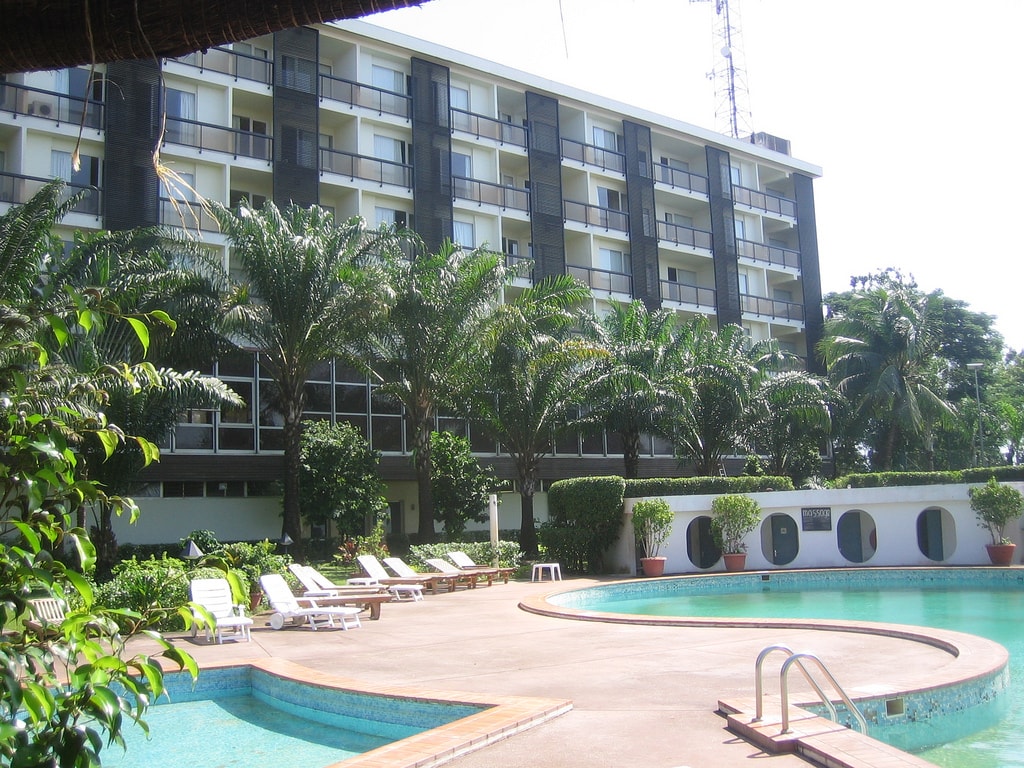
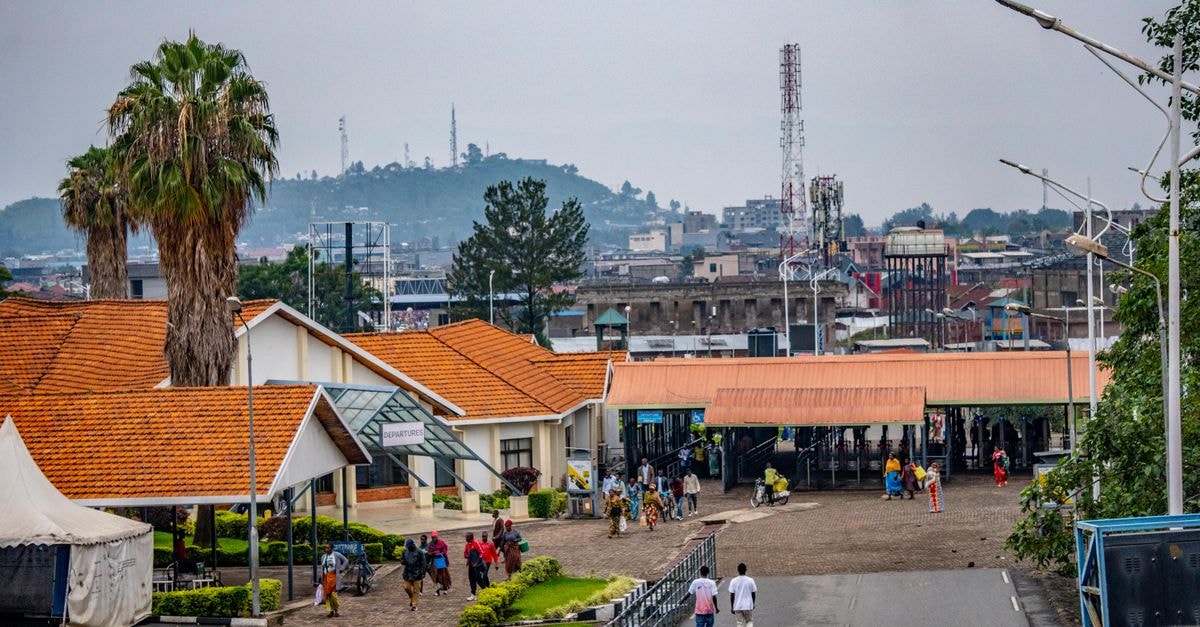
Camayenne sits on the Conakry peninsula as one of those quiet surprises a traveler sometimes discovers without quite planning to. The neighborhood reads like a hybrid place: a stretch of shoreline where the day tends to slow, stitched together with a working urban village rhythm. Travelers who like destinations that blend sand, everyday street life, and the hum of a West African capital usually find Camayenne appealing for that exact mix. There is no single showpiece moment here. Instead, the pleasure is in pacing yourself, letting the sea breeze set the tempo, and watching a coastal pocket of Guinea reveal itself in layers.
For visitors building a wider Conakry trip, Camayenne works well as an anchoring base. The area carries the texture of a real residential district, which is part of what makes a stay feel less packaged and more lived in. If you appreciate a destination that asks you to slow down and look around rather than rush between famous landmarks, this corner of Conakry fits the brief.
Weather and seasonal context
Camayenne sits in a coastal West African climate, and the experience of a day here tends to be shaped more by humidity, breeze, and shade than by dramatic temperature swings. Reanalysis climate datasets for the area are drawn from gridded weather data centered on the Camayenne region, which is why general climate context can be useful for travelers planning what to pack and how to pace the day.
In practical terms, this often translates to warm conditions with a coastal feel, periods of cloud cover, and the kind of soft tropical light that makes morning and late afternoon the most comfortable windows for being outside. Travelers who pace their sightseeing for earlier and later parts of the day tend to enjoy the destination more, simply because the heat feels most generous around those hours. Lightweight clothing, sunscreen, and a reusable water bottle are sensible companions.
Because conditions can vary and the climate here tends to feel humid for stretches of the year, it is worth treating any weather impression as a general guide rather than a fixed forecast. Treat the weather section as an orientation, not a daily plan, and check a current forecast closer to departure for the conditions that actually apply to your visit.
Getting around
Camayenne is a neighborhood where your feet, a ride-hailing app, and the occasional short motorbike or taxi ride tend to cover most of what you need. Some commercial zones within Camayenne are genuinely walkable, which is one of the underrated pleasures of staying in the area. A slow stroll through those pockets gives a more textured sense of the district than any rushed itinerary would.
For longer crossings, ride-hailing apps are widely considered the most predictable service option in Camayenne, offering visitors a way to move between neighborhoods, the broader Conakry area, and the coastline without relying solely on hailing a street taxi. Drivers are usually familiar with Camayenne's main arteries and the adjacent seafront, which makes request-based rides a comfortable default.
A practical rhythm that tends to work well is to walk the walkable pockets during the cooler parts of the day, then use an app-based ride for evening trips or when heading to a stretch of beach that sits a little further along the peninsula. Travelers who treat transport as a flexible layer rather than a fixed plan usually find Camayenne easy to settle into.
Attractions and planning
Camayenne's attractions lean into its coastal geography and its local park spaces. The single most distinctive moment is often the late-afternoon turn at Plage de Rogbané, where the beach comes alive from around 5pm. Locals and visitors tend to drift toward the sand as the light softens, which makes that stretch a natural anchor for an early evening visit. It is the kind of place that rewards arriving unhurried, with time to sit, watch the Atlantic catch the changing light, and simply let the day land.
For a different kind of pause, Parc du 2 Octobre offers a public green space in the broader Camayenne area. The park includes several recreational facilities, which can be a useful contrast to the seafront on a quieter day. Conditions and upkeep at any given park can vary, so it is worth visiting with a relaxed expectation rather than a checklist. Bringing water, wearing comfortable shoes, and allowing time to wander rather than rush usually gives the best read on what the space offers that day.
When thinking about how to spend time in Camayenne, a useful frame is to treat it as both beach escape and urban village. The two experiences overlap rather than compete, and visitors who plan around that blend tend to enjoy the area more than those who try to separate them into rigid beach-versus-city days. A morning walk through a commercial pocket, a slow afternoon near the sea, and an evening along the sand at Plage de Rogbané is a sensible shape for a first visit, while keeping the day loose enough to follow what catches your eye.
A few practical notes before you go
Camayenne rewards a calm, observant traveler more than a packed schedule. Walking shoes, light layers, sun protection, and a small day bag for water and a camera tend to cover most of what the area asks of a visitor. Ride-hailing apps handle longer moves efficiently, while the walkable commercial zones invite the kind of slow wandering that often turns into the most memorable part of a stay.
As with any coastal destination, it is worth treating beach conditions, park upkeep, and local services as things to confirm on the day. Factual travel conditions can change, and official local channels, accommodation hosts, and current transport apps are the best sources for up-to-date information before and during your trip.
Verification note
Weather context here is drawn from gridded reanalysis climate data covering the Camayenne area rather than a live forecast. Transport options, beach timing references, and park facilities reflect the general character of the destination and may shift with the season, local conditions, and current service availability. Travelers should check current forecasts, ride-hailing app availability, and local guidance closer to departure for the most accurate picture of conditions during their visit.
Prices, opening hours, schedules, reservation rules, and local conditions can change; verify them through official channels before departure.
Share this article
TOOLS FOR THIS PLAN
Make the Camayenne plan measurable
Choose a tool only when it answers the next question in your trip. Your values stay in the browser, and each tool offers a route back to this planning context.