A slow introduction to Mbuji-Mayi

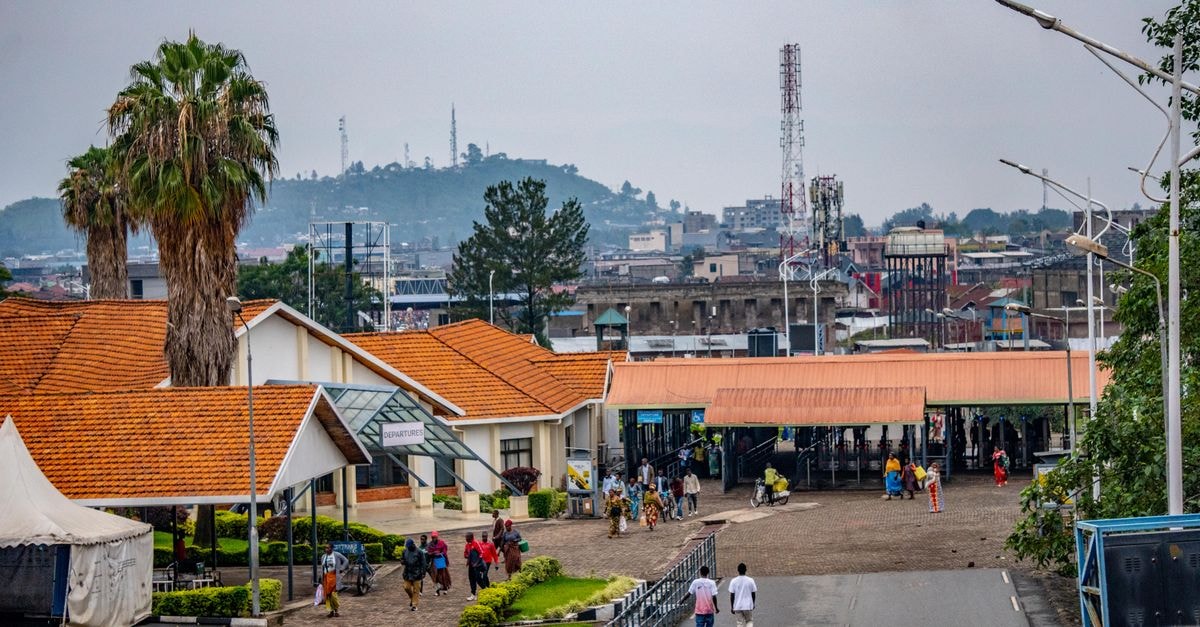
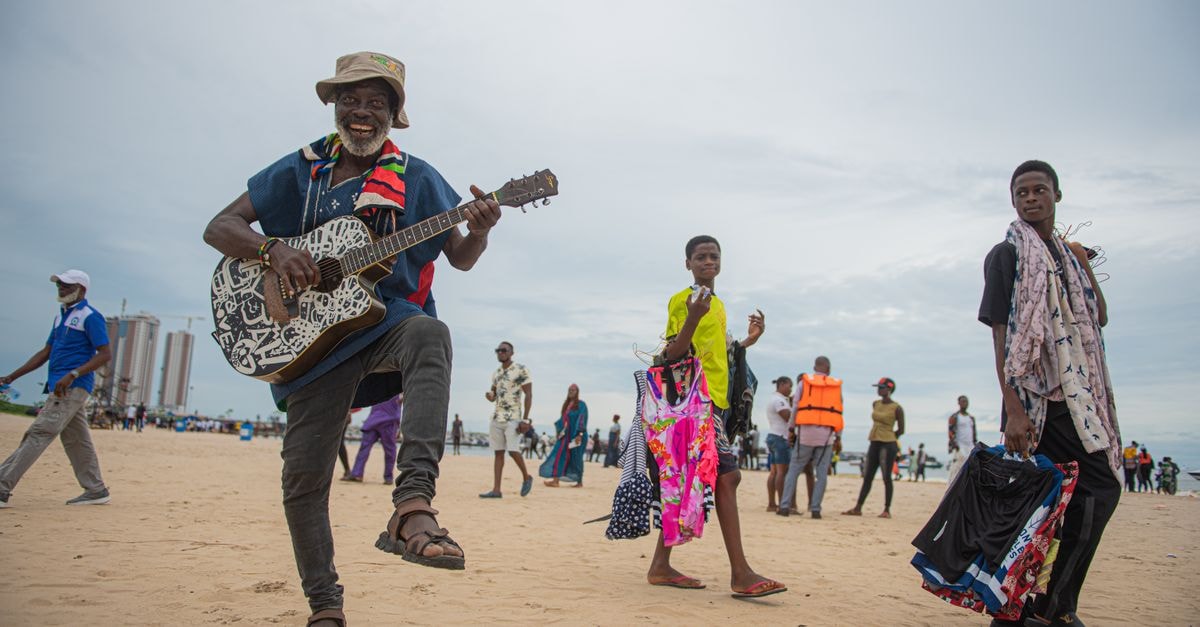
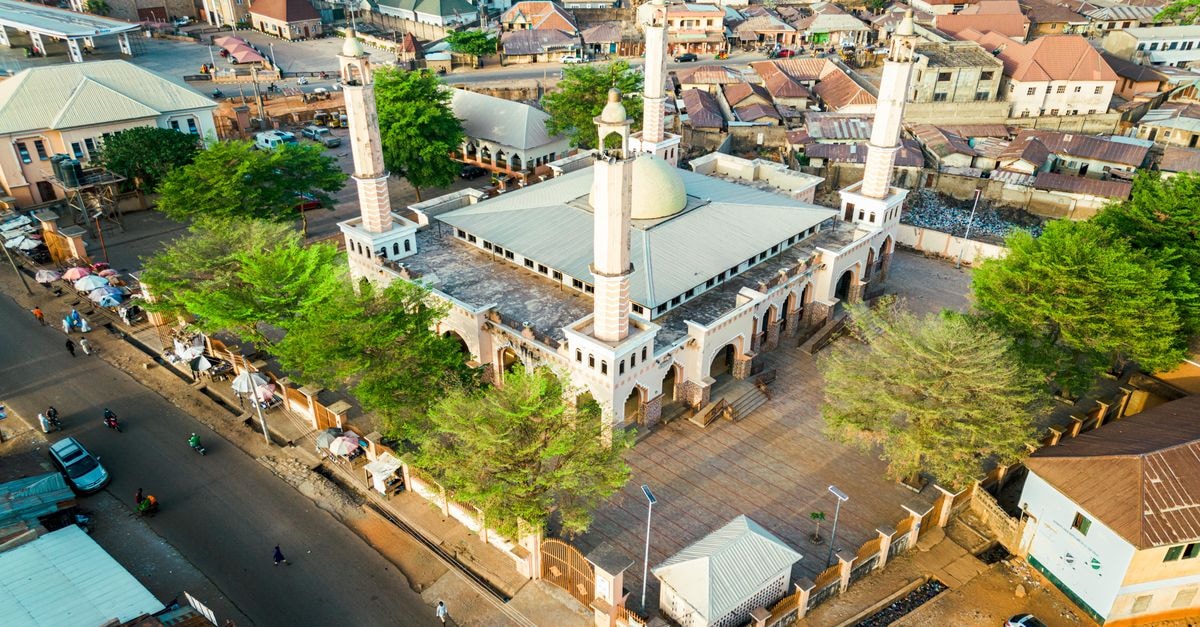
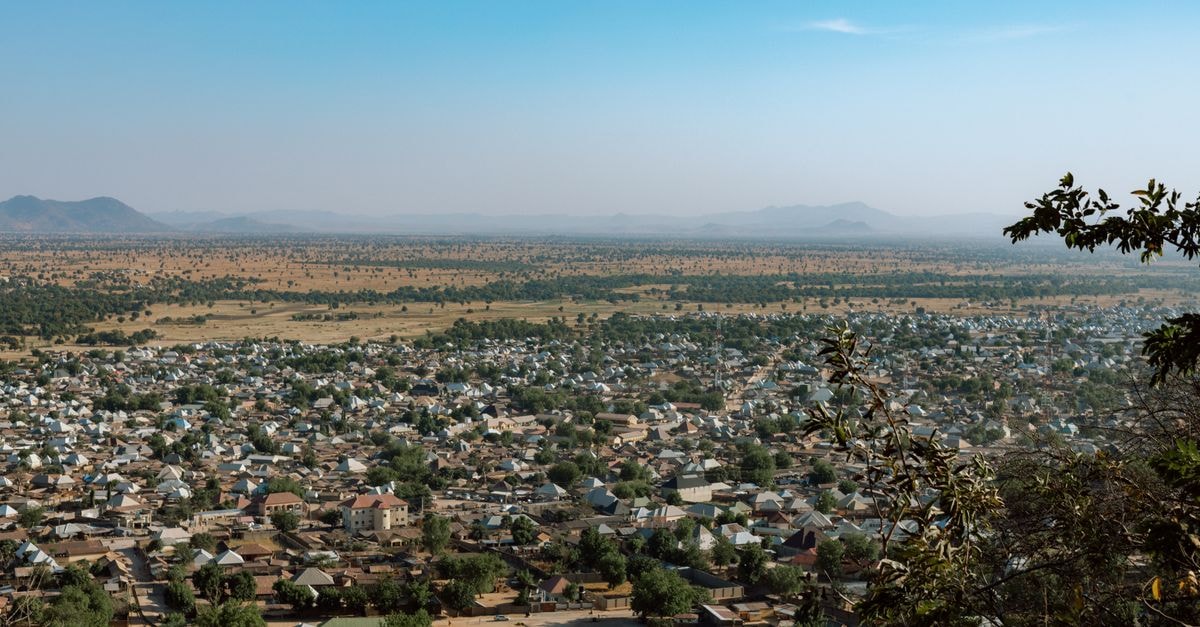
Mbuji-Mayi sits in the East Kasai region of the Democratic Republic of the Congo and carries the nickname *the Diamond City*, a quiet reminder of the trade that has shaped its streets. For travelers, it reads less like a polished destination and more like a working provincial capital where daily life sets the pace. The reward of visiting is less about a checklist of landmarks and more about absorbing the texture of the city: how people move, how the light falls over the markets, and how a meal unfolds in the evening.
This guide focuses on the practical scaffolding that makes a visit feel less uncertain: how the weather behaves across the year, how locals actually get around, and what to expect at the table. It is meant to be useful in any season, so the focus is on durable context rather than a single window of time.
Weather and seasonal context
One of the first things travelers ask about Mbuji-Mayi is when to come, and the honest answer from local climate guides is that there is no traditional tourist high or low season here. That absence of a peak window is itself useful information: it means visitors are not fighting a calendar, and the rhythm of the city does not dramatically reshape itself around a busy few months. It is also worth knowing that Mbuji-Mayi does not experience monsoons or hurricanes, so the kinds of large-scale seasonal weather events that disrupt travel in some tropical destinations are not part of the picture here.
The practical takeaway is to plan around your own comfort rather than chasing a supposedly perfect month. Light, breathable layers, a compact rain layer for sudden showers, and a willingness to slow your pace during the warmest hours will serve you well in almost any visit.
Getting around
Mbuji-Mayi does not run on a formal public transport system built for visitors, and that is part of the city's character. Instead, getting around is shaped by shared taxis that thread their way through the urban fabric. These are typically older vehicles, and they follow fixed but informal routes that have been mapped out by local demand rather than by any printed timetable.
For travelers, this has a few practical implications. Routes are understood by word of mouth and by what you observe at the roadside; stops are negotiable, and prices are settled in conversation. Riding a shared taxi is less like boarding a bus and more like joining a moving conversation among neighbors. It is one of the more authentic ways to read the city, but it does require a degree of patience and an openness to asking rather than assuming.
A few small habits help. Knowing the general direction you want to travel matters more than knowing a specific street name, because locals tend to orient by landmarks and neighborhoods. Carrying small denominations of local currency makes transactions smoother. And, as with many secondary cities, building in extra time for any journey is part of working *with* the system rather than against it.
Because routes are shaped by demand, they can shift as neighborhoods grow or change. Treat any route you learn about as a snapshot rather than a permanent line on a map, and confirm locally before relying on a particular path.
Food and local context
Food in Mbuji-Mayi is best approached as a window into the city's diverse cultural heritage. Local descriptions frame it as a culinary destination shaped by the many communities who have made the city their home, and that is a fair way to think about what you will encounter at the table: staples that feel familiar across much of the Democratic Republic of the Congo, prepared with local variation and served with a generous sense of hospitality.
Travelers should treat meals as an exploratory practice rather than a search for a single iconic dish. Eat where locals eat, accept what is fresh that day, and be ready for portions that are generous and shared. Asking what is in the pot, or what is being grilled at the roadside, almost always leads to a more interesting meal than scanning for a familiar restaurant brand.
A few final notes for the road
Mbuji-Mayi rewards travelers who arrive with curiosity rather than a rigid plan. The weather is steady enough that you can focus on the city rather than the forecast, the shared-taxi system rewards patience and conversation, and the food tells a story that is bigger than any single menu.
Above all, give the Diamond City room to surprise you. The most memorable part of a visit here is rarely a single landmark; it is the slow accumulation of small, human moments that the city's rhythm tends to offer when you let it.
*Factual travel conditions can change without notice. Please verify details through official or locally trusted channels before departure.*
Prices, opening hours, schedules, reservation rules, and local conditions can change; verify them through official channels before departure.
Share this article
TOOLS FOR THIS PLAN
Make the Mbuji-Mayi plan measurable
Choose a tool only when it answers the next question in your trip. Your values stay in the browser, and each tool offers a route back to this planning context.