A First Look at Cambridge

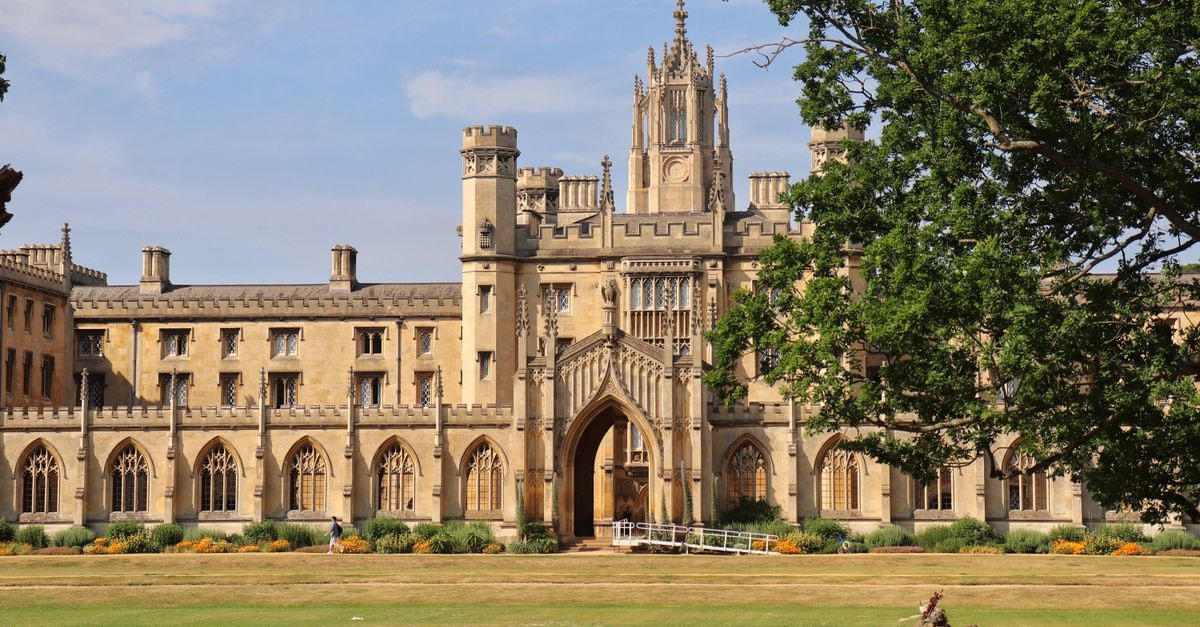
Cambridge packs more than eight centuries of academic and architectural heritage into a compact, walkable city centre. The University of Cambridge, founded in 1209, anchors everything: 31 colleges of honey-coloured stone sit along and behind the River Cam, and the riverside lawns known as the Backs stretch between the rear gates of several colleges and the water. From King's College Chapel's late-Gothic fan-vaulted ceiling, founded in 1446 and completed in 1515, to the wooden Mathematical Bridge at Queens' College, first built in 1749, the city rewards slow exploration on foot, by bicycle and by punt.
July sits at the heart of the summer season. The university term has ended, leaving the historic colleges open to visitors, the riverside beer gardens busy and the calendar thick with outdoor performances. Crowds peak, prices rise and daylight stretches late, with golden hour lingering on the Backs well into the evening.
July Weather and What to Pack
July is Cambridge's warmest month. Average daily highs sit around 73–74°F (23°C) and lows around 54–55°F (12–13°C). Rainfall totals about 2 inches across the month, spread over roughly 8 days, and humidity runs near 70%. Sunshine averages around 6 hours a day and daylight stretches for about 16 hours, so golden hour on the Backs can run to roughly 9:30pm.
Pack a light layer for evenings, comfortable walking shoes (the historic core has cobbled and uneven pavements in places), sunscreen for punting and a compact umbrella for the odd shower. Heatwaves do happen: the Cambridge University Botanic Garden recorded 39.9°C (103.8°F) in July 2022, so be ready for unusually hot days even though averages are mild.
Getting to Cambridge and Moving Around
Cambridge sits about 55 miles (89 km) north of London and is easy to reach by rail. Direct trains from London King's Cross (Great Northern) reach Cambridge in roughly an hour, with Liverpool Street services taking closer to 90 minutes. Cambridge has two stations, the main Cambridge station and Cambridge North; check which is closest to your accommodation before booking. Stansted is the nearest major airport, with scheduled coaches running into the city throughout the day. Advance coach fares beat walk-up prices, and Heathrow and Gatwick are reachable but usually require a change.
Once you are in the city, leave the car behind. Central Cambridge is flat, compact and famously bike-mad. Most attractions sit within easy cycling distance of each other, dedicated lanes weave between the colleges and Lime bike rentals make short hops simple. Stagecoach city buses accept contactless bank cards directly, with no travel card needed. The Cambridgeshire Guided Busway connects Cambridge, Huntingdon and St Ives and is the longest guided busway in the world, a useful way to avoid congestion coming in and out of the city.
If you are driving in, use one of the four Park & Ride sites on the ring road: Babraham Road, Trumpington, Newmarket Road and Madingley Road. Park & Ride is a great option for those wishing to skip traffic in the city centre, save money and time on parking. All Park & Ride buses are accessible for wheelchair users and those with buggies or pushchairs, and they feature free Wi-Fi, USB charging and greener engines. Castle Hill, Grafton East and Grand Arcade car parks sit inside the centre but charge peak rates.
For a low-effort overview of the city, the Stagecoach Hop-On Hop-Off open-top sightseeing bus departs every 20 minutes, Monday to Sunday, and passes 18 attractions with audio guides in 8 languages. Adult tickets cost £17, concessions and students £14, children £11.50, and a family ticket (two adults, up to three children aged 5–15) £41. The full loop takes about 80 minutes, and combined tickets with Scudamore's punting are £45 for adults, £41 for concessions/students and £35.50 for children. The summer timetable runs from late March.
July Festivals and Seasonal Events
Cambridge's cultural calendar pivots outdoors in July. The headline event is the Cambridge Summer Music Festival, running 1–29 July 2026, a month-long programme of chamber, orchestral, choral, jazz and solo recitals held in college chapels, halls and gardens. The Sounds Green series at the Cambridge University Botanic Garden runs on Wednesday evenings at 6:30pm and is the festival's most accessible offering. Booking is recommended for headline events, including the Spem in Alium performance at Our Lady and the English Martyrs on 4 July and Handel's Il trionfo del Tempo e del Disinganno at Trinity College Chapel on 10 July.
The Cambridge Shakespeare Festival stages productions in secluded college gardens through the summer, mixing the rustle of scripts with evening birdsong. The Cambridge Folk Festival brings a different energy to Cherry Hinton Hall, with guitars, food stalls and the earthy aroma of woodsmoke. On Sunday 12 July 2026, Cambridge marks 75 years since gaining city status with a free celebration event; details appear on the city council's website.
College gardens are at their July peak too. The King's College Fellows' Garden is open for only six weeks, and its roses carry their heaviest scent during this window. Visiting on weekdays or early in the morning lets you catch the blooms before the crowds build.
Top Attractions and How to Beat the Queues
King's College Chapel is the single most recognised building in Cambridge. The fan-vaulted ceiling is the largest of its kind in the world, stretching 289 feet in length and reaching 80 feet at its peak, and the 26 stained-glass windows largely survived the English Civil War. Peter Paul Rubens' The Adoration of the Magi (1634) hangs behind the altar. Adult admission in 2026 is approximately £11, with free entry for under-12s accompanied by an adult. Opening hours are generally Monday to Saturday 9:30–15:30 plus Sunday services. In peak summer the queue can stretch along King's Parade by 10am; arrive before opening or later in the afternoon.
Punting on the Cam is the city's signature activity. The classic Backs route passes beneath six historic bridges alongside the grounds of King's, Clare, Trinity and St John's, with the Mathematical Bridge at Queens' College as the most photographed crossing. Chauffeured punts and self-hire are both available from operators including Scudamore's and Cambridge Chauffeur Punts. In July expect to wait 30-plus minutes for a shared punt during peak hours and to pay meaningfully more than in the shoulder season. Booking a slot in advance is wise, especially for evening departures.
The Fitzwilliam Museum, founded in 1816, is free and houses an encyclopedic collection ranging from antiquity to works by Turner and Titian. The Eagle pub on Bene't Street is where Crick and Watson announced the structure of DNA in 1953 and where RAF aircrew chalked their squadron markings on the RAF Bar ceiling during the Second World War; both are still visible. The Cambridge University Botanic Garden, the University Museum of Zoology, the Bridge of Sighs at St John's and Parker's Piece (where the first Laws of the Game for association football were drawn up in 1848) round out the core itinerary. River swimming spots at Grantchester Meadows and Sheep's Green reach comfortable temperatures in warm July afternoons for those tempted by the Cam.
Where to Eat: Markets, Pubs and Bakeries
Cambridge Market Square sits at the heart of the city and runs every day except Christmas Day, Boxing Day and New Year's Day, 10am to 4pm, mixing street food, produce and crafts. It is the best one-stop lunch in the centre; arrive before noon to beat the lunch crush and grab a bench in the square.
The defining local flavour is the Chelsea bun: sticky, currant-studded, lemon-zest-glazed dough that Fitzbillies has been making since 1920. The original bakery is on Trumpington Street, with a newer café on Bridge Street. Cambridge sausage from local butchers, typically seasoned with sage, mace and a touch of cayenne, is another must-try, served grilled with caramelised onions in pubs and at market stalls. For a more formal meal, Midsummer House on Midsummer Common holds two Michelin stars and should be booked months in advance. The Orchard Tea Garden in Grantchester, about 2.5 km south of the centre and reachable on foot via the Grantchester Meadows path or by punt, has been serving cream teas and light lunches in apple orchards since 1897.
Pubs typically open 11am–11pm, later on weekends. Restaurants serve lunch from noon to 2:30pm and dinner from 5:30pm. Tipping 10–15% is standard where service is not included. Some smaller market stalls prefer cash.
Hotels, Costs and Booking Pressure
July is peak season in Cambridge. Hotel rates that sit in the moderate band in May jump to peak pricing, and the most characterful options, including college B&Bs and small guesthouses, often sell out months ahead. Booking early is essential if you want to stay centrally; the city centre keeps you within walking distance of the colleges, the Backs and most restaurants.
For budgeting, expect roughly £50–70 per day on a tight budget and US$120–250 per day at a mid-range standard, excluding flights, with college entry fees, punting, dining and lodging the main upward levers. Cambridge prices sit above the UK average, particularly in summer, and the headline July-specific surcharges are hotel rates and punting fares.
Safety, Money and Practical Tips
Cambridge is generally very safe for tourists, with low violent crime. Standard city precautions apply: keep valuables secure, watch for pickpockets in the Market Square, bus station and train station, and stay on well-lit streets at night. Bicycle traffic is heavy; watch for cycle lanes and never stand in a punt loading area. Emergency services are reached on 999 (police, ambulance, fire) and non-emergency police on 101.
The currency is British Pound Sterling (GBP, £). Cards including contactless are widely accepted on buses, in shops and at most attractions. ATMs are plentiful in the city centre; check your bank's foreign transaction and withdrawal fees before travel. Exchange rates fluctuate, so treat any published rate as a reference only and check the live rate on the day.
A few practical pointers: respect college signage and quiet areas, since many colleges remain active academic communities; close gates quietly behind you; queue in the British fashion; and check individual college websites for restricted periods during exams or ceremonies. Modest dress (covered shoulders and knees) is appropriate in chapels.
A Note Before You Go
Factual travel conditions, including prices, opening hours, train timetables, festival line-ups and visa rules, can change between writing and travel. Always confirm the latest information with official sources, such as the college, attraction or transport operator, before you depart.
Share this article
TOOLS FOR THIS PLAN
Make the Cambridge plan measurable
Choose a tool only when it answers the next question in your trip. Your values stay in the browser, and each tool offers a route back to this planning context.