Why Heraklion in July

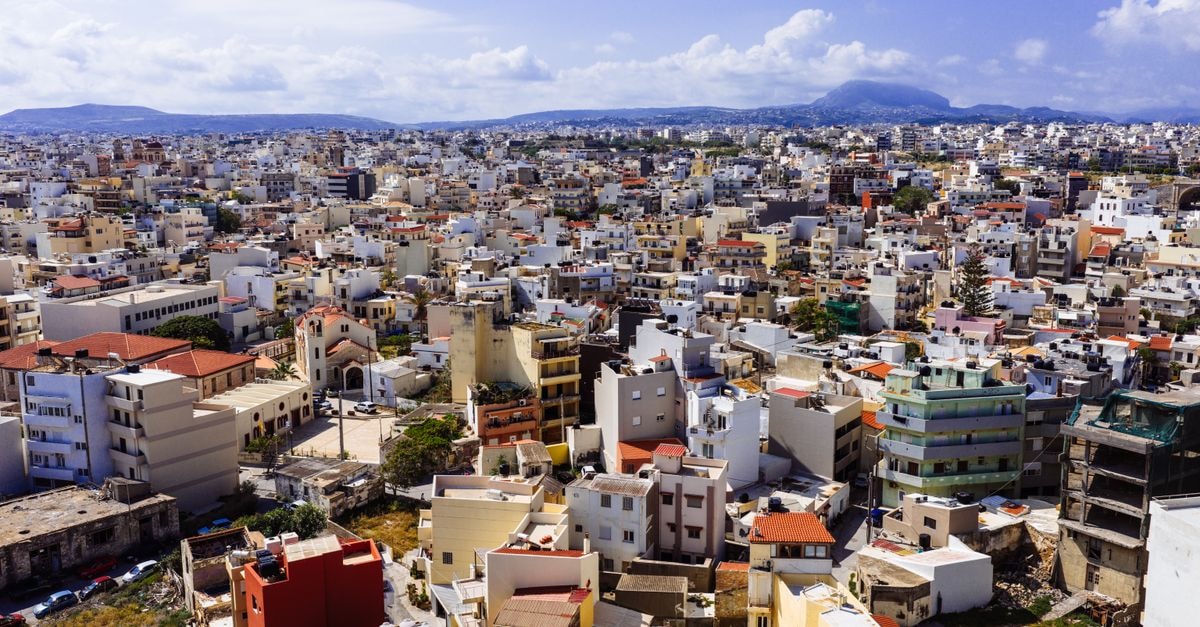
Heraklion is the largest city on Crete and one of Greece's busiest regional capitals, set between a working Venetian harbor and a layered history that runs from Minoan palace culture through Byzantine, Venetian, and Ottoman periods to the present day. The 16th-century Koules fortress guards the western edge of the old Venetian port, and the medieval fortification walls (with surviving gates like Chanioporta and the New Gate) frame the compact, walkable historic core. Just 5 km south of the city lies Knossos, the ceremonial center of Minoan civilization, which in 2025 was inscribed on the UNESCO World Heritage List alongside five other Minoan palace sites across Crete.
July is firmly high season. Days are long, sea temperatures are at their warmest, and the city's annual Summer Festival begins on July 1 and runs into mid-September, bringing concerts, dance, and open-air cultural events. That same energy makes the city lively but also crowded, so travelers who come in July should expect peak pricing and book the essentials early.
July Weather and What to Pack
July is hot, dry, and very sunny across Crete, and Heraklion is no exception. AccuWeather's July 2026 outlook for the city puts daily highs between 27.9°C and 29.7°C, with overnight lows ranging from 19.3°C to 23.4°C and averages of roughly 29°C during the day and 22°C at night. Climate-data.org's July 2026 profile is in the same ballpark, with an average temperature of 25.9°C, a typical maximum of 30.4°C, and a typical minimum of 21.5°C, alongside about 4 mm of monthly rainfall, sunshine running 12 to 13 hours a day, and humidity hovering around 67–72%. Sea-surface temperature sits near 25°C, which is comfortably swimmable. The UV index reaches "Extreme" levels in July (a 11.4 reading on one monthly climate table), so high-SPF sunscreen, a wide-brim hat, sunglasses, and a reusable water bottle are essentials rather than optional extras. Lightweight linen or cotton clothing, sandals, and a light layer for air-conditioned restaurants round out a sensible packing list.
The weather does come with one caveat: Greece experiences seasonal wildfire alerts between April and October, so it's worth checking the Civil Protection page and any local guidance the day you arrive.
Getting There and Moving Around
Heraklion has two practical arrival points — Nikos Kazantzakis International Airport for flights, and the busy port for ferries.
By plane, scheduled service connects Heraklion with Athens, Thessaloniki, Santorini, Rhodes, and Larnaka. Carriers listed by the Municipality of Heraklion include Aegean Airlines (Heraklion Airport, +30 2810 330475) and Sky Express (Heraklion Airport, +30 2810 223500), with Ryanair and Thomas Cook Airlines also serving the airport in season. Charter and low-cost flights from across Europe arrive directly, while connections via Athens open up the wider Greek and international network.
By ferry, Heraklion is one of the busiest ferry hubs in the Aegean. Piraeus–Heraklion–Piraeus is operated by ANEK SUPERFAST (11 Dimokratias Street, +30 2810 308000) and Minoan Lines (78 25th August Street, +30 2810 229602). Cyclades services run via SEAJETS and Hellenic Seaways (both at 5 25th August Street through Palaiologos SA, +30 2810 346185). Routes to Sitia, Kasos, Karpathos, Halki, and Rhodes are served by AEGEON PELAGOS (11 Dimokratias Street, +30 2810 222481). The general itinerary aggregators greekferries.gr and ferryconnection.com are useful for comparing schedules.
Within the city, the historic core, the port, and most museums are walkable, and the Municipality also offers a free bicycle rental service for citizens and visitors. Daidalou, Dikaiosinis, and Kalokairinou streets concentrate fashion and chain shopping within easy strolling distance of the main squares.
Sights, Museums, and July Events
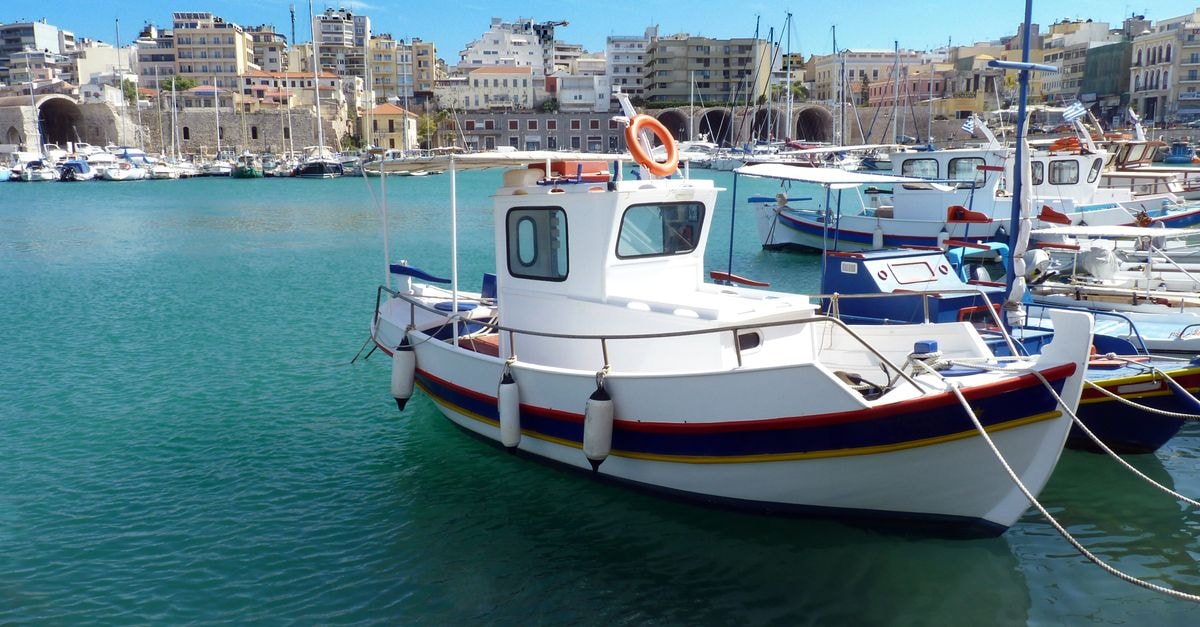
Start at the old Venetian port. The vaulted tarsanades (medieval shipyards) sit just behind the quay, and the 16th-century Koule Fortress marks the harbor's western edge. Climb up to the Martinengo bastion — the best-preserved of the seven — for a view over the city and to find the tomb of writer Nikos Kazantzakis.
From the port, walk up 25 Avgoustou (25th August) Street to the central square, where the 19th-century Church of Agios Titos and the Venetian Loggia stand side by side. Fountains are another Heraklion signature: the 1628 Morosini (Lions) fountain on the main square is the most photographed, but the Bembo (1552–1554), Sagredo (1602–1604), and Priuli (1666) fountains are all within a short walk. Among churches, the imposing 19th-century Metropolis of Agios Minas and the 16th-century Agia Ekaterini (now a museum of the Cretan Renaissance) are the standout stops.
For ancient Crete, the Archaeological Museum of Heraklion holds treasures from Knossos and the wider Minoan world, while the Historical Museum of Crete traces the city from the first centuries AD to today and the Museum of Natural History covers Cretan flora and fauna. A short trip out of town, Creta Aquarium (Thalassocosmos) is the largest research, education, and entertainment center of its kind in the Mediterranean.
Knossos itself sits about 5 km south of the city and is the headline attraction. Allow a half-day, take water and sun protection, and consider going early or late to avoid the worst of the midday heat and tour-bus crowds.
In terms of July-specific events, the Municipal Summer Festival runs from July 1 to mid-September each year, presenting concerts, dance performances, and visual-arts events across the city. Outside the city, every July the Cretan Diet Festival is held in the open-air Municipal Garden of Rethymno — roughly an hour's drive west — and draws thousands of visitors for live music, folk dancing, and food celebrating the island's gastronomy.
Cretan Food: What and Where to Eat
Heraklion was named a UNESCO Creative City of Gastronomy in 2023, and Crete itself has been designated the European Region of Gastronomy for 2026. The Cretan diet is built around extra-virgin olive oil (Crete grows roughly a quarter of Greece's 120 million olive trees), wild greens, legumes, fresh dairy, fish, and moderate amounts of unfiltered local wine.
A few dishes to look for:
- **Dakos** — a Cretan barley rusk topped with tomato, crumbled mizithra cheese, olive oil, and oregano. Around €6–10 in old-town tavernas. - **Staka** — a butter-derived clotted cream served at traditional kafeneia, often at breakfast. - **Antikristo lamb** — whole lamb skewered vertically and slow-cooked by radiant heat around an open fire. A festival dish, found at events and a few specialist restaurants. - **Graviera** — Crete's PDO hard sheep's-milk cheese, sold by the block at the central market. - **Skioufikta** — Cretan hand-rolled pasta served with vegetables. - **Tzoulamas** — a sweet-savory Carnival phyllo pie with chicken livers, raisins, almonds, and spices, surviving from Venetian-era Heraklion. - **Soutzoukakia (Smyrna-style)** — cumin- and cinnamon-spiced meatballs in tomato sauce, a legacy of the 1922 population exchange. - **Kapriko** — pork braised for hours with salt only, finished with lemon leaves. - **Imam** — slow-braised lamb and eggplant under a generous pour of local olive oil. - **Dolmadakia** — stuffed vine leaves with rice and herbs.
For sourcing and casual meals, the central market on 1866 Street is the obvious stop — fresh produce, cheese, herbs, and baked goods at producer-level prices. Old-town tavernas around the Morosini Fountain and the Kourai area wine bars are good for mezze plates in the €14–22 range for a full traditional lunch, while waterfront restaurants on the Venetian harbor typically run higher, around €20–35 per person.
Budgeting, Peak-Season Pricing, and Safety
July is the most expensive time to visit Greece, with accommodation and flights in popular spots running up to 50% above shoulder-season prices, so early booking is essential if your travel dates are fixed. As a rough planning frame, a 2026 budget guide for Greece suggests daily totals of around €60–80 for budget travelers (hostel or budget B&B at €25–40, street food around €20, public buses or walking for transport at about €10), €150–250 for mid-range visitors (boutique hotel €100–180, mid-range restaurant around €50, ferries or rental car around €40), and €400+ for luxury stays (5-star resort from €300, fine dining from €120, private transfers around €80). Food-specific figures for Heraklion itself overlap with that mid-range band — a dakos or mezze plate for €6–10, a traditional lunch off the main square for €14–22, and a harbor-front dinner closer to €20–35 per person. Bake these numbers into a July budget and you'll know whether to splurge on a harbor-view room or save by staying a short bus ride inland.
On safety, Greece as of May 2026 holds a U.S. Department of State Level 1 advisory — "Exercise Normal Precautions," the lowest risk rating — and continues to welcome tens of millions of international visitors a year without major disruptions. The realistic, everyday risks are ordinary: pickpocketing in crowded tourist areas, summer heat (which can push above 40°C on the mainland during heat waves), and seasonal wildfire alerts between April and October. Standard urban precautions — secure bags in crowds, stay hydrated, follow any local fire-risk guidance — are more than enough.
Factual conditions can change between writing and travel. Before departure, confirm the latest ferry schedules, museum opening hours, ticket prices, and any local safety notices through official channels, including the Municipality of Heraklion, the Hellenic Civil Protection portal, and your accommodation provider.
Share this article
TOOLS FOR THIS PLAN
Make the Heraklion plan measurable
Choose a tool only when it answers the next question in your trip. Your values stay in the browser, and each tool offers a route back to this planning context.