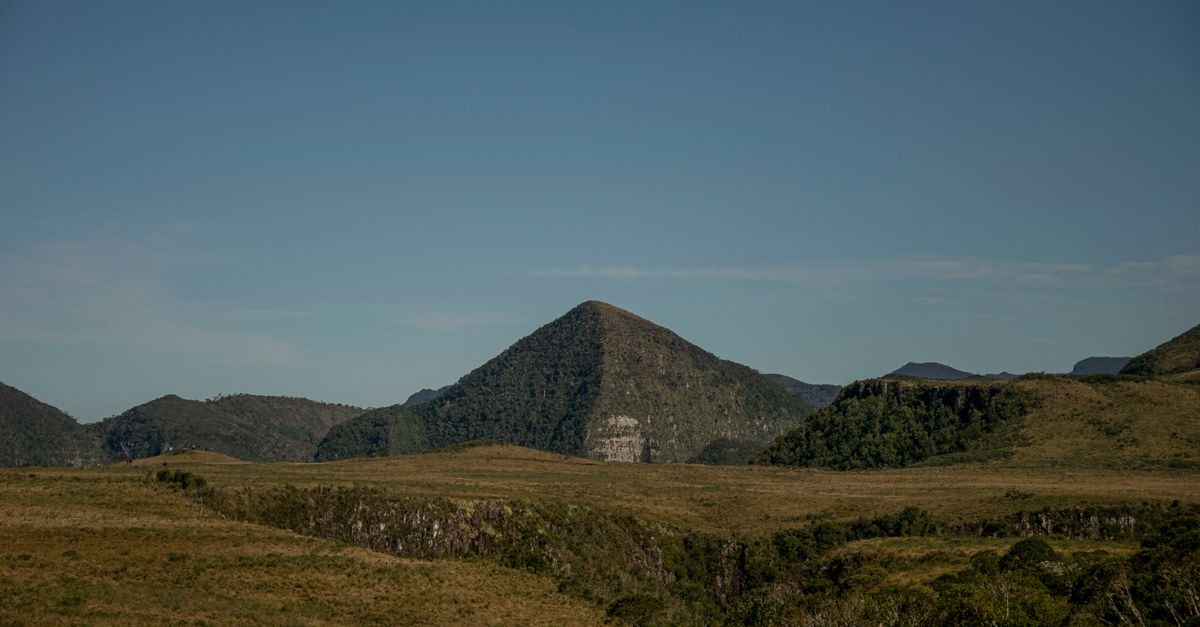
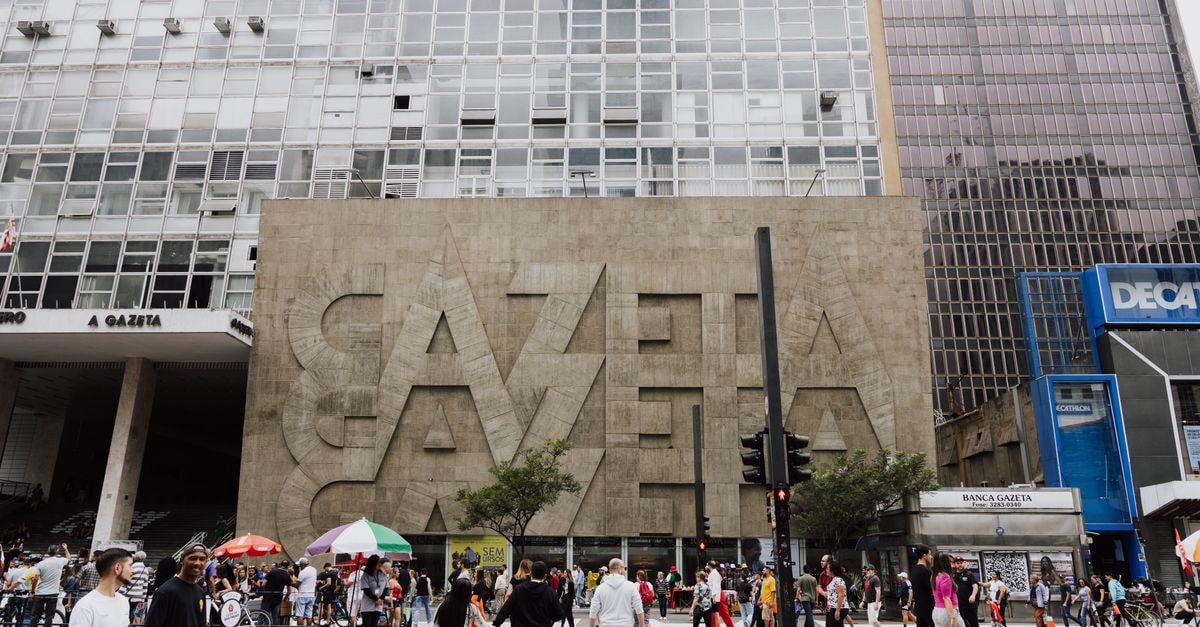
A first impression of Carapicuíba

Carapicuíba sits inside the São Paulo metropolitan area, a densely populated city where urban energy meets a strong local community spirit. It is known for lively street markets and everyday Brazilian culture, and it offers proximity to São Paulo's main attractions. That combination makes it an interesting base for travelers who want to feel the rhythm of the metropolitan region rather than only pass through it on the way somewhere else.
The city does not present itself as a polished postcard. Instead, it invites visitors to look at the everyday layers of life in Greater São Paulo — the small plazas, the local commerce, and the neighborhoods that pulse with residents going about their day.
Weather and seasonal context
Carapicuíba's climate is shaped by its position within the São Paulo metropolitan area, where weather can feel changeable from one part of the day to the next. Because the city blends dense urban character with a strong local community, the way weather is experienced often depends on how much time you spend walking between streets, markets, and public spaces rather than moving climate-controlled from place to place.
Visitors tend to find that layering clothing and planning a slower midday pace works well, especially when exploring on foot. Evenings can feel cooler, and shaded corners of the city can feel noticeably different from open, sunlit areas. Travelers who pace the day around the warmest hours and save indoor stops for the middle of the day often report a more comfortable experience.
Long-term climate context suggests warm conditions for much of the year, with periods of rain that can shift plans on short notice. Travelers are encouraged to think of Carapicuíba as a place best enjoyed with flexibility built in.
Getting around
Carapicuíba sits within a metropolitan area where the city government plays an active role in organizing cultural and tourism-related activity, which strengthens the city's identity and helps draw visitors to the municipality. While this does not by itself describe a specific transit network, it does mean that local institutions are oriented toward welcoming people who come to experience the city.
For visitors, the practical reality is that a densely populated urban setting like this one is usually best navigated with a mix of walking and whatever public or ride-share options the metropolitan area offers. Travelers who arrive expecting to move slowly between neighborhoods, markets, and community spaces will find that pacing matters more than speed.
Attractions and planning
Tourist points within the city are organized around set visiting hours. Some locations operate from 6 a.m. to 6 p.m. Monday through Friday, while others run every day from 6 a.m. to 6 p.m. These two opening patterns reflect how public-facing sites in Carapicuíba are structured for visitors, and they suggest that planning a visit earlier in the day is often the easiest way to fit everything in.
Travelers who want to experience the city's everyday character should think of attractions less as a checklist and more as a series of encounters — a parade, a public square, a market, a community space — each of which rewards a bit of unhurried attention.
Etiquette and everyday culture
Across Brazil, social culture tends to be warm and informal, and greetings are often friendly, with a relaxed tone the norm in shops, cafés, and public spaces. Visitors who mirror that easy warmth usually find interactions feel natural in Carapicuíba, where the metropolitan setting blends residential familiarity with the everyday pace of Greater São Paulo.
Practical notes for visitors
Carapicuíba rewards travelers who treat it as a lived-in city rather than a sightseeing stop. The experience comes from walking, watching, and engaging with everyday rhythms — from the early-opening public sites to community events that bring residents together. Because tourist information can change, visitors should check official municipal channels for current opening hours, scheduled events, and any local notices before heading out.
A final note on accuracy: travel conditions, schedules, and local arrangements can shift, and the most reliable way to confirm details is to consult official sources closer to the visit. This guide is meant as a starting point, with the understanding that a curious, flexible traveler will get the most out of a city like Carapicuíba.
Share this article
TOOLS FOR THIS PLAN
Make the Carapicuiba plan measurable
Choose a tool only when it answers the next question in your trip. Your values stay in the browser, and each tool offers a route back to this planning context.