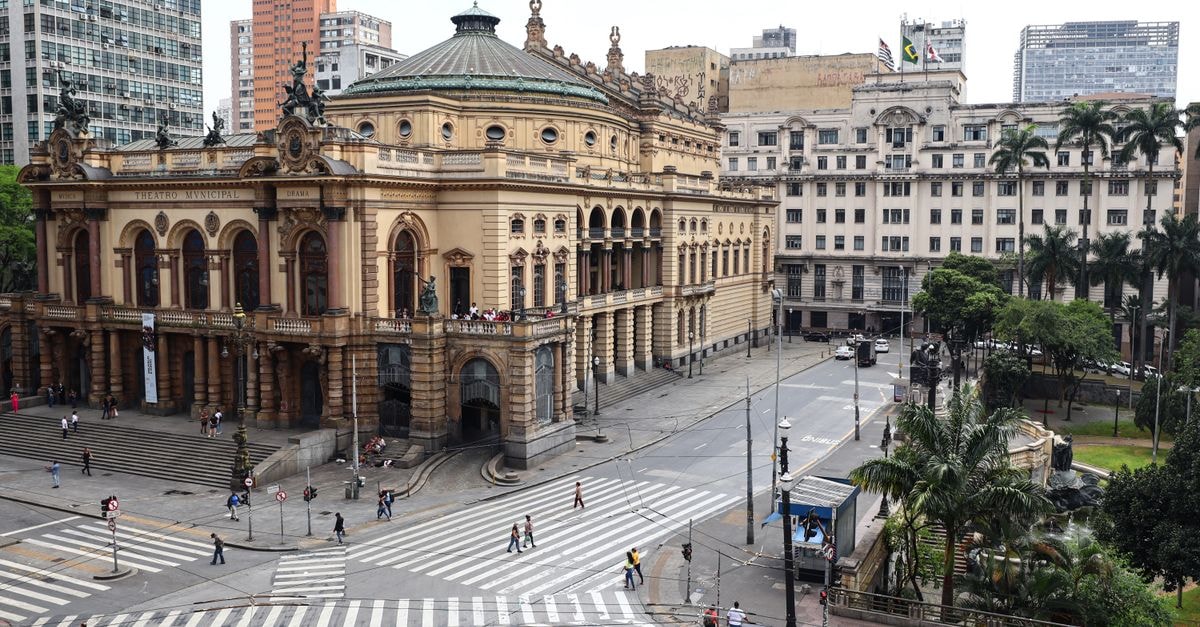
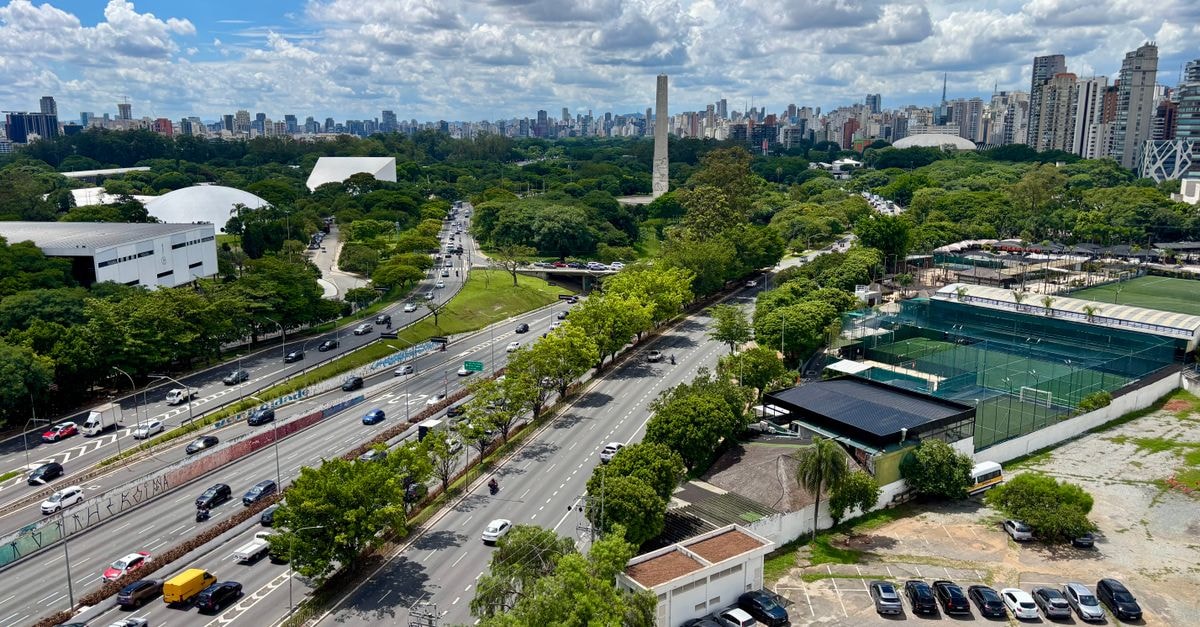
A quiet rhythm on the edge of São Paulo

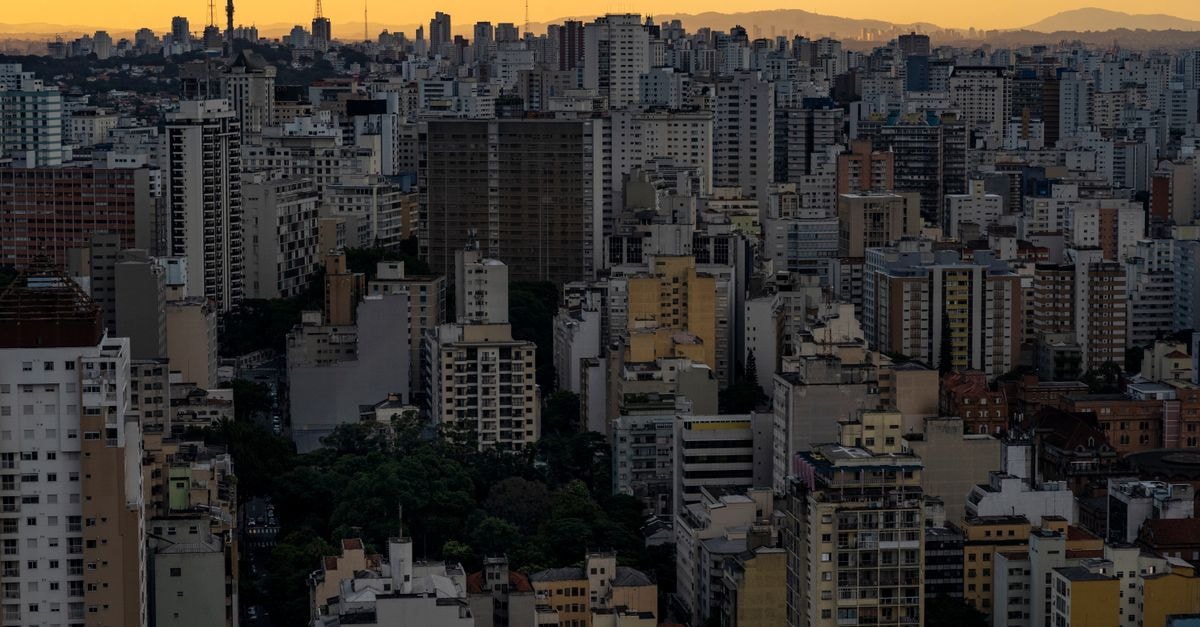
Taboão da Serra has its own cadence, even though it sits inside the vast metropolitan sprawl of São Paulo. The municipality is densely populated, and its streets are shaped by the daily interplay between residential neighborhoods and working industrial zones. That contrast gives the place a grounded feel: not a postcard destination, but a lived-in city where commuters, families and small businesses share the same blocks.
This guide is written for independent travelers who plan to use Taboão da Serra as a base while spending time in Greater São Paulo, or for curious visitors who simply want to understand the city on its own terms. It focuses on what the approved sources actually support: the rhythm of daily life, what a day tends to cost, how to move around safely, and where local events occasionally bring the community together.
Weather and seasonal context
The approved sources describe Taboão da Serra as a municipality in the state of São Paulo, sitting within the metropolitan area of São Paulo. Because no direct temperature, rainfall or season-specific figure is available in the evidence, this section does not attempt to prescribe what the weather will feel like. Travelers planning a visit should check a reliable forecast closer to departure.
What can be said with confidence is the broader character of the place. Taboão da Serra is densely populated, and its residential areas are closely intertwined with industrial zones. That mix shapes how the city feels at different hours of the day: busier during commuting windows, quieter in residential pockets, and more industrially active in specific corridors. Pacing the day around these rhythms, rather than against them, tends to suit visitors who want to experience the city rather than rush through it.
Getting around
Moving through Taboão da Serra is best understood as part of the larger Greater São Paulo transport picture. The municipality sits within commuting distance of central São Paulo, and many residents travel in and out for work each day. Because the area combines dense residential streets with industrial zones, walking between some points can be practical while other routes are clearly made for motorized transport.
A practical note that does come directly from the approved evidence: urban crime is present, and visitors are advised to avoid isolated areas and crowded transit at night. That is a standard urban caution rather than a special warning about this specific city. Choosing well-lit routes, traveling earlier in the evening, and keeping an eye on belongings in busy transport hubs are sensible habits here, as they are across much of Greater São Paulo.
For travelers staying in Taboão da Serra and commuting into São Paulo itself, daily transport costs are folded into the broader budget range described below, rather than broken out separately.
Costs on the ground
According to the approved evidence, daily costs in Taboão da Serra are described as moderate for the Greater São Paulo region. The cited range is roughly US$35–65 per day for lodging, dining and commuter transport to São Paulo. This range should be read as a per-person, per-day reference that excludes intercity transport and airfare, since the visitor's point of origin is not known.
In practical terms, that range usually reflects a modest hotel or guesthouse, everyday meals at accessible restaurants or simple lunch counters, and the cost of a return commute into central São Paulo. Travelers whose plans are mostly contained inside Taboão da Serra itself may find the daily figure sits toward the lower end of that range, while visitors splitting time between the municipality and central São Paulo will more often sit toward the middle.
Because the figure is given in U.S. dollars, it is worth treating it as a reference point rather than a fixed budget. Exchange rates move, and the real cost in Brazilian reais on any given day depends on the rate at the time of exchange. Before committing to a budget, check the current rate and confirm accommodation and meal prices directly with the providers you plan to use.
A local event worth knowing about
One detail from the approved sources gives a useful glimpse into how Taboão da Serra's municipal life shows up in public. The Secretaria de Turismo (Municipal Tourism Office) has hosted a Festival de Confeitaria in Taboão da Serra, a confectionery festival that gathers bakers and confectionery professionals to present and sell their products during the event. Participants also take part in a competition judged by professional chefs, with prizes awarded to the top three finishers.
Based on the approved evidence, this event is documented as having taken place on a specific past date in Taboão da Serra, and the sources do not confirm that it is a continuously running program or that future editions are currently scheduled. It is included here as a recorded example of the kind of small, themed, community-facing programming that the city's tourism office has organized, rather than as an attraction visitors can plan around on any given trip. Travelers who enjoy tracking down food events while they travel can keep an eye on local municipal channels for similar programming during their stay.
Food and local context
Because the evidence does not name specific venues, neighborhoods or signature dishes in Taboão da Serra itself, the safest approach is to treat this guide's food context as orientation rather than a recommendation list. Exploring nearby bakeries, lunch counters and casual restaurants during a stay is the most reliable way to get a feel for what the city actually offers, rather than relying on generalized claims about what travelers "should" eat here.
A final note before you go
Taboão da Serra rewards travelers who approach it as a working city on the edge of a much larger metropolis. It is densely populated, closely tied to São Paulo, and shaped by the everyday rhythm of commuters and small businesses. Staying here can mean quieter evenings and lower daily costs than the city center, paired with easy access to Greater São Paulo during the day.
Factual conditions can change, including prices, transport options, safety conditions in specific neighborhoods, and the scheduling of local events. Before traveling, confirm the details that matter to your trip through official municipal channels and current local sources, and treat any fixed budget figure as a reference rather than a guarantee.
Currency rates referenced in any planning material are reference rates only. Check the live rate before exchanging money or budgeting in a foreign currency, and allow for the difference between a reference rate and the rate you actually receive.
Prices, opening hours, schedules, reservation rules, and local conditions can change; verify them through official channels before departure.
Share this article
TOOLS FOR THIS PLAN
Make the Taboao da Serra plan measurable
Choose a tool only when it answers the next question in your trip. Your values stay in the browser, and each tool offers a route back to this planning context.