A gentle introduction to Catamarca

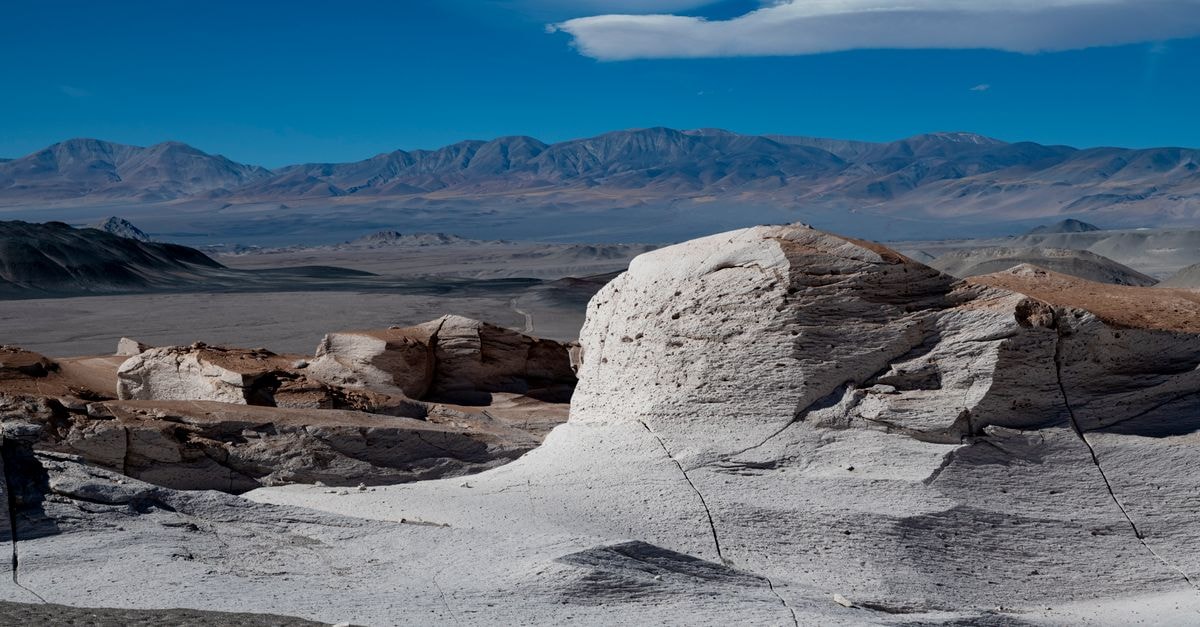
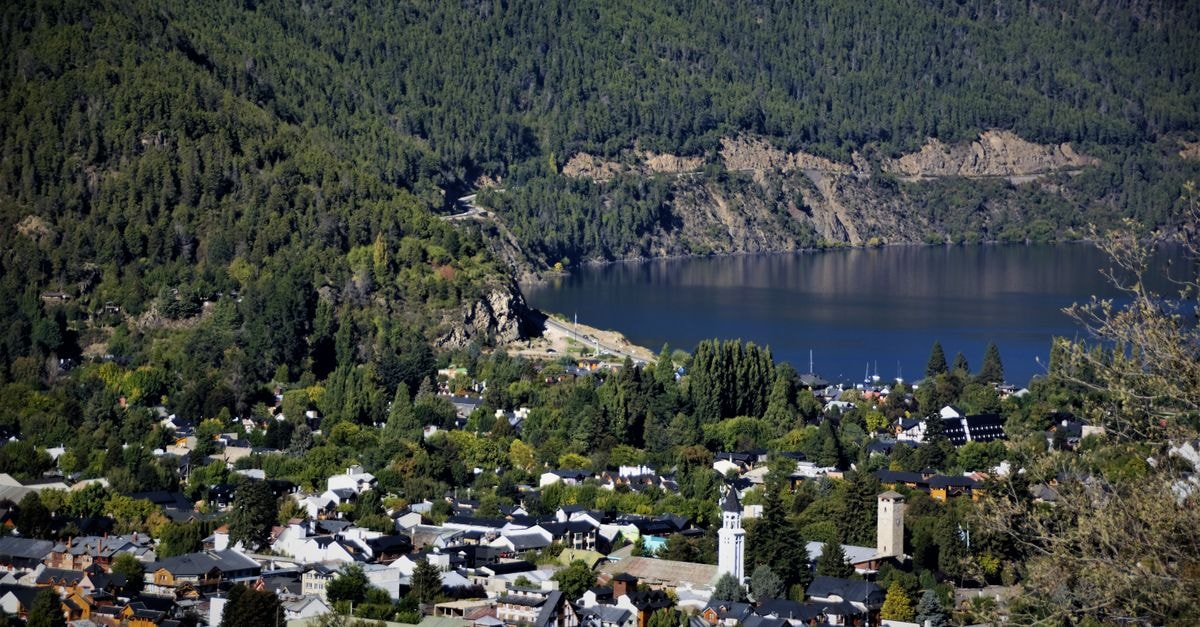
Tucked into the northwestern reaches of Argentina, Catamarca is the kind of city that rewards travelers who arrive with curiosity rather than a packed agenda. The surrounding landscape shifts between arid hills, river valleys, and mountain silhouettes, and the city itself moves at a calmer pace than Argentina's larger capitals. For a traveler who likes to settle in, walk a little, ask locals where to eat, and adjust plans to the weather, Catamarca offers a refreshingly low-key base.
The notes below stick to what is reliably supported about the city: how the weather tends to feel, how to move around once you arrive, and the broader food culture you may bump into while you are here.
Weather and seasonal context
Catamarca sits in a region of Argentina where the climate leans dry and the skies tend to be generous with sunshine for much of the year. Conditions in the province can be described in broad strokes as ranging from pleasant to warm, with precipitation generally low to moderate. That description is useful framing rather than a daily forecast, so treat it as a sense of what to expect on average rather than a guarantee for any given week.
Because the temperature band is wide and rainfall can vary, layering is the most practical approach. Mornings and evenings can feel cooler, while the middle of the day may shift toward warmer temperatures, especially under direct sun. A light jacket, a sun hat, and a refillable water bottle tend to travel well here. If you prefer to walk at a relaxed pace or spend time outdoors, the dry climate usually cooperates; if heat is a concern for you, plan the heaviest sightseeing for the cooler parts of the day and save midday for a slower lunch or a rest.
The lack of heavy seasonal weather infrastructure noted for the region also means conditions can change with elevation and microclimate, so a short check of the local forecast before heading out for the day is a small habit that pays off.
Getting around
Catamarca is served by San Fernando del Valle de Catamarca Airport (CTC), which is the main air gateway for travelers arriving from other parts of Argentina. From the airport, onward connections are straightforward, and the city center is the usual first stop for most visitors.
Public transportation within the city is limited in scope, consisting mainly of buses and taxis. For travelers who like the simplicity of hopping a bus or hailing a cab, the existing network can cover the basics, though it is not the kind of dense, high-frequency system found in Argentina's biggest metros. If your travel style leans toward independence, especially if you want to explore beyond the central streets at your own rhythm, a rental car is worth considering. Car rental services are available at the airport and in the city center, which makes it easy to compare a few options on arrival.
A practical approach is to use taxis or buses for short hops within the urban core, and to consider a rental car if your plans stretch further out. There is no train station in the city, so rail is not part of the local transport picture; intercity connections for travelers arriving overland typically run through the Catamarca Bus Terminal.
Food and local context
Food in Catamarca sits firmly within the wider Argentine tradition, and travelers who enjoy taking meals slowly will find plenty to explore. The question of what to eat is a genuine part of the Catamarca experience, and locals tend to take pride in pointing visitors toward what is fresh and in the moment.
Across Argentina more broadly, the food culture is built around a few familiar pillars: grilled meats, empanadas, hearty stews, and a strong café tradition. As a visitor in Catamarca, you are likely to encounter these national touchstones in everyday settings, from a neighborhood restaurant to a simple family-run place. That nationwide context is useful to know before you arrive, because it shapes what shows up on most menus and what locals recommend when you ask.
That said, regional variation matters. The northwest of Argentina, including Catamarca, has its own culinary identity that leans into ingredients and recipes tied to the Andean foothills and the surrounding valleys. Rather than chasing a specific dish list, a relaxed approach works well: ask what is being cooked that day, try an empanada if it appears on the menu, and be open to whatever the local kitchen is doing best at the moment. If you travel with dietary preferences or with children, asking directly about ingredients and preparation tends to get clear, helpful answers, since meal times in this part of Argentina are typically social and unhurried.
For travelers who like to pair meals with sightseeing, the compact feel of the city means a slow lunch followed by an afternoon walk is a very natural rhythm here.
Planning a trip that fits your style
A few grounded tradeoffs are worth weighing before you set your plans. If you value flexibility and want to set your own schedule, the combination of a rental car with a hotel in the central area gives you the most control, especially given that the local public transport network is limited to buses and taxis. If you prefer not to drive and are happy to base yourself in the city center, taxis and short bus rides can comfortably cover the urban core, though you may want to confirm routes and timings locally for anything outside the main streets.
For the weather, the pleasant-to-warm range and low-to-moderate rainfall profile suit travelers who like outdoor walking, but the same range can mean warm midday conditions, so pacing the day around cooler hours may suit anyone sensitive to heat. On the food side, the strong Argentine foundations mean almost any traveler will find familiar footing, while those curious about regional northwestern touches may want to leave room in the day for an unhurried, locally recommended meal rather than a preset restaurant plan.
A short note before you go
Travel conditions can change, and details such as transport availability, services, and the day-to-day weather should be checked through official or local channels close to your trip. The notes above are meant as durable, evergreen context for Catamarca rather than a live confirmation of any specific detail.
Prices, opening hours, schedules, reservation rules, and local conditions can change; verify them through official channels before departure.
Share this article
TOOLS FOR THIS PLAN
Make the Catamarca plan measurable
Choose a tool only when it answers the next question in your trip. Your values stay in the browser, and each tool offers a route back to this planning context.