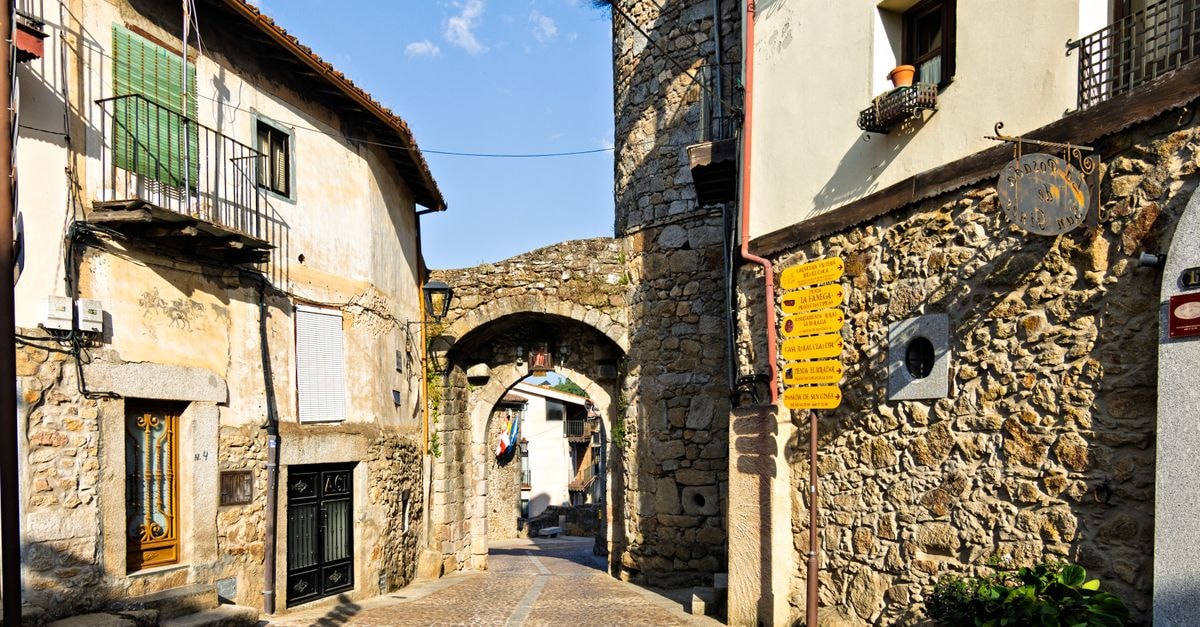
A slow invitation to the Apure capital

A short walk or taxi ride through the centre reveals historic landmarks and cultural attractions, including the San Fernando de Apure Cathedral and the Museum of Apure, both of which anchor any visit to a sense of the city's heritage. Around them, the city reads as a working regional capital: active, lived-in, and rooted in the surrounding plains.
Getting around
San Fernando de Apure is served by San Fernando de Apure Airport (SFD) for arrivals by air, and by the San Fernando de Apure Bus Terminal for overland connections. There is no train service, so road is the practical way in and out of the city. Public transport in the city is limited and mainly consists of buses and taxis.
Attractions and planning
The city's main cultural anchors are approachable and easy to fit into a relaxed day. The San Fernando de Apure Cathedral is a central reference point and a useful landmark for getting your bearings, while the Museum of Apure offers a window into the history and identity of the surrounding region. Together, they reflect the character of a city that has historic landmarks and cultural attractions worth pausing for, even on a short visit.
A sensible approach is to anchor one part of the day around the historic center, giving yourself time to move between the cathedral and the museum at a comfortable pace. The llanos setting means that the city itself often feels like part of the attraction: the wide streets, the openness of the sky, and the unhurried flow of daily life in a regional capital. If you are drawn to places where the local identity feels close to the surface, San Fernando de Apure offers that texture in a way that larger, more tourist-saturated cities often do not.
Because verified opening hours, ticket details, and current conditions for specific venues are not part of the available background for this guide, it is worth confirming practical details such as museum hours and any entry information before you set out. That way, your day can stay flexible and centered on the experience rather than on logistics.
Food and local context
Eating in San Fernando de Apure is closely tied to the llanero food culture of the surrounding plains. Restaurants and food stalls in the city offer the chance to try fresh local ingredients and to taste recipes that have been passed down through generations, and the culinary identity here is firmly rooted in the llanos. This is the kind of place where regional dishes are part of the reason to visit, not just a side note.
One signature of the local table is pisillo de chigüire, a slow-cooked capybara dish that is a classic of llanero cooking. It can be found in local restaurants and food stalls in San Fernando de Apure that specialize in llanero gastronomy, and trying it is often considered a defining food experience of the region. Beyond this specialty, the broader llanero table tends to lean on river fish, beef, plantains, yuca, and the kind of hearty, slow-cooked flavors that suit the plains climate.
Because specific restaurant names, menus, prices, and opening hours are not part of the verified background for this guide, asking locally for current recommendations is a reliable way to find where a particular llanero dish is being prepared well on the day you are there.
Picking the approach that fits the trip
A short verification note before you go: travel conditions, transport availability, and local services can change, so it is wise to confirm current details through official channels and local contacts closer to your departure. Prices, schedules, and operating status should be checked on the day rather than relied on from any single source, and rates for any purchases in local currency should be treated as a reference only, with the live rate confirmed at the time of exchange.
Share this article
TOOLS FOR THIS PLAN
Make the San Fernando de Apure plan measurable
Choose a tool only when it answers the next question in your trip. Your values stay in the browser, and each tool offers a route back to this planning context.