A highland pause between Cusco and the coast

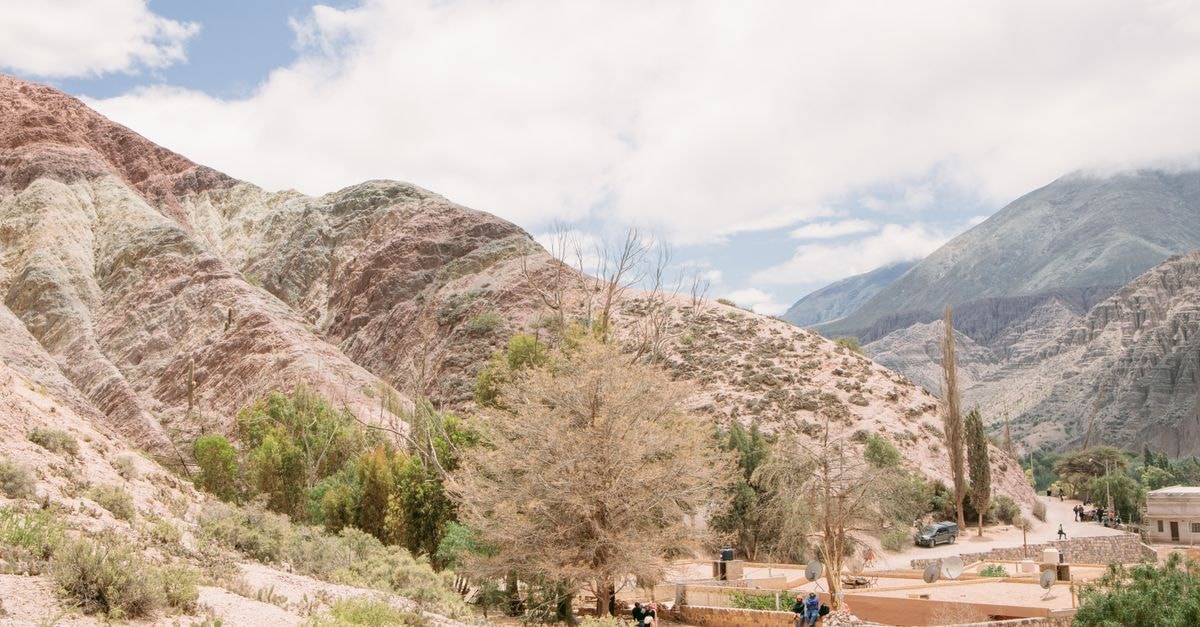
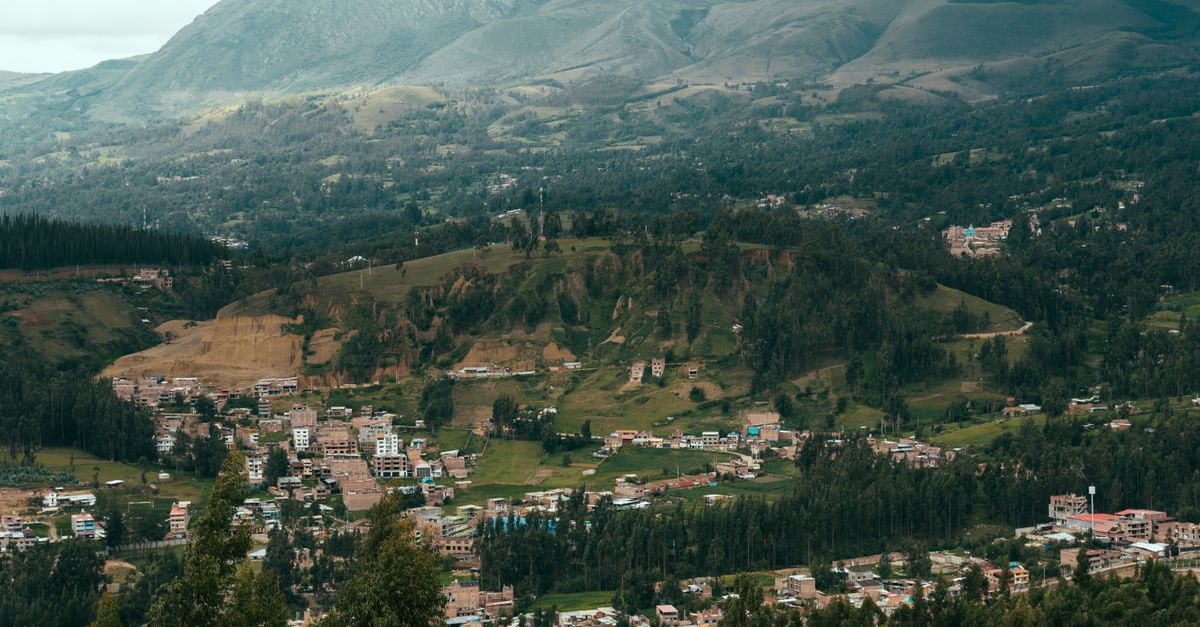
Tucked into the Apurímac region of the Peruvian Andes, Abancay sits at a notable crossroads. It is the kind of city travelers pass through on the long overland route between the coast and the high Andes, and the kind of place where the pace slows the moment the bus doors open. The air is noticeably thinner, the valley slopes rise steeply on either side of town, and the daily rhythm tends to revolve around the plazas, the markets and the comings and goings of intercity buses.
What Abancay offers a visitor is honest Andean town life rather than a checklist of headline sights. The reward of stopping here, even briefly, is a feel for a working highland capital that is not primarily a tourist stage. This guide keeps things grounded: what the weather typically feels like through the year, and how the transport links actually work for getting in and moving on.
Weather and seasonal context
Abancay's climate carries the personality of an Andean valley town, with a wide daily swing between the cool of the early hours and the warmth of the midday sun. The ledger describes temperatures averaging around 10°C (51°F), with daytime maximums reaching about 21°C (69°F) and overnight minimums dropping to roughly 2°C (35°F). That range is useful to know because it suggests the kind of layering that makes a day in Abancay comfortable: a light fleece or sweater for the mornings and evenings, and breathable layers for the hours when the sun comes around.
For travelers who prefer milder conditions, the spring-like daytime warmth can suit walking the central streets, sitting out in plazas and watching town life unfold. Travelers who do not enjoy chilly nights should consider that overnight temperatures can drop into the low single digits, so a warmer layer for evening is worth packing even if the daytime bag stays light.
Getting in and moving on by road
Abancay's position on Peru's southern transport map is its most practical travel fact. The Wikivoyage entry for the city notes that all buses on the Lima–Nazca–Cusco Interoceánica Sur line pass through Abancay, which means a traveler can simply board a southbound or northbound long-distance service and step off without a special connection. For visitors arriving from Lima or continuing toward Cusco, this is the main artery to plan around.
Within the wider Apurímac region, the Discovering Peru entry frames Abancay as a major transportation hub, with frequent buses and taxis connecting the city to other parts of the department. For a traveler who wants to use Abancay as a base for moving through Apurímac by road rather than as a single overnight, that hub status is the headline: there are buses and taxis running to surrounding towns, and the city is set up for onward road travel.
A few practical considerations follow from this. The Lima–Nazca–Cusco through-route means Abancay works well as a stopover on a longer overland trip, especially if breaking the long coastal-to-highland journey into more comfortable pieces appeals. The daily Andahuaylas link suggests planning a flight connection on the assumption of a same-day bus transfer on either side. The regional hub framing means that even a short visit can include a day or two of slow travel into nearby Apurímac towns by bus, which fits travelers who prefer road journeys over rapid transfers.
Choosing what fits the trip
Two practical tradeoffs shape a sensible Abancay plan. The first is layering: the daily temperature swing between roughly 2°C and 21°C means packing is less about a single climate and more about being ready for both cool mornings and warm afternoons. Travelers who dislike fussing with multiple layers may want to reconsider very early starts outdoors, while travelers who enjoy a clear day-night rhythm in the Andes will find this pace comfortable.
The second is how Abancay fits into a longer route. Travelers who like to break long bus journeys into smaller, more relaxed pieces may suit the Interoceánica Sur stopover pattern, using Abancay as a pause between Lima and Cusco. Travelers who prefer to minimize transfers and move directly between major destinations may want to reconsider stopping here, since the through-routes are designed for transit rather than a dedicated arrival. The daily Andahuaylas link, on the other hand, may suit travelers who want to combine a regional flight with a slower road approach into the city.
Prices, opening hours, schedules, reservation rules, and local conditions can change; verify them through official channels before departure.
Share this article
TOOLS FOR THIS PLAN
Make the Abancay plan measurable
Choose a tool only when it answers the next question in your trip. Your values stay in the browser, and each tool offers a route back to this planning context.