A slow-travel gateway into northern Peru

Tucked high in the Amazonas region of northern Peru, Chachapoyas feels like a different country from the well-trodden southern circuit. The town sits well off the main tourist routes, and getting here takes real intention — which is precisely the point. Travellers who make the effort are rewarded with a quieter pace, dramatic scenery, and a string of archaeological and natural sites that unfold across the surrounding cloud forest.
This guide leans into that slow, discovery-style rhythm. It is built for visitors who want a grounded sense of what Chachapoyas actually offers, how to reach it, and what to keep in mind before setting out.
Getting to Chachapoyas and moving around
Chachapoyas is far from the main tourist circuit of Peru, and every route into town involves either a flight combined with a long road transfer or a very long-distance bus journey. Because the town is set deep in the highlands of northern Peru, the journey itself becomes part of the experience. The reward is arriving in a place that still feels genuinely off the beaten path.
Long-distance coaches remain a common way to reach this part of the country, and Peru's bus network is well developed at a national level — even if the ride to Amazonas is considerably longer than routes closer to the coast. For travellers short on time, domestic flights can shorten one leg of the trip, but the final stretch is still overland. Either way, building in a buffer day on either side of the bus or transfer is a quiet kindness to your energy.
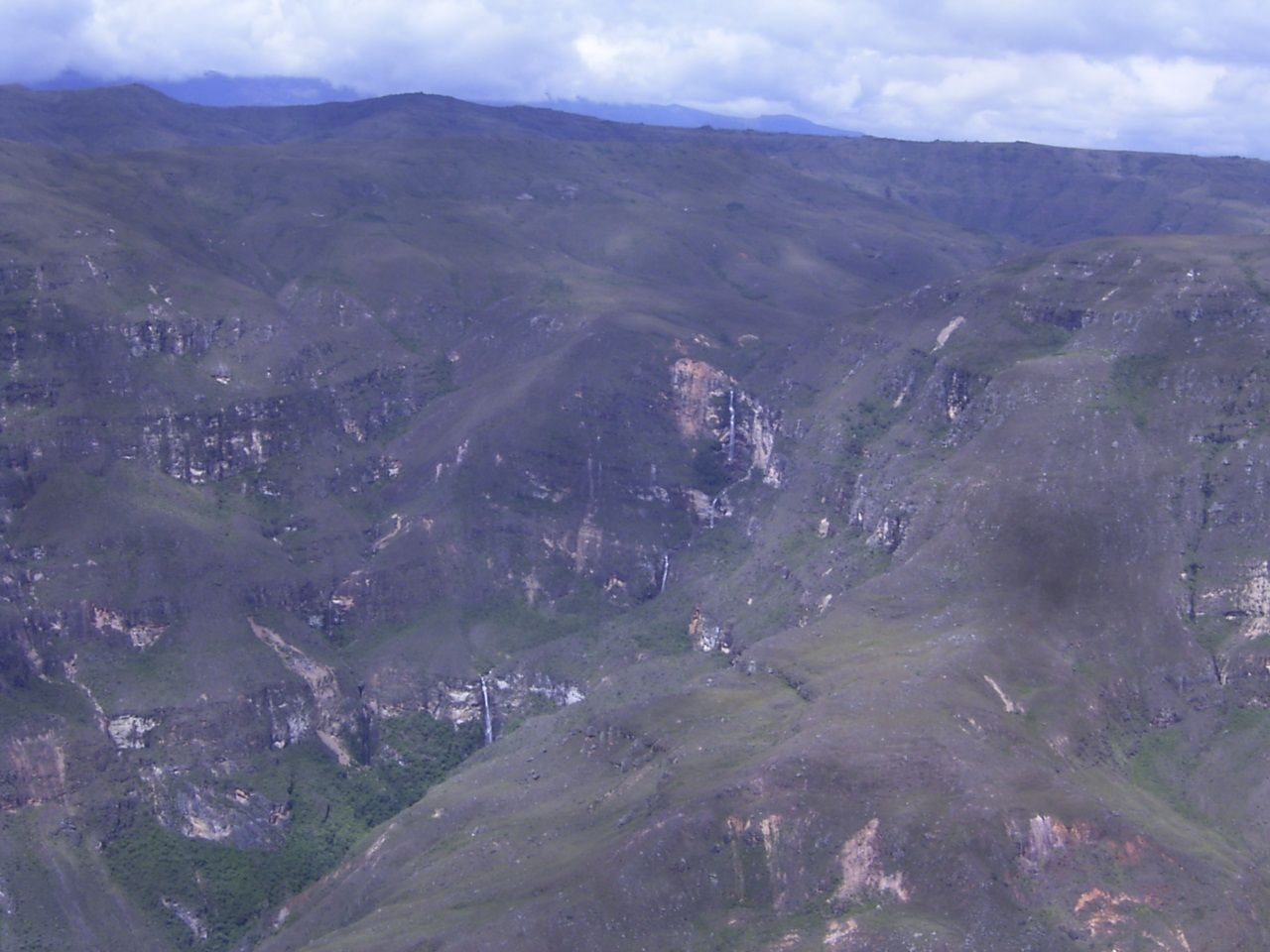
Once you are in the Amazonas region, land transportation between towns offers some of the most breathtaking scenery in the country. Roads wind through forested ridges and river valleys, and the views tend to be one of the highlights of any trip here rather than something to endure between stops. Travellers often find that the routes themselves are part of the sightseeing, with photo stops and slow corners that invite you to simply watch the landscape change.
Because the region is spread out and the sites sit at varying altitudes, most visitors plan their days around half-day or full-day excursions rather than quick hops. Local transport options, including colectivo vans and taxis, are the everyday ways people move between Chachapoyas and nearby villages, and the relaxed rhythm of these rides sets the tone for the whole visit.
Weather and seasonal context
Chachapoyas sits in a highland pocket where the climate feels mild and damp for much of the year, with the surrounding cloud forest giving the air a soft, humid character. Because the town is at elevation, temperatures tend to be comfortable rather than hot, and mornings often start cool before the day warms up. The whole region sits within a broader zone where rainfall is part of the landscape, so packing layers and a light waterproof jacket is a sensible default rather than a worry about a specific forecast.
For travellers thinking about timing, the useful approach is to check a detailed month-by-month overview for Chachapoyas before booking, rather than relying on assumptions borrowed from coastal Peru or the Andes further south. Local weather patterns here are their own thing, and conditions can shift quickly between bright morning sun, afternoon mist, and evening drizzle. The flip side is that the lushness of the forest — and the volume of water pouring over nearby waterfalls — is part of what makes the region so striking.
Pacing the day around the weather tends to work well: lean into outdoor sights during the clearer morning hours, save museums and plazas for the softer afternoon light, and keep an umbrella or packable rain jacket within reach. Travellers who build their plans around flexibility tend to enjoy Chachapoyas the most, because the weather rewards patience more than it rewards a rigid schedule.
Attractions and planning your days
Chachapoyas is small enough to walk across in a morning, but the surrounding region is what most travellers come for. The town itself is a calm base, with a central plaza, a handful of cafés, and a quietly appealing sense of being a real working city rather than a museum piece. From here, a handful of standout experiences radiate outward.
The Gocta waterfalls are widely cited as one of the most breathtaking places to visit in the Chachapoyas region. Hidden in the forested hills, the falls reveal themselves gradually as you approach, which only adds to the sense of discovery. Most visitors plan a full day for the trip, combining the hike with time to simply stand and take in the scale of the water as it drops into the valley below.
For travellers interested in the cultural and archaeological side of the region, the Museum of Leymebamba is regarded as one of the most interesting museums in Peru. It holds artifacts from the area's pre-Columbian past and offers a valuable context for understanding the broader Chachapoya culture that gives the region its name. Pairing a museum visit with a slower afternoon in town is a comfortable rhythm, especially after an early start on the trails.
Beyond those headline stops, the wider Chachapoyas area is threaded with archaeological sites, scenic viewpoints, and traditional villages. A complete guide to the region's attractions will inevitably include multiple day trips from the city, and it is worth slowing down to consider which sites genuinely interest you rather than trying to tick every box. The Routes of the Ecomuseum of Chachapoyas, for instance, offer a structured way to understand the surrounding landscape through its cultural and natural heritage.
When planning, it helps to remember that many of the most rewarding experiences here involve some driving and some walking. Building a loose itinerary with one major outing per day, and leaving room for slow mornings in the plaza or unhurried meals, tends to feel far more satisfying than packing the schedule tight.
A few practical notes for the road
A little preparation goes a long way in Chachapoyas. Because the town is small and relatively remote, cash is handy to have on hand for smaller establishments and rural sites. Spanish is the working language, so a few basic phrases or a translation app can smooth out transport negotiations and meal orders. Layers are essential regardless of season, and sturdy footwear makes the difference between enjoying the trails and merely surviving them.
The slower rhythm is the real luxury here. Chachapoyas rewards travellers who treat the journey as part of the destination, who wake up without a strict agenda, and who let the cloud forest, the waterfalls, and the ancient sites reveal themselves at their own pace.
Factual travel conditions can change over time, so it is always wise to verify transport schedules, opening hours, and entry requirements through official channels or a trusted local source before departure.
Share this article
TOOLS FOR THIS PLAN
Make the Chachapoyas plan measurable
Choose a tool only when it answers the next question in your trip. Your values stay in the browser, and each tool offers a route back to this planning context.