A quiet Andean doorway between Venezuela and Colombia

San Cristóbal sits high in the Venezuelan Andes, wrapped in the kind of soft, shifting light that makes the surrounding hills feel closer than they are. It carries the dual rhythm of any border city: one foot turned toward the cool, green trails of the cloud forest, and the other turned toward the hum of cross-border commerce. Travelers tend to notice the altitude before they notice anything else — streets climb, breath shortens, and the air carries a fresher, damper sweetness than what most visitors expect from Venezuela. The mood is unhurried in the older center and livelier around the markets and transport hubs where trade pulses through.
If you are drawn to places where landscapes and economics visibly meet, where a single morning can mean mist over a páramo and an afternoon among traders exchanging goods across a frontier, San Cristóbal rewards a slow, curious visit rather than a checklist one.
Weather and seasonal context
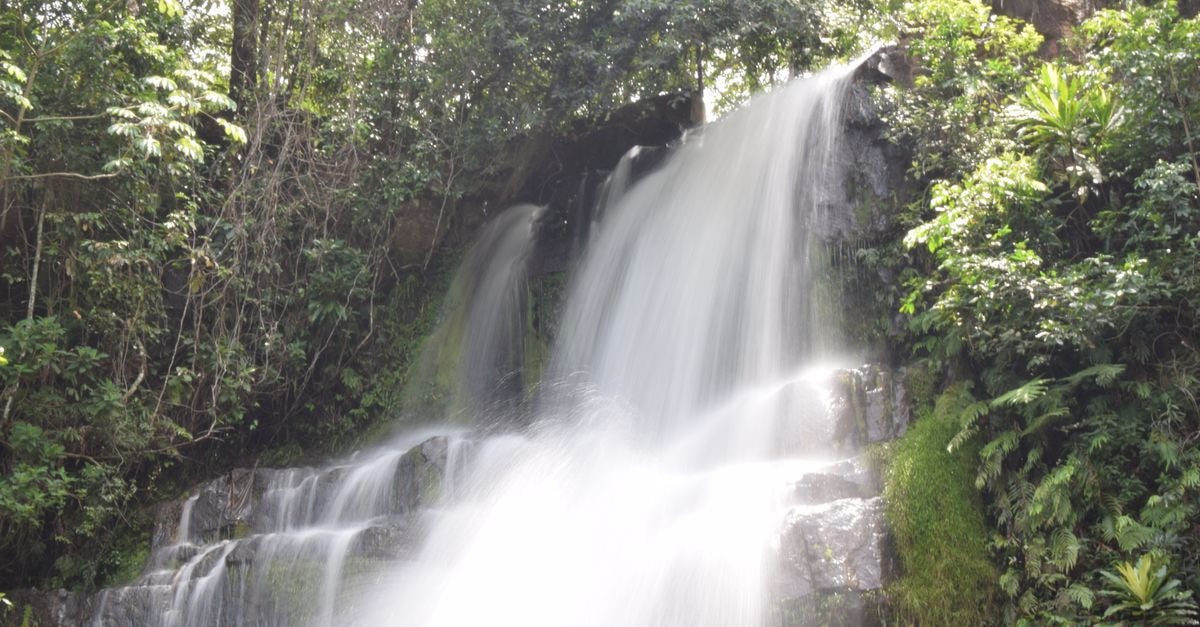
San Cristóbal is often described by trekkers as a base for cloud-forest trails and border trade visits, and that double identity shapes how the weather actually feels on the ground. The high-altitude setting means the climate leans cool and damp for much of the year, with frequent mist and the kind of fast-moving cloud cover that turns a sunny street into a grey, gentle drizzle within minutes. Mornings can feel brisk and layered clothing is more useful than a single heavy jacket.
For visitors, this translates into a few practical habits worth adopting. Days are easiest when you treat the weather as a mood rather than a schedule: a light waterproof layer, comfortable walking shoes with grip, and a willingness to pause under an awning when the clouds roll in. The flip side is that the same cloud cover gives the surrounding forests their lush, almost surreal greenery, and it is part of what makes the area appealing to hikers in the first place.
Because the climate here is shaped by elevation and cloud systems rather than a single predictable dry season, pacing the day around the weather rather than against it tends to work better than chasing a fixed outdoor plan.
Getting around and budgeting in a border economy
San Cristóbal can be read as either an affordable or an expensive destination, depending on travel style and choices, and this ambiguity is worth taking seriously before arrival. Budget options exist for travelers willing to keep things simple, while luxury accommodations and dining can noticeably increase overall costs for those leaning toward comfort.
The wider economic picture matters here too. The city sits within a country where prices can feel volatile and cash availability can shift, so daily costs for basics often land somewhere in the rough range of roughly US$40–80 per day, not counting hotels and intercity transport. That range is best treated as a working estimate rather than a guaranteed figure, and carrying sufficient local cash tends to make moving through the city smoother than relying on a single payment method.
For getting around the city itself, the practical approach mirrors the budget reality: local transport, walking, and a flexible attitude toward the day's plan work best. Border-city traffic patterns are unpredictable, especially around commercial hours, and giving yourself extra time between any appointments — whether a trailhead transfer or a meeting at a market — usually pays off.
Food and the wider Venezuelan table
San Cristóbal does not need to be sold as a culinary capital to be enjoyable for a curious eater, but it does sit inside one of the most distinctive food cultures in South America. Understanding that wider Venezuelan context helps visitors read menus, anticipate portions, and appreciate what shows up on a simple plate.
Venezuela's culinary identity is often described as a place where the Caribbean meets the Andes, and that meeting is felt in kitchens across the country. Traditional dishes tend to lean hearty, communal, and built around a handful of deeply familiar ingredients. Among the most recognizable are arepas: cornmeal patties griddled until the exterior forms a thin, crackling shell while the interior stays steamy-soft. They are eaten at nearly every meal and treated less as a single dish than as a daily canvas for whatever filling is at hand.
Meals around Venezuela also tend to carry a social rhythm worth recognizing. Family gatherings and shared plates are central, and there is a quiet insistence in Venezuelan cooking that comes from maize, which anchors both everyday and festive tables. For visitors, the practical takeaway is simple: expect generous portions, expect to share, and expect the arepa to appear in some form at almost every sitting.
A few practical notes before you go
A short, evergreen visit to San Cristóbal works best when expectations are kept light and a few realities are accepted up front. Cash in small denominations tends to be useful, prices can move with inflation between one visit and the next, and the city's identity shifts visibly between its trekking community and its border-trade rhythm. Walking the older streets, pausing for a long lunch built around an arepa, and letting the cloud cover set the pace of the afternoon tends to capture the spirit of the place better than any rushed itinerary.
For currency, any local price quoted should be treated as a reference point only; the actual exchange rate and purchasing power at the time of travel will vary, and checking the current rate before exchanging money is always wise. Factual travel conditions — including prices, transport availability, and local rules — can also change, so confirming key details through official channels before departure is a sensible final step.
The reward for that patience is a city that feels distinct from Venezuela's Caribbean coast and its Caribbean-coast headlines: cooler, greener, and quietly shaped by the meeting of mountain, forest, and frontier.
Share this article
TOOLS FOR THIS PLAN
Make the San Cristóbal plan measurable
Choose a tool only when it answers the next question in your trip. Your values stay in the browser, and each tool offers a route back to this planning context.