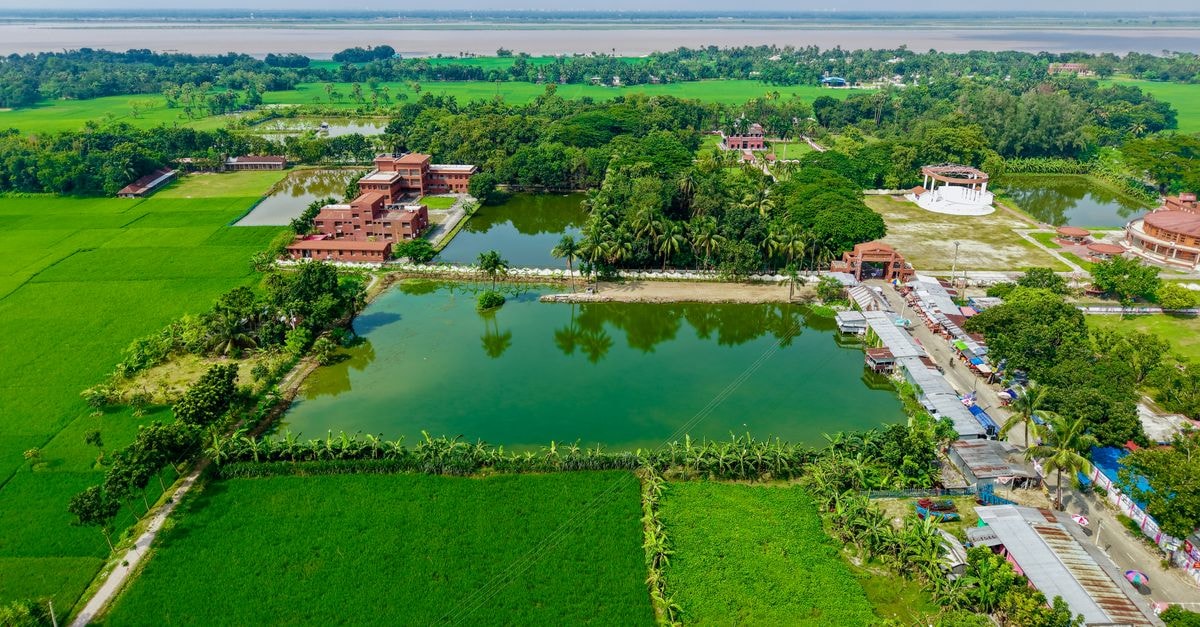
Chaoyang offers a compact introduction to Liaoning through Buddhist history, regionally grounded cooking, and weather that changes noticeably across the year. Rather than imposing a fixed itinerary, this Chaoyang travel guide helps travelers choose the kind of cultural stop, dining experience, and weather-aware planning that fit their interests.
Understanding Chaoyang’s Weather Pattern
Chaoyang is influenced by the East Asian monsoon, with rainfall concentrated in the summer months from June through August. That pattern can shape how visitors think about outdoor activities: a traveler who prefers warmer, drier conditions for long walks or sightseeing may consider concentrating more of a visit outside the summer rainfall period. This is broad seasonal context, not a forecast, so it should not be read as a guarantee for any particular day.
The city is also described as a place of refreshing summer scenery in western Liaoning’s deeper mountain areas, which gives its summer character a cooler, nature-oriented side. At the same time, summer is when the monsoon pattern places the strongest emphasis on rainfall. These two facts can sit together comfortably: travelers may still seek a scenic mountain escape, but should allow flexibility around conditions that can shift during wetter weather.
For anyone researching the best time to visit Chaoyang, the available evidence points to a simple decision rather than a precise calendar recommendation. If cooler mountain scenery appeals, summer is part of the destination’s identity; if avoiding the June-to-August rainfall concentration is the priority, consider another part of the year. No exact temperatures or current conditions are established here, so a live forecast remains necessary close to departure.
Buddhist Heritage at the Northern Chaoyang Pagoda
Buddhist heritage provides Chaoyang’s clearest cultural focal point. Precious Buddhist relics unearthed from the Northern Chaoyang Pagoda are displayed at the Northern Chaoyang Pagoda Museum, creating a direct connection between the pagoda’s archaeological significance and the museum experience.
This visit may particularly suit travelers who want to understand Buddhism in the context of Northeast China rather than simply moving between general city attractions. The museum display offers a defined focus for history and religious-art interest, while the pagoda name gives the visit a clear museum-and-site context. The available information does not establish opening hours, ticketing, guided-tour schedules, accessibility, or how much time to allow, so none of those details should be assumed.
Keep the visit purposeful rather than trying to turn it into a broad sightseeing claim. If Buddhist relics and regional history are central to your travel interests, the Northern Chaoyang Pagoda Museum is the best-supported cultural visit in this guide. If that subject is not a priority, the evidence here is too narrow to recommend additional attractions that have not been verified.
Dongbei Flavors and Hotel Dining
Chaoyang’s cuisine aligns with the general characteristics of Dongbei, or Northeastern Chinese, cooking. That regional connection is useful context for orienting yourself with familiar flavors while still recognizing that the evidence does not identify particular dishes as Chaoyang-exclusive specialties.
A traveler interested in regional food may therefore treat Chaoyang as a place to explore within a broader Dongbei culinary context. Avoid promising a specific local specialty based only on the regional label: the available facts do not name signature dishes, restaurant menus, market stalls, or neighborhood dining traditions. Any dish-level recommendation would go beyond what has been verified.
Fine dining is a documented option, though such places are described as few and found mainly in high-end hotels such as the Chaoyang International Hotel or Wanda Realm. If hotel-based dining suits your travel style, these named properties provide a practical point of reference. Keep in mind that the evidence identifies the broader fine-dining setting rather than confirming a particular restaurant’s current operation, menu, price, or reservation requirements.
Choosing What Fits Your Trip
Travelers can balance the city’s supported experiences according to their interests. History and Buddhist heritage point most directly toward the Northern Chaoyang Pagoda Museum, where relics associated with the pagoda are displayed. Food-focused visitors can explore the general Dongbei character of Chaoyang’s cuisine, while those seeking a more hotel-centered meal may consider the fine-dining setting associated with the Chaoyang International Hotel or Wanda Realm.
Weather preferences deserve a different kind of decision. Summer can bring refreshing mountain scenery in western Liaoning, but June through August is also when the East Asian monsoon concentrates rainfall. If uninterrupted outdoor sightseeing matters more, travelers may prefer to plan around that documented rainfall concentration rather than treating summer as automatically ideal. If cooler mountain conditions are desirable, summer remains relevant despite the need for weather flexibility.
The evidence supports a focused visit built around Buddhist history, regional food context, and seasonal awareness. It does not provide enough verified detail for prices, transport schedules, current attraction status, or a guaranteed day-by-day plan.
Before departure, check live weather forecasts and confirm current venue and dining information through official channels. Travel conditions, operating arrangements, and access details can change.
Share this article
TOOLS FOR THIS PLAN
Make the Chaoyang plan measurable
Choose a tool only when it answers the next question in your trip. Your values stay in the browser, and each tool offers a route back to this planning context.