A Coastal Welcome to Fujisawa
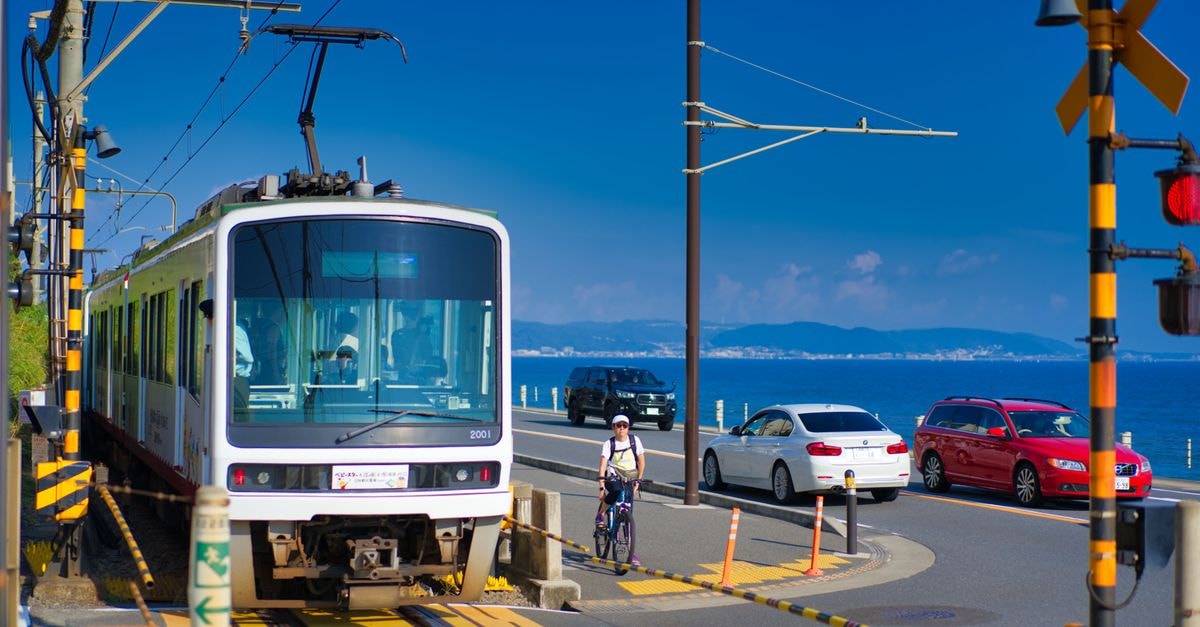
Fujisawa sits where the rhythm of Kanagawa meets the sea breeze of the Shonan coast, and it has a quietly magnetic pull for travelers who prefer their Japan itineraries a little less crowded. The municipality stretches inland toward the Shonandai district and reaches out to Enoshima island, giving visitors a rare combination of residential neighborhoods, harbor views, and coastal landscapes within a single city footprint. Travelers who like to slow down, walk, and let a place reveal itself gradually tend to find Fujisawa rewarding rather than overwhelming.
This guide leans into that slower mood. Rather than chasing a checklist, the idea is to settle into Fujisawa's everyday texture — the way the light shifts over the rooftops, the calm of the train corridors, and the food culture that travelers are likely to encounter in passing. Because the source material for this destination focuses on a few clear pillars, the guide is intentionally compact: it concentrates on weather context, getting around, and the broader Japanese food and dining culture that visitors may come across while exploring.
Weather and Seasonal Context
Fujisawa's coastal location is the single biggest influence on how a day feels here, so a little climate awareness goes a long way. The city's weather can shift noticeably with the season, and what looks like a calm morning along the waterfront can turn breezy by the afternoon. For travelers who are sensitive to wind or who plan to spend long hours near the shore, building in flexible timing rather than a rigid schedule tends to make the day flow more smoothly.
A traveler-fit note: visitors who prefer gentler conditions along the coast may want to pace outdoor time for the warmer middle of the day, when the sea breeze is often softer and walking between neighborhoods feels more relaxed. Those who enjoy cooler, crisp coastal air may enjoy early morning or late afternoon walks, when the temperature typically settles and the light over the bay is at its most atmospheric. Because the exact conditions on the day of travel are never guaranteed, it is worth treating the weather as a planning companion rather than a fixed script — checking a live forecast before setting out, and letting the day's rhythm adapt to what the sky is actually doing.
The broader point is that Fujisawa rewards travelers who read the weather honestly. A light layer for sea breeze, sun coverage for the bright stretches, and patience for the occasional overcast afternoon will serve almost any visit well. None of this is unusual advice for a coastal Japanese city; it simply matches the kind of pace the Shonan coast invites.
Getting Around
Fujisawa is best understood as a municipality rather than a single dense center. The municipal footprint includes the Shonandai district inland and Enoshima island offshore, which means getting around often means choosing between two characters of movement: the calm, residential streets of the inland neighborhoods and the more open, sea-facing paths closer to the coast.
For travelers who like to stitch a city together on foot and by local rail, this dual geography is a quiet advantage. The inland side, including Shonandai, tends to feel more like an everyday Japanese town — useful for slowing down, observing routines, and finding small neighborhood stops without the pressure of a famous landmark pulling the schedule forward. The coastal side, shaped by the proximity to Enoshima island, leans more toward the open horizons and walking routes that Fujisawa is widely appreciated for.
A few practical considerations are worth keeping in mind. Local movement between these zones is generally straightforward, but because the city spans more than one character of landscape, planning where to base oneself and which direction to head first can shape the entire feel of the day. Travelers who prefer harbor views and open walking paths may want to orient their time toward the coast, while those drawn to a quieter, more residential rhythm may prefer to drift through Shonandai. Neither choice is a mistake; they simply suit different moods.
Because this guide is evergreen, it deliberately avoids any specific timetable, route number, or service frequency. Schedules and access details are best checked through official transit and municipal channels on the day of travel, especially for the island connection, where conditions sometimes shift with weather and season.
Food and Local Context
Fujisawa does not need to be framed as a culinary capital to be interesting on the food front. Instead, the city sits comfortably inside a much wider Japanese food culture that visitors are likely to encounter wherever they go. Thinking of meals here as a small window into that larger culture tends to be more rewarding than hunting for a single signature dish.
Japan's identity as an island nation shapes the seafood culture across the country. Where warm and cold currents meet, fishing fleets bring in rich yields, and that abundance has built a seafood culture that is distinctive to Japan as a whole. Visitors to Fujisawa, sitting along the Shonan coast, will often find themselves near markets and casual spots where that coastal food culture is visible in some form, even when the specific venue is not highlighted in any guide. Travelers who enjoy fish-based meals, grilled seafood, and the lighter end of Japanese cuisine may find this aspect of the trip particularly satisfying.
Alongside seafood, agricultural traditions are part of the same wider picture. Across Japan, local farms grow produce that has shaped the country's washoku culture, and visitors can come across that influence in everyday meals — from simple vegetable side dishes to the careful seasonality that runs through Japanese cooking. Travelers who are curious about washoku in its broader form, rather than a single local specialty, will find plenty to appreciate just by paying attention to what's in season at neighborhood shops and casual restaurants.
Dining itself comes in many shapes across Japan. Restaurants range from mobile food stands to centuries-old ryotei, from atmospheric drinking places to seasonally erected terraces and inexpensive chain shops. Japanese cuisine as a whole has a wide variety of dishes and regional specialties, and dining out includes its own table manners and a familiar rhythm of how meals are ordered, served, and enjoyed. For visitors in Fujisawa, this means the experience of eating out is likely to feel varied and approachable, whether the moment calls for a quick bite between train stops or a longer, more relaxed sit-down meal.
A traveler-fit note: travelers who enjoy exploring local food culture through small, informal settings — a casual counter, a market stall, a neighborhood shop — may find Fujisawa's everyday dining scene especially appealing. Those who prefer highly specific recommendations or structured food tours may want to look for current guides closer to their visit, since this evergreen piece intentionally does not name particular establishments or dishes.
Choosing What Fits the Trip
Because Fujisawa offers two clear characters — the inland residential calm of Shonandai and the open coastal mood near Enoshima — the trip often comes down to a single early choice. Travelers who want quiet streets, slower walks, and a sense of everyday Japanese life may find Shonandai and the surrounding inland neighborhoods suit them best. Those drawn to sea air, harbor views, and longer coastal walks will likely prefer to anchor more of their time near the water and the island approach.
A relaxed pace, a light layer for the breeze, and an openness to the wider Japanese food culture will carry most visitors well. The city rewards those who treat it as a mood rather than a checklist.
Before You Go
Conditions in Fujisawa — especially weather, transit details, and the operating rhythm of coastal spots — can shift quietly over time. Even in an evergreen context, it is always worth confirming the essentials through official transport, municipal, and weather sources before and during your visit. Travel information is most useful when it is fresh, and this guide is meant as a starting point rather than a final reference.
Prices, opening hours, schedules, reservation rules, and local conditions can change; verify them through official channels before departure.
Share this article
TOOLS FOR THIS PLAN
Make the Fujisawa plan measurable
Choose a tool only when it answers the next question in your trip. Your values stay in the browser, and each tool offers a route back to this planning context.