Attractions and planning

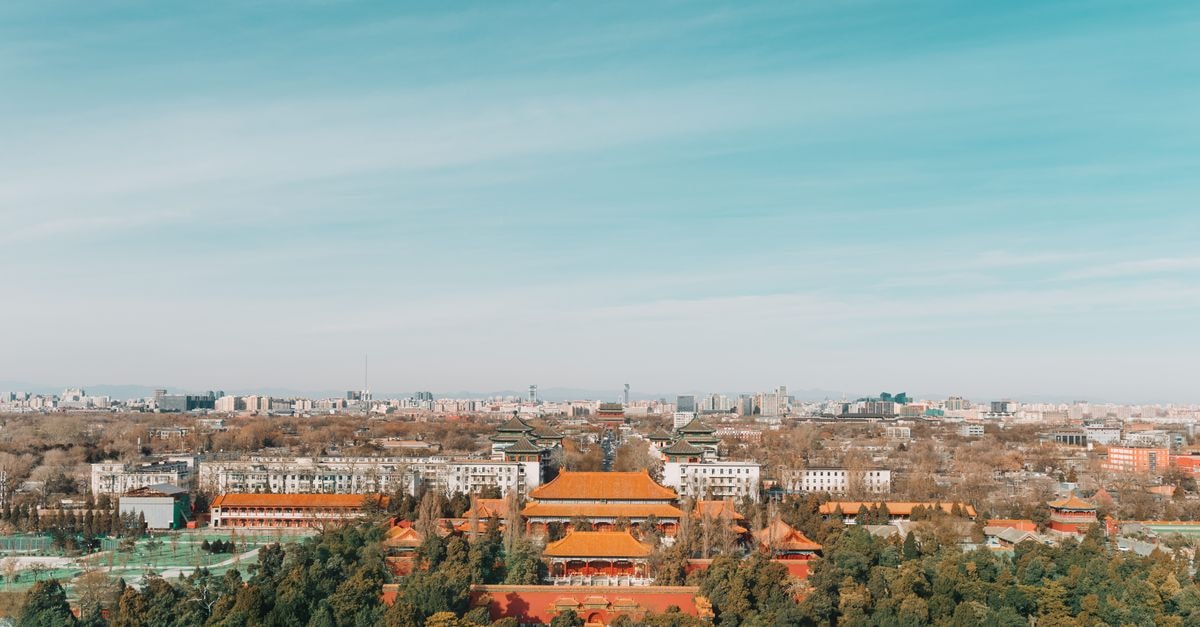
The Mountain Resort of Chengde is widely described as the largest royal garden in China and stands as the headline sight in the city, much as the Terra Cotta Warriors anchor a visit to Xi'an. It sits at the center of most travelers' interest and pairs naturally with the surrounding Eight Outer Temples, which together give the area its distinctive blend of imperial architecture and sweeping landscape design. Because the resort is so large and culturally dense, it suits visitors who enjoy wandering through gardens, lakes, and wooded paths rather than ticking off a quick photo stop.
Beyond the resort, Chengde is recognized for preserving a wealth of cultural heritage sites across the wider city. That broader preservation means there is more to explore beyond the main royal complex, and travelers with a few extra days can layer in additional historic stops. For visitors who want a more personalized route or have specific ideas about how to shape their time, local tour operators do offer customizable private tours around these heritage attractions, which can be useful if you prefer a curated pace or want to focus on particular themes rather than cover the full spread on your own.
A practical note for planning: because the heritage sites are widely spread and many carry deep historical context, consider setting aside generous time at the Mountain Resort rather than treating it as a single quick stop. Travelers who prefer a slower, more contemplative visit to gardens and temple architecture will likely find the pace here rewarding, while those hoping to pack in many cities on a tight schedule may want to weigh how much of their trip to devote to Chengde itself.
Food and local context
Chengde cuisine holds a distinctive place in Chinese regional cooking. It is described as a representative blend of royal court dishes and the heartier traditions from beyond the Great Wall, giving the local food scene a character that bridges palace refinement with northern frontier flavors. Unlike the more formal court dishes of the capital, Chengde's table leans on valuable, prized ingredients shaped by the needs of imperial banqueting, and many of the recipes still in use trace back to the Qing dynasty.
Among the most recognized dishes associated with Chengde are the Imperial Court Feast, Chengde Hot Pot, and barbecued meat. The Imperial Court Feast in particular reflects the city's royal heritage and is the culinary expression of the same imperial history that shaped the Mountain Resort and surrounding temples. For travelers curious about how place and palate connect, sitting down to a Chengde meal is one of the most direct ways to engage with the city's identity beyond its sightseeing.
Within the wider context of Chinese food traditions that visitors may encounter during their time in the region, communal hot pot dining and grilled or barbecued preparations are familiar formats that show up in many parts of the country. Travelers who enjoy shared, interactive meals may find Chengde's hot pot and barbecue traditions especially inviting, while those who prefer quieter, individual plating can still find options that reflect the local style. Because recipes and menus evolve, it is worth asking locally about current preparations and signature offerings at the time of your visit.
If your travel style leans toward understanding a destination through its food, consider treating at least one meal in Chengde as an intentional experience rather than a refuel stop. Choosing a setting that reflects the city's court-and-frontier heritage, and giving yourself time to explore a few courses, can turn a simple dinner into one of the more memorable parts of the trip.
Choosing what fits your trip
Because Chengde's appeal is largely cultural and historical rather than sprawling or fast-paced, the trip tends to reward a particular kind of traveler. If you enjoy gardens, temple architecture, and the layered stories of a former royal retreat, the Mountain Resort and the surrounding heritage sites will likely feel like the heart of the visit. If your interest runs deeper toward regional cuisine, the local court-influenced dishes give you a tangible way to connect with that same history at the table. Travelers who prefer a tightly packed urban itinerary in larger modern cities may find Chengde quieter than expected, and may want to plan accordingly so the slower pace feels like a feature rather than a gap.
Before you go
Conditions in Chengde can change over time, and details around opening times, access, and on-site services are best confirmed through official channels before you travel. Local tourism offices and verified operators can answer questions about the Mountain Resort, the Eight Outer Temples, and the wider preserved heritage sites, as well as current arrangements for meals and private tours. Factual travel conditions may shift, so a quick check closer to your visit helps ensure the details in this guide still reflect what you will actually find on the ground.
Share this article
TOOLS FOR THIS PLAN
Make the Chengde plan measurable
Choose a tool only when it answers the next question in your trip. Your values stay in the browser, and each tool offers a route back to this planning context.