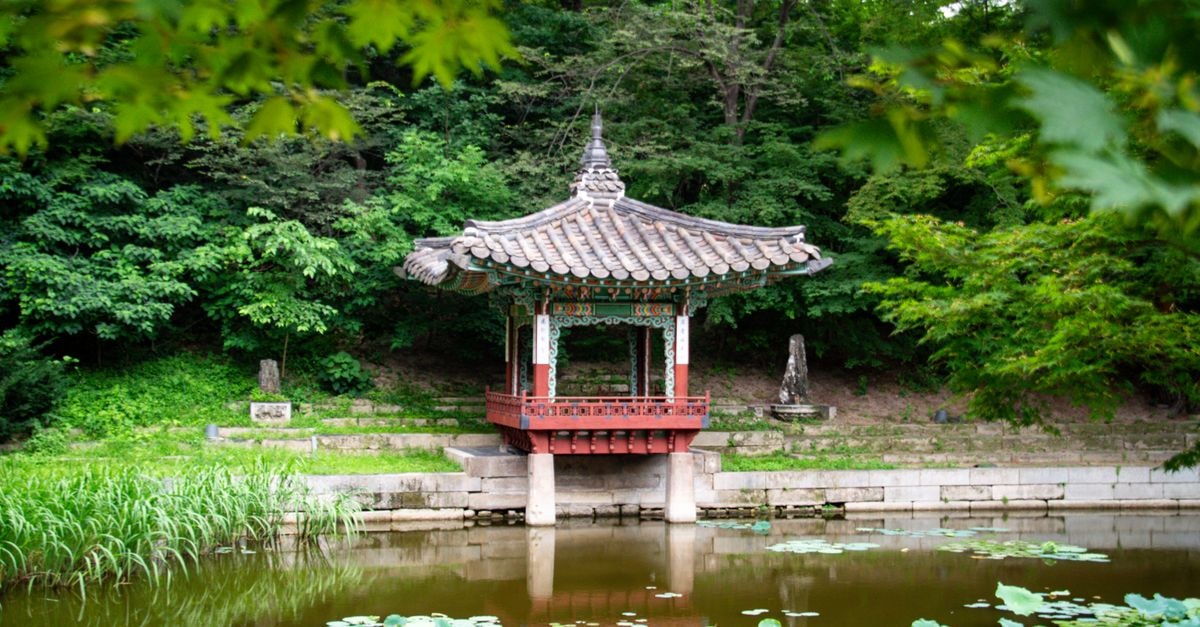
Chengguan Qu at a Glance
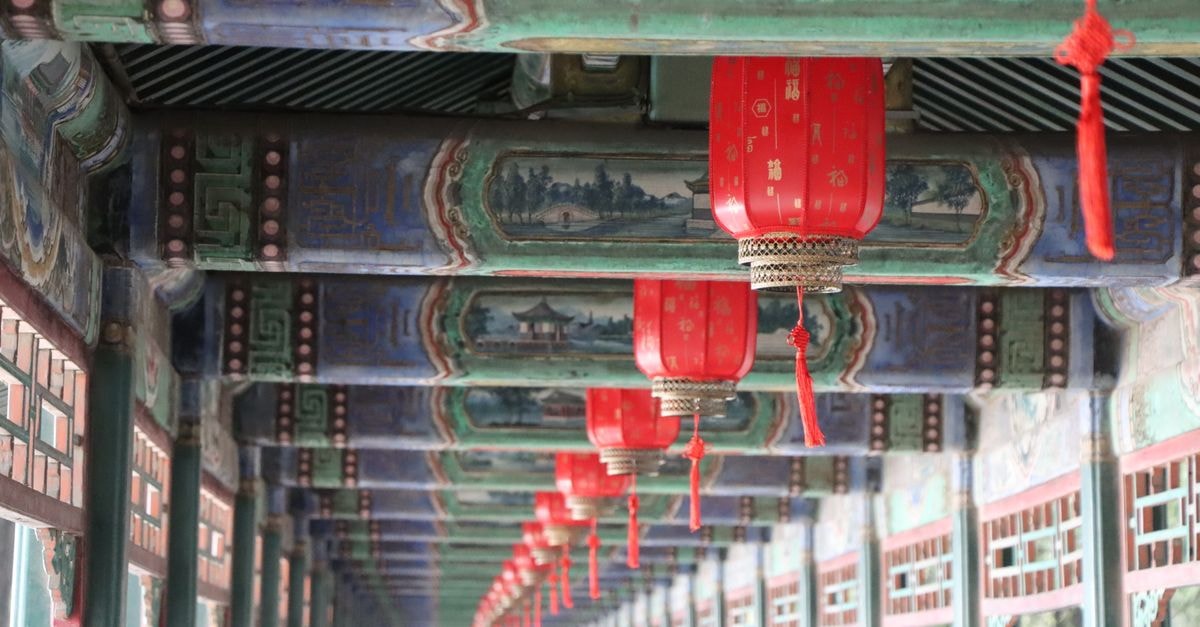
This district rewards visitors who want to balance outdoor space with a focused introduction to Tibetan art and regional archaeology. Norbulingka offers a palace-garden setting, while the Tibet Museum provides a different kind of cultural stop. Together, they form a compact theme for anyone planning around gardens, historical residences, museum collections, and the broader dining customs encountered in China.
Palace Gardens at Norbulingka
Norbulingka is the essential stop for travelers who want to experience this district through a palace and garden complex. The site served as the Dalai Lama’s summer residence, giving it a direct connection to Tibetan political and religious history. Its sprawling character also makes it appealing to readers who prefer a place where architecture and garden space can be explored as part of the same visit.
The site may suit visitors whose interest is specifically in historic residences or garden landscapes. Rather than treating it as a quick landmark stop, consider allowing enough of your own planning time to experience it at an unhurried pace. The available evidence establishes its identity and historical role but does not provide current opening times, ticketing information or accessibility details, so confirm those directly with an official channel before acting on them.
Art and Archaeology at the Tibet Museum
The Tibet Museum, also known as Xizang Bowuyuan, offers a contrasting perspective. Located east of the Potala, the modern museum presents regional archaeology, Tibetan art, and cultural exhibits. It may be a better fit for travelers who want context about material culture and artistic traditions, particularly if they prefer an indoor visit with a clearly defined subject.
Pairing a museum visit with Norbulingka creates a natural contrast between a curated cultural collection and a historic palace-garden environment. It does not need to become a fixed schedule: museumgoers can consider the Tibet Museum as a way to deepen their understanding of the region, while garden-focused visitors may choose Norbulingka as their principal cultural experience. Current opening hours, admission arrangements and practical facilities are not included in the available facts and should be verified before departure.
Wider Chinese Dining Context
Food encountered during a visit can be understood through the wider context of Chinese cuisine. China is known for a highly varied culinary landscape, and dining carries a long history shaped by ritual and etiquette. These are national points of context that visitors may encounter while eating in the city, not claims about a specific local specialty, restaurant or dish.
For travelers who are curious about dining customs, those broader traditions offer a useful lens. Eat according to the etiquette observed in the setting you visit, and remain attentive to local instructions rather than assuming that every custom is identical. The available evidence does not identify individual dishes, regional specialties, restaurants, prices or menus in this district, so it would be misleading to turn this national context into a specific local food list.
If you prefer trying different dishes during your visit, ask about what is being served and check its ingredients and preparation rather than relying on a generalized label. If dining rules matter to you, observe how others at the table interact with shared dishes and follow the host’s cues. These are general approaches to unfamiliar dining situations, not descriptions of a particular venue in this district.
Choosing What Fits Your Visit
The clearest choice is between two different cultural experiences. Norbulingka may suit someone drawn to historical residences, palace architecture and garden surroundings. The Tibet Museum may suit someone who would rather focus on archaeology and Tibetan art in a modern museum setting. Neither option is presented as universally preferable; the useful decision depends on what kind of attention you want to give the visit.
A flexible approach is also reasonable. Consider one as your main focus and the other as a complementary stop if both interests appeal to you. Food adds another layer of context, but the available material supports only wider Chinese dining traditions—not a curated itinerary through local restaurants. Keep that distinction in mind so that national customs enrich the visit without being mistaken for evidence of a specific local specialty.
Before departure, check official channels for current access, opening information and any facility details relevant to your needs. Factual travel conditions and arrangements can change.
Share this article
TOOLS FOR THIS PLAN
Make the Chengguan Qu plan measurable
Choose a tool only when it answers the next question in your trip. Your values stay in the browser, and each tool offers a route back to this planning context.