A Slow Look at Ulanqab
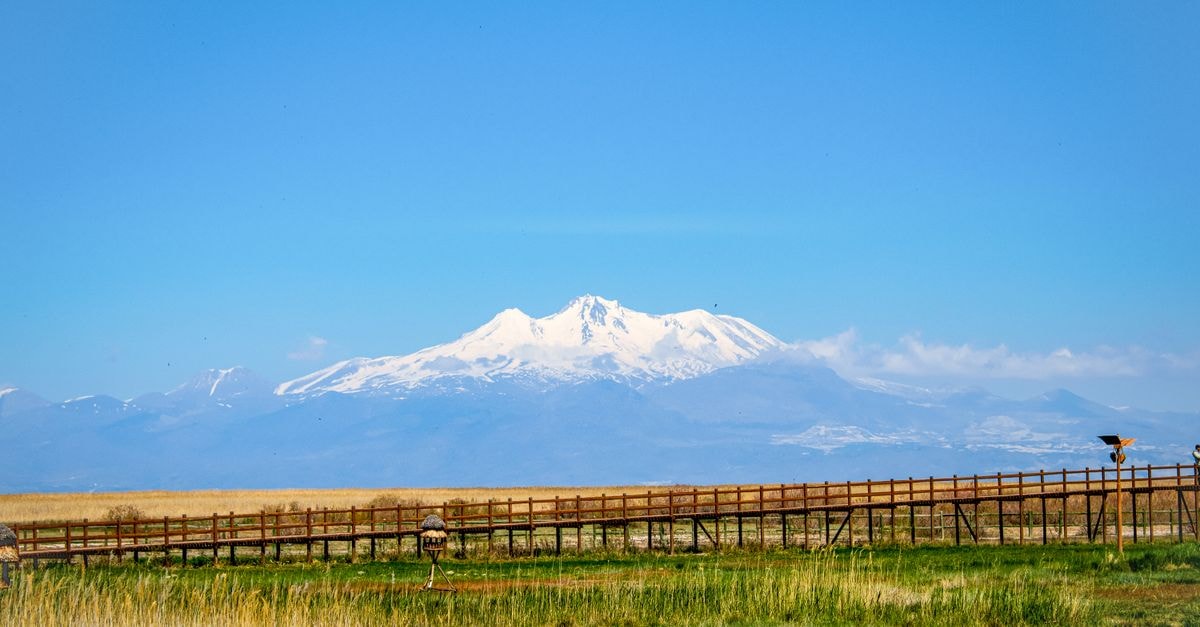
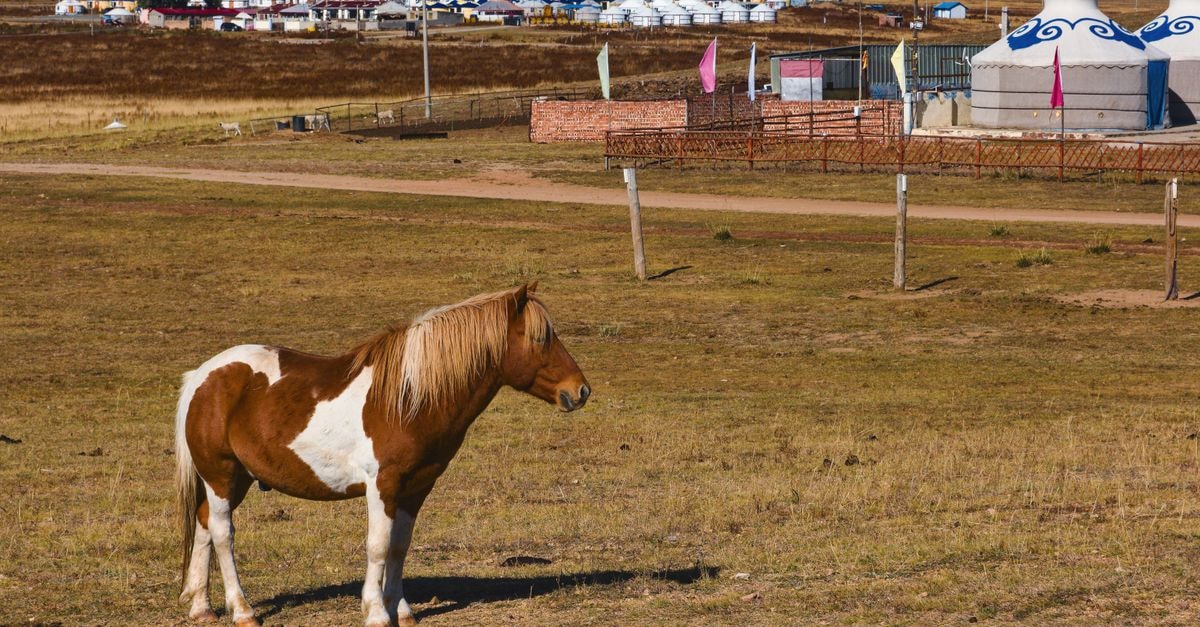
Ulanqab sits in central Inner Mongolia, where the horizon opens up and the scenery shifts from working towns to vast grasslands to clusters of volcanic cones that look like they belong on another planet. Travelers who like their destinations a little off the usual Chinese tourist trail tend to find a lot to enjoy here: long sightlines, unhurried pace, and the kind of terrain that rewards pulling over and just standing still. This Ulanqab travel guide focuses on what the approved evidence actually supports, so you can plan a visit that feels grounded rather than guessed.
The city works well as a base for travelers curious about the region's geology and steppe landscapes. If you like unusual natural scenery and wide skies, Ulanqab can be a refreshing change of pace from the busier stops on a northern China route.
Weather and Seasonal Context
Ulanqab's climate gives the city its character. Conditions in this part of Inner Mongolia can shift quickly between bright, breezy grassland days and colder stretches, so layering is a sensible habit. The grasslands sit at elevation and the wind has room to roam, which is part of why the scenery feels so expansive but also why temperatures can feel cooler than the calendar suggests.
If you are heading out to remote areas, be prepared for long, bumpy rides on unpaved roads. Travelers prone to motion sickness may want to plan ahead for that, as the rougher sections can be surprisingly long. There are also moments on the grassland where dairy-rich local products are common; if you are not used to them, easing in with small portions is the gentlest approach. The richness can catch people off guard, especially after a day of walking in thinner air.
Beyond the practical side, the volcanic field near the city is one of the most photographed features of the region. The surrounding grassland draws comments from travelers who describe the setting as incredibly beautiful, and some visitors enjoy the playful option of putting on a spacesuit at a nearby Mars-themed base for photos. Volcano No. 3 is the one with the only wooden boardwalk, and visitors often enjoy photographing the "Mars surface" look of the black and red mountain there. Independent travelers have noted that budgeting around 700 yuan per person per day, excluding hotels and intercity transport, has covered a comfortable experience of these sites and local meals, though individual costs will depend on your choices.
Food and Local Context
Eating is one of the most enjoyable ways to get to know a place, and Ulanqab's food scene is shaped by both Inner Mongolian pastoral traditions and wider Chinese dining customs. Visitors tend to notice that meals here can feel generous and social, with dishes arriving in a flow rather than all at once.
Wider Chinese dining culture treats eating as a meaningful ritual. Across the country, meals are taken seriously and tables are usually shared, with etiquette developed to a high degree over a long history. Travelers from places where everyone eats from their own plate sometimes find the shared-dish rhythm takes a meal or two to settle into. When in doubt, watching your hosts or fellow diners for a moment is usually the smoothest way in.
Within Ulanqab itself, dairy products show up frequently on local tables and are worth sampling in small amounts if you are not used to them, as they can be richer than what many visitors expect. The combination of meat-heavy dishes, milk tea, yogurt, and grain-based staples makes for filling meals after a day of exploring. If you prefer a lighter pace of eating, smaller portions and a slower tempo can help you enjoy the flavors without overdoing it on the first day. Travelers who enjoy hearty, savory food and are open to dairy may find the local table especially rewarding.
Getting Around and Pacing Your Days
The city is fairly easy to navigate for its size, with taxis and ride-hailing covering most in-town needs. For the grassland and volcanic sites outside the city, you will generally need a driver or a tour, since public transport thins out quickly once you leave the urban area. The rides to the more remote scenic spots can be long, which is part of why motion sickness preparation is worth thinking about ahead of time.
A relaxed pace tends to suit Ulanqab well. Two or three slow days give you room to spend a morning taking in a bit of regional context, an afternoon among the volcanic cones, and an unhurried evening sampling local food. Travelers who prefer to linger over a single landscape rather than rush through a checklist often enjoy the area most.
Picking What Fits Your Trip
Because Ulanqab's highlights are spread across the volcanic field and grassland settings further out, how you arrange transport shapes the whole trip. If you are drawn to unusual geology and don't mind a longer ride on sometimes unpaved roads, the volcanic area is the headline draw, and a half-day or full-day outing there pairs naturally with other slow regional stops. If wide open landscapes and pastoral food culture appeal more than dramatic rock formations, building a calmer day around a grassland visit, with slow meals and short walks, can be just as satisfying. Travelers who like photography, unusual scenery, or quiet natural spaces tend to find Ulanqab a particularly good fit, while those who prefer dense urban sightseeing or very short transfers between major sites may want to balance their expectations accordingly.
A Note Before You Go
Travel conditions on the ground can change, so checking official channels and local updates before departure is always wise. The volcanic field and grasslands are standard draws, but specific access, road conditions, and services in remote areas can vary. For current information on transport, weather, and any site-specific rules, local tourism offices and recent traveler reports are your best reference. Daily costs in the region can be modest for independent travelers, but your own choices around dining, transport, and any guided tours will shape what you actually spend.
This guide is meant as a starting point for planning an Ulanqab visit built around landscapes, slow meals, and the kind of wide-sky quiet that the area does best. Take it as a friendly nudge to look a little further past the usual Chinese itinerary highlights, and you may find one of the more quietly memorable stops in northern China.
Share this article
TOOLS FOR THIS PLAN
Make the Ulanqab plan measurable
Choose a tool only when it answers the next question in your trip. Your values stay in the browser, and each tool offers a route back to this planning context.