An evergreen Chenzhou travel guide for slow, scenic travel

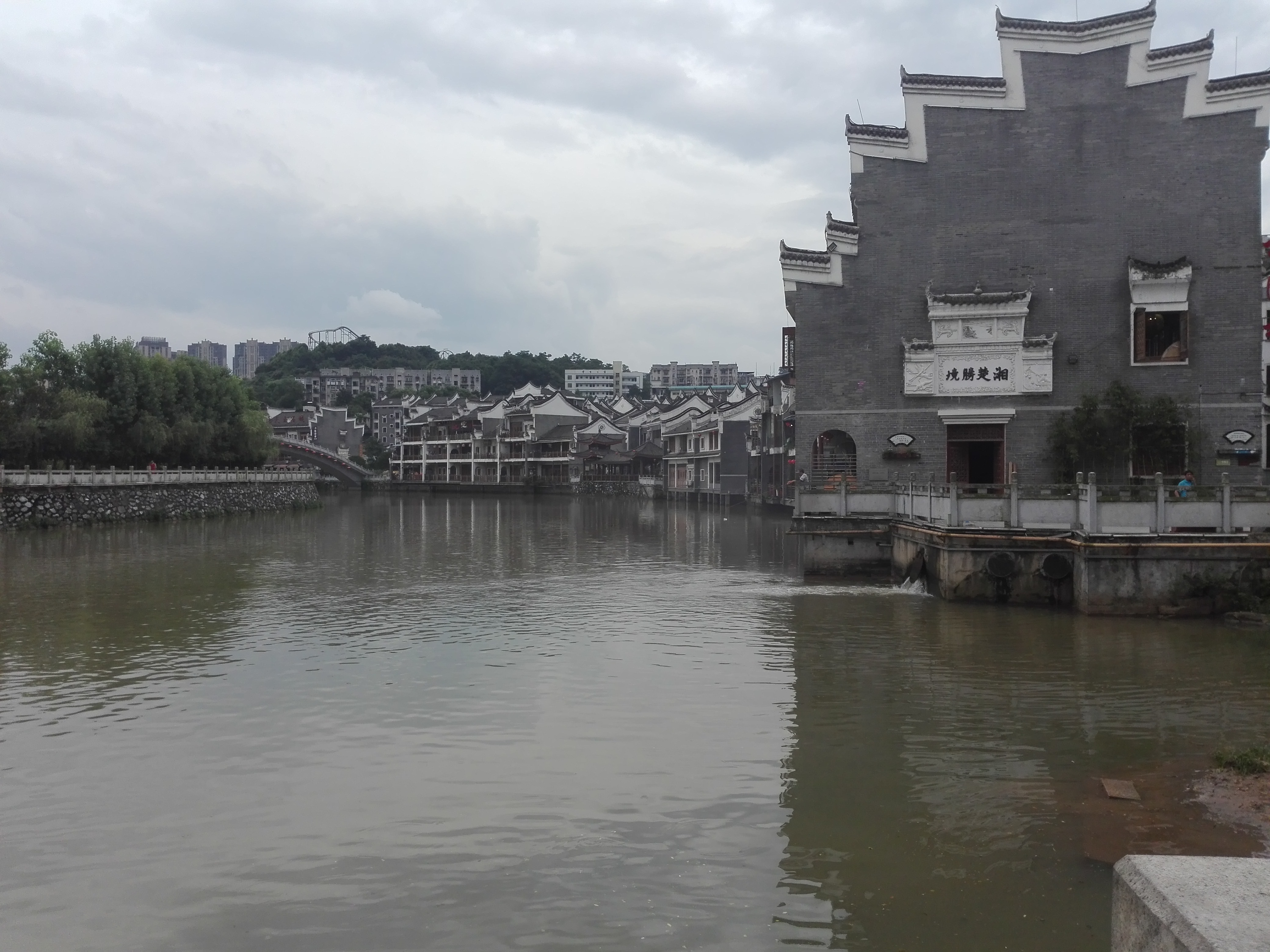
Tucked into the southern reaches of Hunan, Chenzhou is the kind of city that rewards travelers who come for landscape rather than a checklist. It is a gateway to a series of protected natural areas where red-rock ridges, forested mountains, and broad reservoirs unfold in different shades of green and ochre throughout the year. The city itself feels like a soft launch pad: small enough to settle into quickly, but pointing outward toward some of the most photogenic terrain in southern China.
This guide focuses on what is durably true about Chenzhou across seasons — the kind of place-by-place orientation that stays useful no matter when you visit. It leans on the evidence most worth a traveler's attention: the local climate baseline, how to move between the airport and the urban core, and the natural and cultural landmarks that anchor a trip.
Weather and seasonal context
Chenzhou's climate leans warm for much of the year, with an average temperature of 28°C (83°F) during the hottest stretch of the year. That figure sets the general feel of a Chenzhou visit: long, humid stretches of warmth that nudge visitors toward early mornings, shaded overlooks, and breaks by the water. Outdoor plans tend to breathe easier when scheduled around the cooler hours of the day, while midday heat is better spent in a museum, a teahouse, or a slow riverside lunch.
Because Chenzhou's appeal is so heavily tied to outdoor scenery, the rhythm of the day matters more than any single weather statistic. Plan heavy hikes for sunrise, save boat rides or village strolls for late afternoon, and treat any long scenic drive as an event in itself rather than a transfer. A light layer is still useful for evenings, especially near reservoirs and forested parks where the air cools noticeably once the sun drops.
Getting around
Most travelers arrive at Chenzhou Beihu Airport, which serves as the main aerial gateway to the city. Public bus service connects the airport with the urban area, making it straightforward to continue on to central Chenzhou without arranging a private transfer. Buses are a practical first move: they are inexpensive, they run on a published route, and they drop travelers close to the city's main road network where onward options are easier to arrange.
Once in the city, taxis and ride-hailing apps handle most short trips. For the natural sites outside the urban core — Dongjiang Lake, Gaoyiling, Mangshan, and Jiulongjiang — visitors typically arrange private cars, shared transfers, or guided day transport through local operators. Roads to the scenic areas are well maintained, but travel times can stretch because the destinations themselves are spread across hills and reservoirs, so it is worth giving each outing a generous block of time rather than stacking two far-flung sites into one day.
Attractions and planning
Chenzhou's headline draws all share a single through-line: striking geology and water meeting under wide southern-Hunan skies. The four anchor experiences below are the ones worth building a trip around.
**Gaoyiling.** Set within the broader Dongjiang Lake scenic region, Gaoyiling is Chenzhou's showcase of Danxia landform — the red sandstone cliffs and ridges that give so much of southern China its surreal color. The terrain here folds into wave-like ridges and exposed rock faces, and the visual contrast between rust-red stone and green vegetation is what makes it feel like walking through a painted landscape. It is the kind of place that rewards unhurried walking along the ridge trails rather than a single viewpoint.
**Mangshan National Forest Park.** South of the city, Mangshan is the region's deep-forest retreat. The park is known for its dense tree cover, mountain air, and quieter pace — a sharp change of mood from the open vistas of Dongjiang Lake and Gaoyiling. Within the broader Mangshan area, Banliang Ancient Village offers a counterpoint: a small historic settlement that adds a cultural layer to a primarily natural visit. Nearby, the Mangshan Forest Hot Springs sit at the gateway to the park and offer a softer, restorative way to spend an afternoon or an evening after long hikes.
**Jiulongjiang National Forest Park.** Located in the southeastern part of Rucheng County, Jiulongjiang extends Chenzhou's nature trail further into forested mountain country. It pairs well with a longer regional itinerary that includes the other anchor sites, and it tends to feel less crowded than the headline lakes and ridges.
A note for travelers
Chenzhou is not a single-attraction city; it is a chain of landscapes loosely stitched together by road, water, and ridge. The most rewarding trips treat the natural sites as separate, slow experiences rather than as a list to clear. Pair Dongjiang Lake and Gaoyiling into one stretch of days when the lake is your home base, then add Mangshan — and the hot springs at its gateway — as a quieter second act. Jiulongjiang works best as a deeper, longer detour for travelers with extra days and a taste for forest walking.
Practical conditions — bus schedules, road access, entry fees, and opening hours at individual scenic areas — can change. Before traveling, verify the latest details through official tourism channels or your accommodation, and treat the guidance above as a planning framework rather than a fixed timetable.
Verification note
Factual travel conditions in Chenzhou can change without notice. Bus routes, airport services, scenic-area access, and entry arrangements should be confirmed through official sources close to the date of travel, and current weather should be checked in the days before departure.
Share this article
TOOLS FOR THIS PLAN
Make the Chenzhou plan measurable
Choose a tool only when it answers the next question in your trip. Your values stay in the browser, and each tool offers a route back to this planning context.