A calm base between Seoul and the south coast

Cheonan sits in Chungcheongnam-do as a low-key Chungcheong city that many travelers pass through on the rail corridor without ever stopping. That is part of the appeal: the pace here is gentle, the streets are walkable, and the food scene leans local. This Cheonan travel guide is for travelers who want a quieter South Korea stop, the kind of place where you can settle in for a long lunch, browse a market, and still feel oriented rather than overwhelmed. It is also a useful pause for anyone building a broader Korea itinerary who wants a city that feels lived-in rather than curated.
If you are weighing things to do in Cheonan against bigger-name destinations, the honest framing is that Cheonan rewards a slower pace and a curious palate more than a checklist of headline sights. The guide below leans into what the city is genuinely known for, rather than padding the page with generic Korea tips.
Attractions and planning
Cheonan functions well as a discovery stop rather than a hard-ticking itinerary, and the city's own promotional framing leans that way too. Travel coverage built around the city invites visitors to look for things to do in Cheonan through local experience listings and a map view of attractions and stays, which is a useful cue: plan around neighborhoods, themes, and food anchors rather than a fixed route. Travelers who prefer to wing it lightly, checking a few options each morning and deciding on the weather, often enjoy this kind of city more than travelers who arrive with a rigid day plan.
In practical terms, that means:
- Decide which two or three anchors matter most to you before you arrive, so you are not paralyzed by choice. - Use the attraction listings as a shortlist filter, then walk the streets between them; Cheonan rewards aimless wandering more than it rewards back-to-back entries. - Pair your chosen sights with a market stop and a sit-down meal so the day has texture rather than feeling like a series of gates.
If you are the kind of visitor who enjoys letting a city reveal itself, this approach tends to suit Cheonan well. If you prefer a guaranteed, time-stamped itinerary with reservations attached, you may find the city's relaxed rhythm a little loose, and it is worth deciding in advance which attractions you want to lock down versus which ones you are happy to leave open.
Food and local context
Food is the strongest single reason to plan a stop in Cheonan, and the city has been actively leaning into that identity. Cheonan City itself released a published food guide titled "Delicious Trip to Cheonan," a curated booklet showcasing 91 of the city's eateries, which is an unusually rich resource for a city of its size. For travelers who like to follow a printed or digital food guide curated by locals rather than improvising entirely on their own, that publication is a reassuring anchor, and it signals that Cheonan takes its dining reputation seriously.
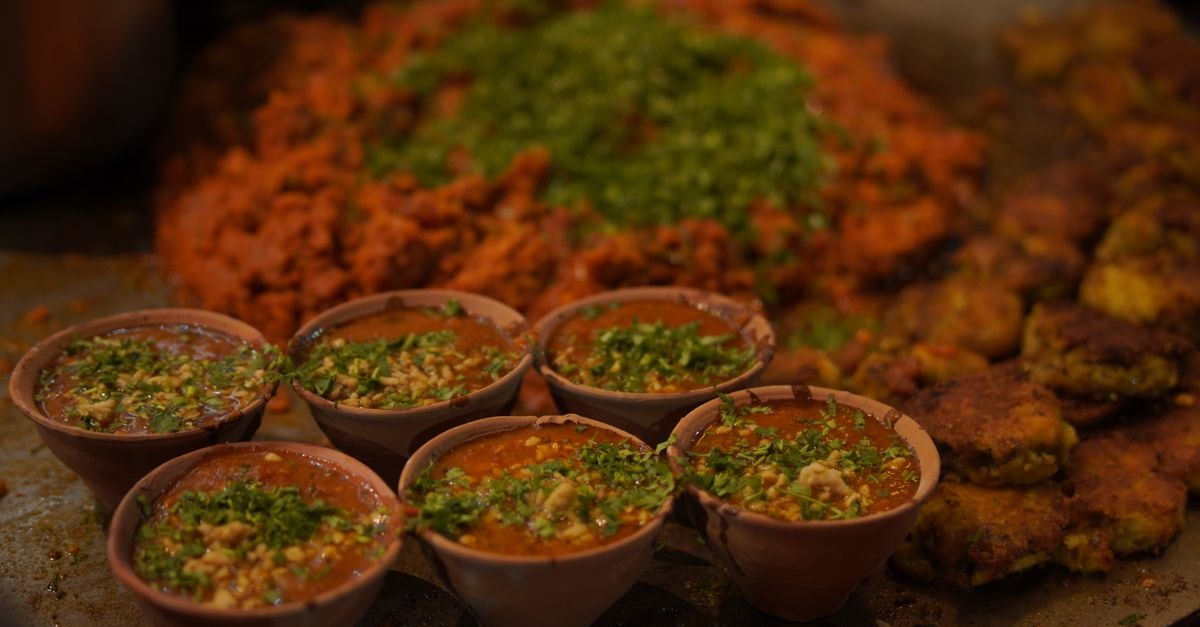
For everyday eating, Cheonan Jungang Market is the practical workhorse. It offers fresh produce, local goods, and various street foods, which makes it a natural lunch stop or a place to graze through the late morning. Market halls like this are also where you can read a city's daily rhythm most honestly: what people are buying for dinner that night, what is in season, and which stalls draw repeat regulars. Travelers who enjoy market-hopping as a way of getting oriented will find Jungang Market a comfortable entry point.
For evenings or a slower meal, Cheonan hosts several high-end and fine-dining restaurants focusing on Korean or international cuisine, useful if you want one refined dinner rather than a week of casual spots. Fine dining in a smaller setting often means shorter menus, more attention from the kitchen, and tables that feel like they are cooking for neighbors rather than tourists, which can be a real treat if you are willing to book ahead and dress slightly more neatly than you would for a market lunch.
As wider South Korea context that visitors will likely encounter while in the city, Korean cuisine in general is largely based on rice, vegetables, seafood and meats, and the Cold Food Festival is one of the better-known food traditions on the Korean calendar. None of this is unique to Cheonan, but it helps explain the shape of menus you will see: rice as the anchor, banchan as the constant, soups and gruels as everyday comfort, and grilled or braised meats for the occasions that call for something more substantial. Knowing that backbone makes it easier to read a menu you cannot fully translate, and easier to ask for what you actually want.
Choosing what fits your trip
Cheonan works best when the plan is shaped around eating and wandering rather than checking off monuments. If you love market food and are happy to follow a local curator's recommendations, the "Delicious Trip to Cheonan" guide plus a Jungang Market wander will easily fill a day or two. If you prefer refined Korean or international cooking, plan one fine-dining evening and let the rest of the meals stay casual. Travelers who enjoy letting a city reveal itself through its stalls and tables will get more out of Cheonan than travelers who arrive with a rigid checklist, and the city's relaxed pace is part of the reward rather than a gap to fill.
A few things worth verifying before you go
Because the city's dining scene is the main draw, it is worth confirming whether any specific restaurant or market stall you have read about is still open and what its hours are when you travel. Reservation habits, menu changes, and seasonal closures can shift quickly in a city with an actively promoted food guide, and a quick check on the day saves disappointment. Official city and tourism channels are the most reliable source for current opening information, and your accommodation can often point you toward whatever is freshest that week.
Factual travel conditions can change without notice, so always confirm details through official channels before you depart.
Share this article
TOOLS FOR THIS PLAN
Make the Cheonan plan measurable
Choose a tool only when it answers the next question in your trip. Your values stay in the browser, and each tool offers a route back to this planning context.