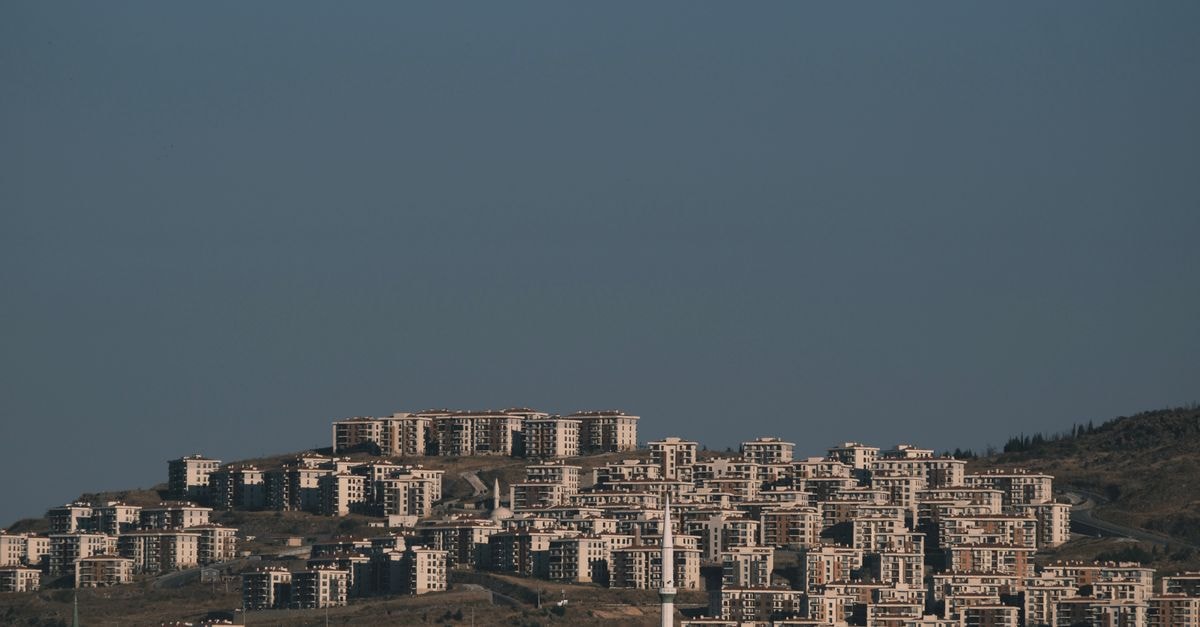
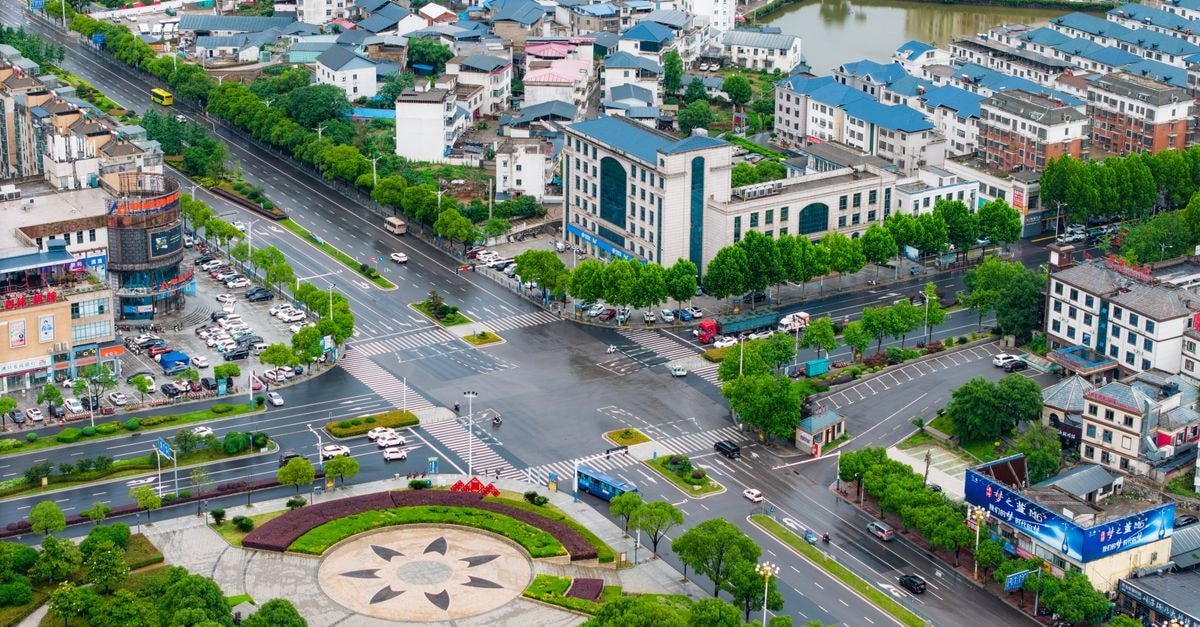
The feel of the place

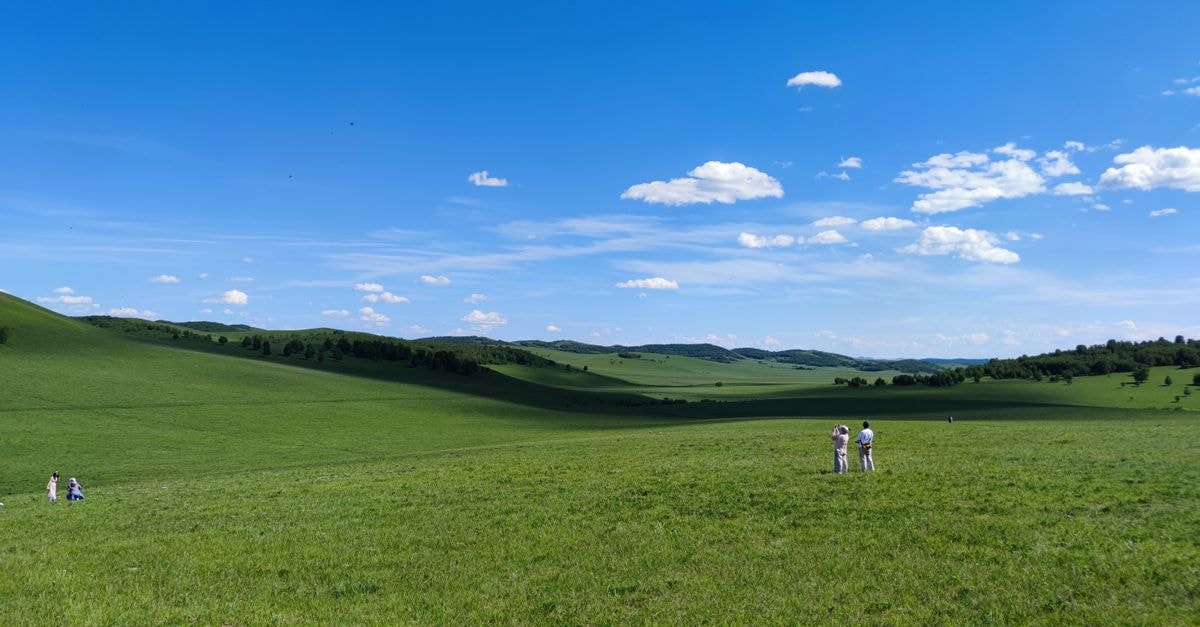
Chifeng sits in eastern Inner Mongolia and is often framed as a quieter counterpoint to Inner Mongolia's better-known grasslands. The name itself, drawn from a red mountain ridge, hints at the visual range visitors come for — rolling grasslands, white birch stands, lakes that mirror the sky, and stretches of weathered stone that feel sculpted rather than natural. Travelers looking for wide-open landscapes, geology that rewards a closer look, and an Inner Mongolia experience that doesn't require a long expedition into the far north tend to find Chifeng an intriguing base.
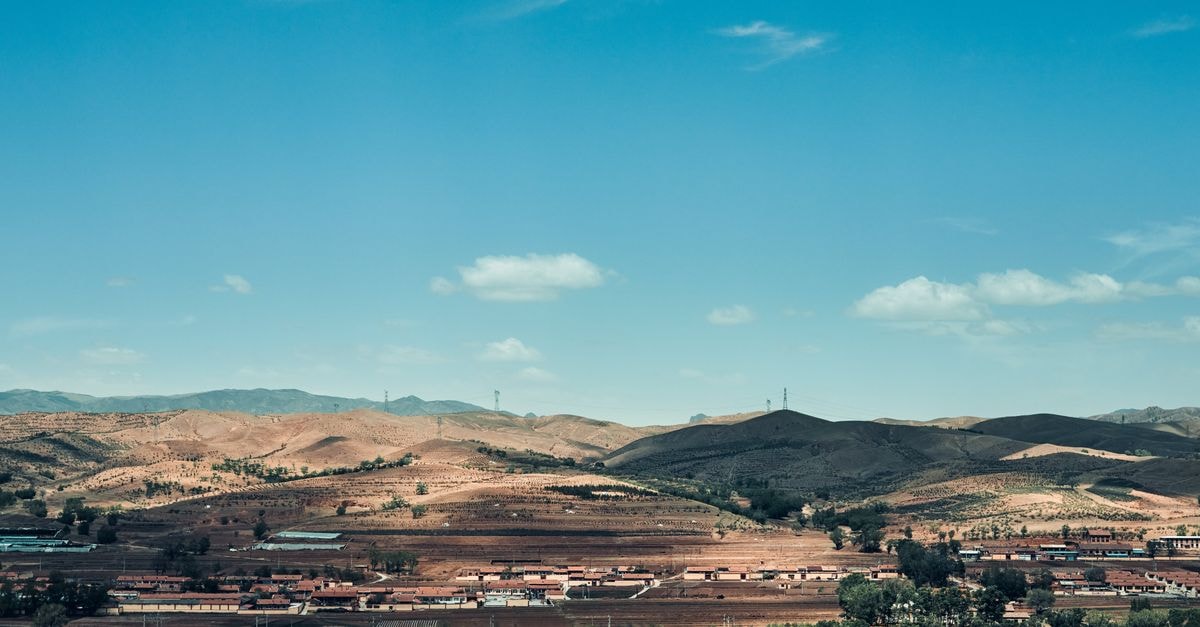
The city's appeal is variety in a compact geography: European-style grassland, birch woodland, lakes, dune country, and striking rock formations all fall within reach. That mix — rather than a single headline sight — is what tends to resonate with travelers planning to slow down and take in a less-trodden corner of China.
Getting around
Chifeng is reachable from Beijing by high-speed rail, which makes it a workable destination for travelers who'd rather not piece together a longer overland route. From the city, road-based transport opens up the surrounding landscapes. One documented itinerary leg describes roughly a three-hour drive from Chifeng's urban area toward the regional stone forest, a route used to reach the area's distinctive geology. Plan road travel with that kind of buffer in mind — distances are real, and the reward is scenery that rewards unhurried timing rather than a tight schedule.
If you'd prefer not to self-drive, regional transport options typically include buses and arranged drivers for the longer grassland and stone-forest excursions; it may suit travelers to confirm current schedules and pricing through the local station or a reputable operator before committing to a day outside the city. Travelers who prefer doorstep logistics might consider booking a known local driver for a half- or full-day run, especially when multiple stops are involved, while independent travelers comfortable with longer Chinese bus rides will find the same landscapes reachable by public road transport.
Attractions and planning
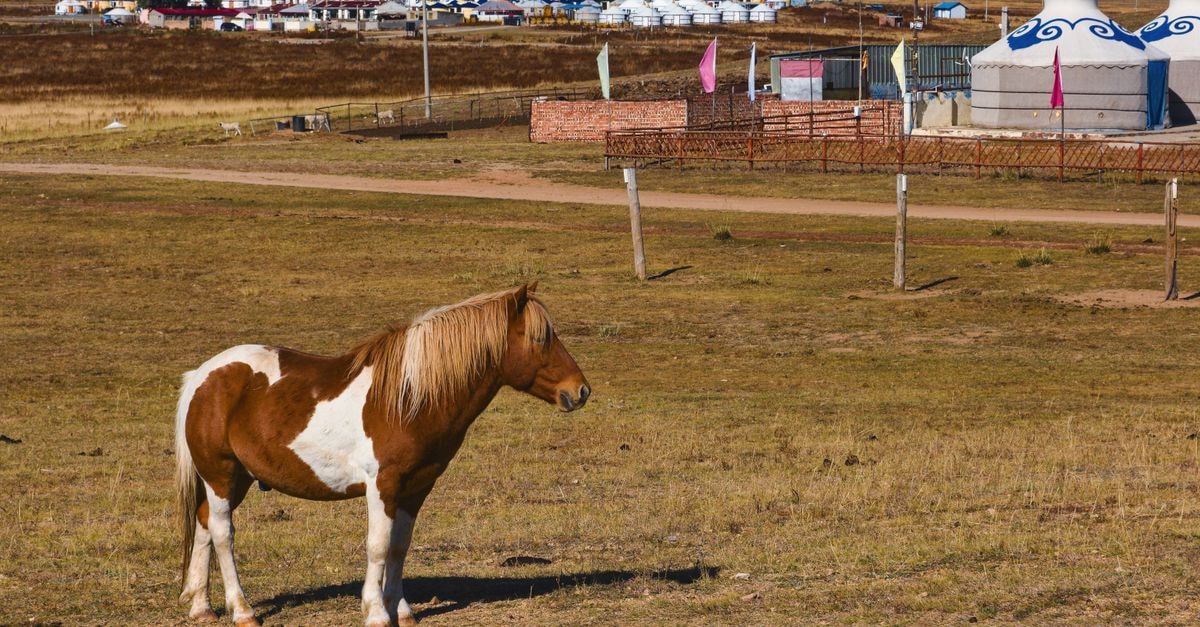
On-the-ground experiences in the grassland belt tend to revolve around horseback riding (commonly listed in the 80–150 yuan-per-hour range), off-road grassland driving, and evening bonfire gatherings, all of which can shape how you spend a single grassland day rather than how you plan a whole trip. Outfits in white or red long dresses paired with a straw hat are noted for photographs against the green-and-lake palette, though that's purely a styling note rather than a requirement of any venue.
A practical note for trip-shaping: rather than committing to a fixed stay length, decide how many distinct landscapes you want to see — grassland, stone forest, lake country — and let the count of those experiences set your days, with the city itself as a comfortable hub on either end.
Food and local context
Two themes tend to come up across that wider tradition: a real diversity of regional styles, and a long-running culinary philosophy of balance — of flavors, cooking methods, and ingredients — that shapes how everyday Chinese meals are put together. For travelers who enjoy eating as part of understanding a place, sitting down to a regional Inner Mongolian meal and then comparing it with another regional style available locally can be a small, satisfying way to engage with the broader food culture beyond the destination itself.
Because the city's own food map isn't documented in detail here, it's worth asking locally for the current recommended spots, asking what a dish actually is (particularly lamb and dairy preparations you're unfamiliar with), and pacing adventurous eating around days with longer travel — that's less a critique and more a way to enjoy unfamiliar flavors without rushing.
Closing notes
Travel conditions in any Chinese city evolve: prices, schedules, entry requirements, and venue details can shift between planning and arrival. Treat this guide as a starting framework for Chifeng rather than a final itinerary, and confirm anything bookable or time-sensitive — transportation, museum hours, grassland excursion logistics — through official channels close to your travel date. Currency conversion is only a reference; check the current rate before exchanging or paying.
A short verification question that may help before you go: which season are you aiming for, and how does that match the landscapes you most want to prioritize — the stone forest, the open grasslands, or the lake-mirror scenery — since each can shape what feels worth building the trip around?
Share this article
TOOLS FOR THIS PLAN
Make the Chifeng plan measurable
Choose a tool only when it answers the next question in your trip. Your values stay in the browser, and each tool offers a route back to this planning context.