A wide-horizon welcome to Baotou

What follows is a city guide built on verified, evergreen facts. It will not promise a perfect itinerary or a single best day. Instead, it groups what is genuinely useful to know: how to move around a sprawling city, what kinds of places anchor a visit, and how to think about food in a region where dairy traditions and wider Chinese dining culture sit side by side. The aim is to help a first-time visitor plan with calm and confidence, while leaving room for the spontaneous discoveries that always seem to happen once you step out of a Baotou train station and into the wind.
Getting around
The single most important thing to internalize before arriving is scale. Baotou is a sprawling city, and walking between major attractions is not practical because the distances involved are simply too large for a casual stroll. That single fact reshapes how a day should be planned: cluster activities by district, expect to use transport between almost every major point of interest, and build in time for transitions rather than imagining a tight walkable loop.
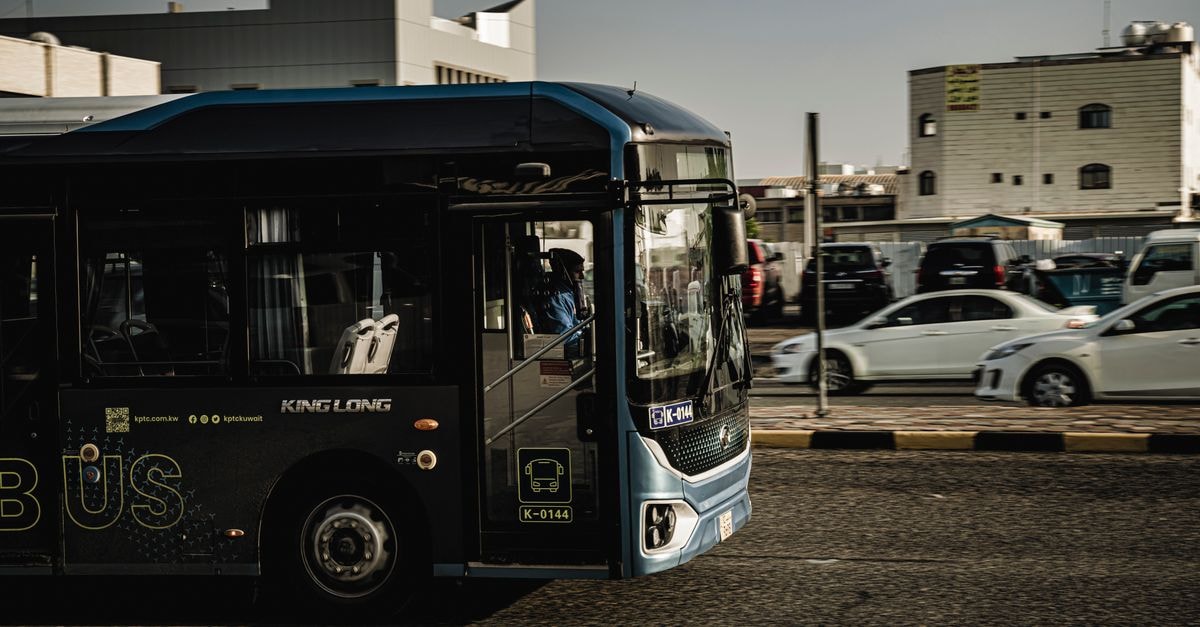
Public buses form the connective tissue of the city. Bus routes link the main centers, with services running through major transit hubs and the various commercial centers where most daily life is concentrated. For visitors, that means bus travel is a realistic option for moving between the major anchors of a stay, especially when paired with a map app that shows routes in real time. Taxis and car rental round out the picture for travelers who prefer door-to-door flexibility, which can be welcome after a long day of museums or when the weather turns harsh.
There is also a quieter pleasure in simply using the rail stations themselves. The contrast between the older and newer rail facilities offers a small reminder of how northern Chinese travel has evolved: the historic hum of long-distance trains sitting beside the quiet efficiency of CRH bullet services. Even if a visitor only passes through, taking a moment to notice how the old and the new coexist is part of the texture of arriving in this part of Inner Mongolia.
A practical rhythm tends to emerge once the scale is accepted. Mornings work well for a single anchor attraction, followed by a bus or taxi hop to a nearby district for lunch, and an afternoon spent in a more contained area such as a museum, a park, or a heritage site. Trying to chain three far-flung sights into one day usually leads to a feeling of having seen the inside of a taxi more than the city itself.
Attractions and planning
Baotou has a rich historical and cultural heritage, and the list of recognized places of interest reads like a cross-section of the region itself. The attractions that consistently appear in any honest overview of the city include Genghis Khan's Mausoleum, Wudangzhao Lamasery, Singing Sand Ravine, and Xilamuren Grassland. Each of these represents a different facet of the area: monumental history, living religious architecture, dramatic desert-and-water landscape, and the open steppe that defines the Mongolian imagination.
Within the urban footprint, the variety broadens further. A single attractions list for the city can include Wudangzhao, Saikhantara Ecological Park, Northern Weapon City, South China Sea Wetland Scenic Area, Meidaizhao, Meiligang Scenic Area, the Qin Great Wall Site, Aldin Botanical Garden, Baotou Museum, Baiyun Ebo Mine, Miaofe Zen Temple, Aldin Square, Labor Park, and the Zhao Changcheng Site. That is a long roster, and it should be read less as a checklist and more as evidence of how many different moods the city contains: industrial heritage, ecological restoration, religious sites, ancient fortifications, and quiet civic green space all sit within the same municipal frame.
For planning purposes, a useful mental model is to separate the city into layers. The first layer is the heritage core, where Baotou Museum and sites like Meidaizhao or the Qin Great Wall Site offer context for the long human history of the region. The second layer is the natural landscape, anchored by places such as Xilamuren Grassland, Singing Sand Ravine, and the South China Sea Wetland Scenic Area, where the scale of the sky becomes part of the visit. The third layer is the contemporary city, expressed through parks like Labor Park and Aldin Square, where the everyday rhythm of Baotou is most visible. Choosing one anchor from each layer, rather than trying to collect every single site, almost always produces a more satisfying trip.
A note on distance: because the city is sprawling and several of these sites sit on the edges of the urban area or beyond, it is wise to confirm how far a chosen attraction actually is from the city center before committing a full day to it. The guide deliberately does not assume any specific transit time or pair sites into a guaranteed day plan, since that kind of detail belongs to a current transit app rather than an evergreen city guide.
Food and local context
Dining in Baotou should be approached with a clear-eyed sense of what is supported and what is not. The city sits within a wider Chinese dining culture that visitors from elsewhere in the country will recognize immediately, with the usual patterns of regional Chinese kitchens, street food, and restaurant formats. That nationwide context is part of what travelers may encounter while in the city, and it is worth treating as the baseline rather than the headline. The approved regional dining overview that informed this section is intentionally general in tone: it lists dining as one category among many within the wider Inner Mongolia travel framework, alongside transportation, attractions, and accommodation, rather than singling out any specific Baotou dish, restaurant, or signature ingredient as a city-defining specialty. Travelers should treat any city-specific culinary claim, including those that try to anchor Baotou's food identity in a single dairy preparation, with appropriate caution: the underlying evidence does not support such narrow claims, and honest planning begins with recognizing what the sources actually say versus what they have been asked to imply.
The practical upshot for planning is straightforward. It is enough to know that Baotou's dining scene is structured around the same commercial centers and districts that the bus routes serve. That overlap is convenient: a museum morning can end with a short bus ride to a commercial cluster for lunch, and an afternoon park visit can finish with a relaxed dinner within walking distance of a main transit corridor. No single restaurant, market, or signature dish is named here, because naming one would require evidence this guide does not have. Instead, the recommendation is to treat the city's districts as your menu, to ask what is being made nearby and what is in season, and to let the day's route guide what you eat.
A short note on the wider Inner Mongolia region
One honest caveat for any visitor: Baotou is best understood as part of Inner Mongolia rather than as a stand-alone bubble. The attractions list, the food language, and the heritage framing all point outward toward the steppe, the lamaseries, and the long history of the region. A traveler who arrives with a little curiosity about that wider context tends to read the city more generously, and to find the connections between an urban park, a museum exhibit, and a distant grassland site more rewarding than they might otherwise seem.
At the same time, this guide deliberately keeps its focus on Baotou itself. No nearby destinations, day trips, or guaranteed cross-city pairings are recommended here, because the evidence does not support specific routing claims. The safer and more honest approach is to treat Baotou as a full destination in its own right, then to research onward travel separately if the wider region calls.
Practical verification note
Conditions in any Chinese city can change, and Baotou is no exception. Bus routes, opening hours for specific attractions, museum hours, and dining options should be checked through current local sources before setting out each day. Treat this guide as a framework rather than a live schedule: a way to understand the shape of the city, the kinds of places that anchor a visit, and the practical realities of getting around, all of which remain useful long after any single timetable has been updated.
For independent travelers, the throughline is simple. Accept that Baotou is sprawling and plan around that, choose a small set of attractions from different layers of the city, and approach food with curiosity about both local dairy traditions and the wider Chinese dining context that visitors will inevitably encounter. Done with that frame of mind, Baotou rewards a slower, more attentive kind of travel, and tends to linger in memory longer than its industrial reputation might suggest.
Prices, opening hours, schedules, reservation rules, and local conditions can change; verify them through official channels before departure.
Share this article
TOOLS FOR THIS PLAN
Make the Baotou plan measurable
Choose a tool only when it answers the next question in your trip. Your values stay in the browser, and each tool offers a route back to this planning context.