A quiet gateway to the Western Ghats

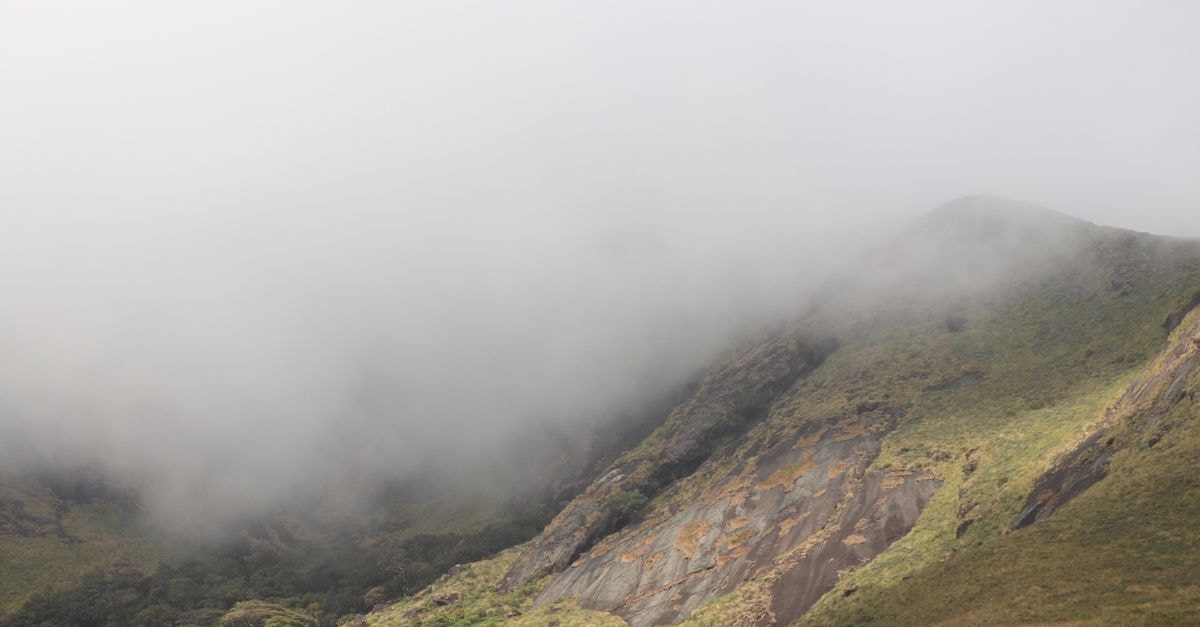
Shivamogga sits comfortably between the forested belt of the Western Ghats and the wider Karnataka plateau, and that geography shapes almost everything a traveler notices here. The district is known for some of Karnataka's most talked-about waterfalls and for a slower, layered cultural life where temple towns, agricultural plains, and a long tradition of performing arts meet. It is the kind of city that rewards travelers who come curious about everyday South Indian life rather than chasing a checklist of marquee sights. For visitors arriving from Bengaluru or Mysuru, Shivamogga also reads as a genuine shift in pace — greener roads, longer horizons, and a noticeably friendlier traffic rhythm.
If you are planning a trip built around nature, regional culture, and food that reflects both the highlands and the coast, Shivamogga offers a refreshingly grounded base.
Weather and seasonal context
Shivamogga's climate is shaped by its position along the Malenadu belt, where the Ghats lift the rainfall and soften the heat of the Deccan plateau beyond. Travel here often feels lush because the surrounding landscape tends to stay green through much of the year, with the monsoon months bringing visibly fuller rivers and waterfalls. Outside the wet season, daytime warmth can feel noticeable, and the air carries the gentle humidity that comes with being close to forested hills. Because conditions shift gently rather than dramatically, layering light cottons with one warmer layer for air-conditioned interiors and cooler evenings usually covers most needs. Travelers who prefer softer light for photography and easier outdoor walking may want to plan around the cooler, drier windows, when the terrain is still verdant but the trails and roads feel more forgiving.
Getting around
Reaching Shivamogga is straightforward, and the city offers three practical options depending on where you are coming from and how you like to travel.
By air, the Shimoga airport sits roughly 9 km from the heart of the city, which keeps the transfer into town relatively short once you land. This works well for travelers who prefer to skip the longer road journey and start exploring soon after arrival.
By train, Shimoga Town Railway Station connects to major cities including Bengaluru and Mysuru, making rail a comfortable choice for visitors coming from within Karnataka. The most availed services from this rail junction include the Inter City Express Connection train and the Shivamogga Express, which are useful reference points when comparing timetable options. For travelers who enjoy watching the landscape change from the window, the approach into Shivamogga by rail is one of the more rewarding parts of the journey, with the terrain gradually turning greener as the Ghats approach.
By road, state and private buses link Shivamogga with neighboring districts, and this option often suits travelers planning to combine the city with stops in the wider Malenadu region. Within Shivamogga itself, autorickshaws and local taxis are the usual ways to move between the town center, the railway station, and surrounding points of interest.
If you are arriving from outside Karnataka and prefer minimum ground transfers, the airport's proximity to the city center may suit you best. Travelers who enjoy scenic rail journeys and want a direct connection from Bengaluru or Mysuru will likely find the train the most satisfying option.
Attractions and planning
Shivamogga's appeal is less about a single iconic landmark and more about the variety packed into a relatively compact district. Waterfalls are a major draw, with Jog Falls highlighted as one of Karnataka's most popular natural attractions and widely recognized as a dramatic sight on any Malenadu itinerary. Travelers drawn to dramatic landscapes may want to build a full day around the waterfall experience, while those who prefer a more contemplative pace can pair it with quieter stops along the way.
The cultural side of Shivamogga is equally distinctive. The district is home to the NINASAM institute, a highly reputed center known for dance and drama training that attracts theatre enthusiasts, artists, and scholars from across India. For visitors interested in regional performing arts, NINASAM is a cornerstone of Karnataka's cultural life, and the venue regularly serves as a hub for local artists and students to showcase talent while preserving Karnataka's rich performing arts heritage. Checking in advance whether a workshop, screening, or performance is scheduled can turn a routine stop into a meaningful cultural encounter, especially for travelers who value living traditions over static monuments.
Beyond waterfalls and theatre, the district is also known for Karnataka's only Sanskrit-speaking village, Mattur, and for a network of wildlife sanctuaries and temples that reward slower exploration. Travelers who prefer a mix of nature and heritage can comfortably spend several days moving between these different textures without ever feeling rushed.
Food and local context
Shivamogga's food culture sits at the crossroads of the Western Ghats' agricultural heart and coastal Karnataka's fishing traditions, creating a cuisine that feels both deeply rooted and seasonally responsive. Rice, millets, coconut, and locally grown greens form the backbone of most meals, and the surrounding forests contribute wild greens, honey, and forest produce that often appear in everyday cooking. The result is a table that feels generous, fresh, and closely tied to the land around it.
The lifestyle of Shivamogga is a blend of traditional values and modern amenities, and that balance shows up in the way people eat. Traditional thali-style meals sit comfortably alongside smaller cafés and street-side snacks, and the local cuisine is widely described as diverse, offering delicious dishes influenced by Kannada, highland, and coastal flavors. Travelers who enjoy comparing regional variations of South Indian food will find Shivamogga a particularly interesting stop, since the highland-coastal overlap is unusually clear here.
For visitors used to the wider rhythms of Indian dining, it helps to remember that meals in smaller towns often follow slightly earlier schedules than in big metros, and that vegetarian options are widely available alongside fish and meat dishes rooted in coastal traditions. Asking locally about seasonal specialties is often the best way to discover what the kitchen is doing best at the time of your visit.
Choosing what fits your trip
Travelers who build their Shivamogga visit around waterfalls and forested landscapes will get the most from longer day plans outside the city, with the town itself serving as a comfortable base for early starts and relaxed evenings. Those drawn more to culture and the arts may find that anchoring the trip around a NINASAM visit, a village walk in Mattur, and temple explorations creates a satisfying rhythm without long transfers. Food-focused travelers tend to enjoy Shivamogga most when they leave room for slow meals and conversations with locals, since the regional cuisine reveals itself gradually rather than through a single signature dish. Mixing two of these threads — nature in the mornings and culture or food in the afternoons — usually produces the most balanced itinerary.
A quick verification note
Because transport schedules, performance calendars at cultural venues, and accessibility details can change, it is worth confirming timings and any entry requirements with the relevant official channels shortly before travel. Factual travel conditions can shift, and a quick check before departure helps ensure the trip unfolds as smoothly as planned.
Share this article
TOOLS FOR THIS PLAN
Make the Shivamogga plan measurable
Choose a tool only when it answers the next question in your trip. Your values stay in the browser, and each tool offers a route back to this planning context.