Introduction

Chiquimula sits in eastern Guatemala as the capital of the department that shares its name, and it offers the kind of unhurried arrival that travelers chasing the tourist trail often miss. The city has a working, lived-in feel rather than a postcard one, and that quality is part of its appeal for anyone visiting Chiquimula with curiosity instead of a checklist. This guide keeps the focus on what is genuinely supported about the place: a warm tropical savanna climate, a transport culture built around buses, and a set of local attractions worth planning around.
Weather and seasonal context
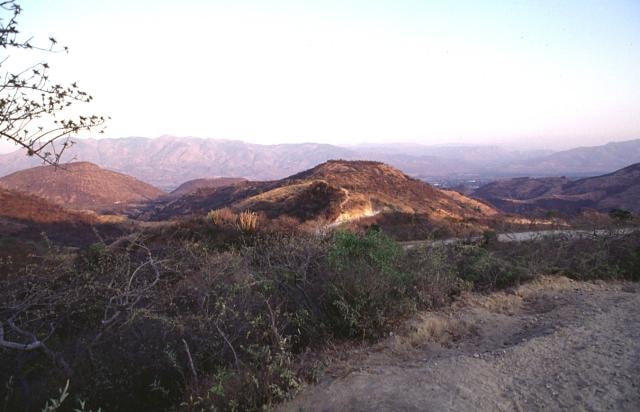
Chiquimula's climate is classified as Tropical Savanna, which means consistently warm temperatures year-round, so the city does not offer a true cool season in the way highland destinations in Guatemala can. That steady warmth is part of everyday life here, and visitors planning what to pack can reasonably expect lightweight clothing for most daylight hours regardless of when they arrive. The dry season, broadly November through April, is widely described as more comfortable for overland travel, when roads tend to be in better shape and outdoor movement feels easier. Travelers who prefer drier footing underfoot and clearer skies for walking around the city may want to consider timing their trip within that window.
Outside the dry months, rain is more of a presence in the rhythm of the day, and pacing the afternoon around a passing shower can become part of the routine. Because the climate stays warm year-round, the difference between wet and dry periods tends to show up more in humidity, road conditions, and the feel of the landscape than in any dramatic swing of temperature. A simple umbrella, breathable layers, and a flexible afternoon can go a long way for travelers visiting Chiquimula during the rainier stretches of the year.
Getting around
Bus travel is the connective tissue of Guatemala, and Chiquimula sits within that wider network. Millions of people rely on buses and ferries to get to work, to school, and to visit family, which means the bus system is the everyday way of moving between places rather than a backup option. For visitors, that translates into an experience that is functional, frequent on main routes, and woven into the rhythm of local life.
Attractions and planning
The city has enough to fill a slow day of wandering, and a good starting point is the local tourist attractions list. One useful overview presents the top things to visit in Chiquimula and points readers toward a more detailed page dedicated to the top 10 attractions to visit in Chiquimula, which is a natural next stop for travelers who like to plan around a ranked shortlist before arriving. Using a curated attractions page as a planning anchor can suit travelers who prefer to map out a few anchors for the day rather than improvise entirely on foot.
Because the appeal of Chiquimula is often in its quieter, less-polished corners, travelers who enjoy mixing a handful of named sights with stretches of unstructured wandering may find the city easy to enjoy. Pairing a dry-season arrival with a flexible, bus-friendly plan tends to suit slow travelers most, since the city rewards a relaxed pace and the climate window makes overland movement more comfortable.
Choosing what fits your trip
A few supported tradeoffs can help frame how to approach Chiquimula. The warm tropical savanna climate is steady year-round, so packing is simpler than in destinations with a real temperature swing, but the dry season tends to be more comfortable for overland travel and outdoor movement, which travelers planning to use the bus network extensively may want to weigh. Bus-based transport is the cultural default and works well for visitors comfortable with regional public transport, while a traveler who relies on a dense, walkable cluster of headline sights in a short window may want to reconsider how much time they spend here, since the city reads as a working regional capital rather than a single concentrated historic center.
A note on verification
Factual details such as bus schedules, attraction opening arrangements, and road conditions can change, and official channels should be checked before departure to confirm anything that affects a specific day's plan. The context above reflects what the available sources describe and is meant as a starting point, not a final guarantee.
Share this article
TOOLS FOR THIS PLAN
Make the Chiquimula plan measurable
Choose a tool only when it answers the next question in your trip. Your values stay in the browser, and each tool offers a route back to this planning context.