A slow introduction to the eastern Guatemalan lowlands

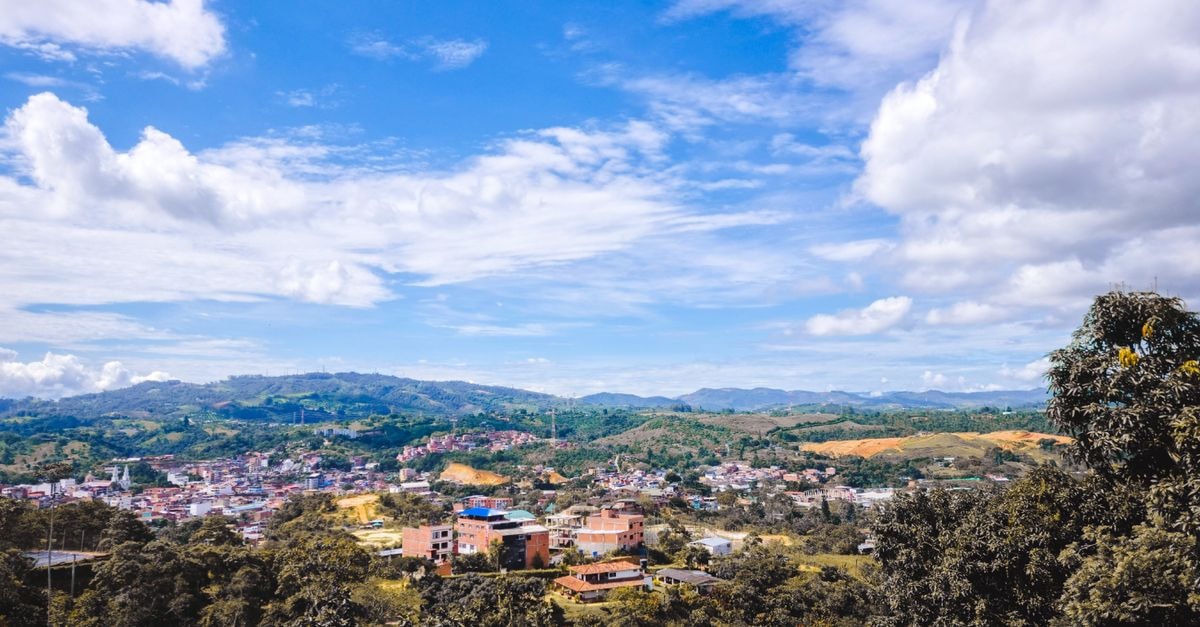
Zacapa sits in the dry, sun-warmed lowlands of eastern Guatemala, a department known more for its open landscapes and rural character than for any single headline attraction. For travelers who like the idea of stepping off the main tourist trail, the city offers a calmer rhythm and a closer look at a part of the country that many visitors pass through without stopping. This guide keeps the focus tight: what there is to see in and around Zacapa itself, and how the wider Guatemalan food culture shows up in everyday moments during a visit.
Because Zacapa is a smaller destination, planning often comes down to knowing what is genuinely there rather than building a packed list. The honest approach is to treat the city as a short, anchoring stop and let its landmarks and street-level food scenes frame the experience.
Attractions and planning
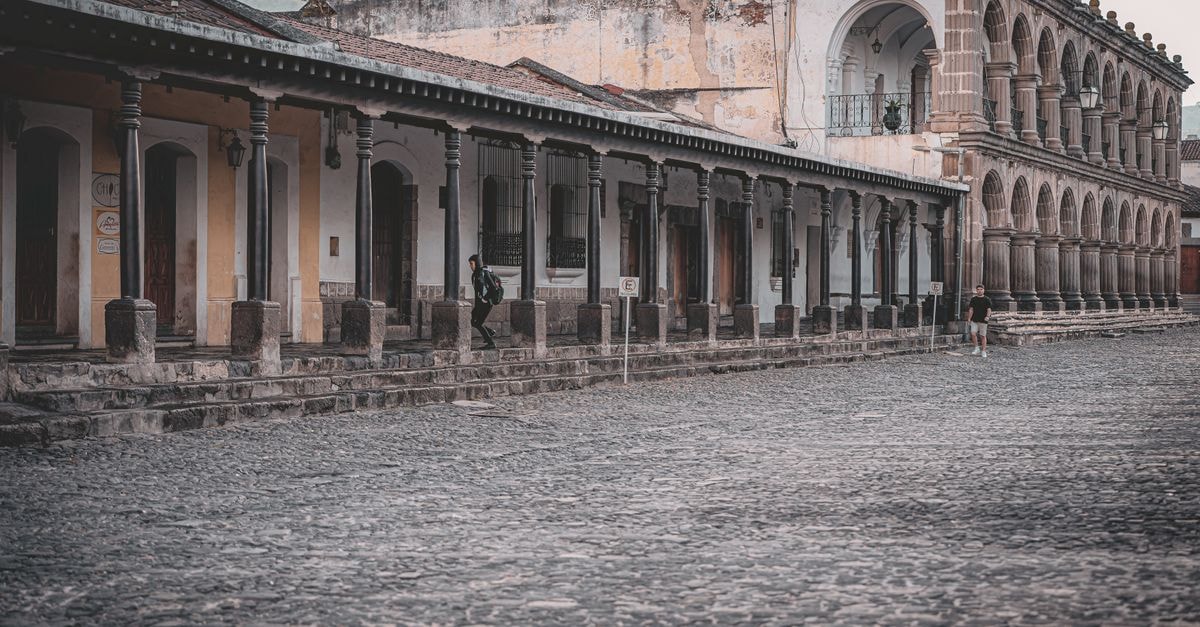
The most concrete anchor for a Zacapa visit is the Catedral de Zacapa, identified in local listings as the main cathedral in Zacapa and described as a landmark of the city's religious and architectural heritage. For travelers building a visit, this is the natural focal point: a central building that is easy to locate, easy to walk to, and useful for orienting a day on foot. Its role as a heritage landmark means it carries cultural weight beyond a quick photo stop, and visitors interested in the layered history of eastern Guatemala often use it as a starting point for understanding the area.
Beyond the cathedral, regional travel sources point to a broader catalog of things to do in the Zacapa area, framed as a top-ten list of attractions to visit in and around the city. The phrasing used by these sources is general rather than detailed: they confirm that there is a defined set of attractions worth considering in and around Zacapa, without supplying specifics on hours, prices, or seasonal access. For a traveler, the practical takeaway is that any well-rounded visit benefits from treating Zacapa as a small hub and treating the wider list as an opportunity to slow down, ask locally, and choose what suits your pace rather than trying to cover everything in one outing.
Because the available local evidence stays general about these attractions, the most useful planning habit is to verify specific details on the ground or through a current local source before setting out. Pair that habit with a relaxed schedule: a visit centered on the cathedral, with one or two additional stops nearby, tends to match the city’s scale far better than a rushed checklist.
Food and local context
The food scene in Zacapa is best understood by widening the lens to Guatemala as a whole. Country-level culture sources consistently describe Guatemala’s street food as affordable and often delicious, framing it as a meaningful part of the everyday experience for visitors. In a smaller city like Zacapa, that nationwide context tends to show up as informal stalls, casual counters, and family-run spots rather than as a well-known signature restaurant, and it is where many travelers find the most memorable meals. Treating street food as a category to explore, rather than a side note, is one of the more rewarding ways to experience the country.
A broader look at Guatemalan food traditions highlights the country as a place where culinary heritage is tied to cultural identity, regional variety, and ongoing creative energy. The framing used in these sources positions Guatemala as an emerging and culturally rich culinary destination, with food experiences linked to local life rather than polished tourist menus. For Zacapa visitors, the implication is gentle but useful: the flavors encountered here are part of a wider national story, and being open to simple, locally rooted meals usually beats searching for a single iconic dish.
Because the city-specific food evidence is intentionally limited, it is worth leaning into curiosity instead of expectation. Eating where locals eat, asking what is fresh that day, and treating meals as small cultural encounters will give a more honest picture of Zacapa than any pre-built list of must-try dishes could. The wider Guatemalan context simply sets the stage; the specific experience belongs to whatever stalls or kitchens you happen to wander into during your visit.
A gentle pace for a small city
The simplest way to enjoy Zacapa is to slow down. With the cathedral as an anchor and a cluster of nearby attractions as options, a typical visit can be shaped around unhurried walking, casual meals, and conversations with people in the area. Travelers who arrive expecting a packed urban itinerary often find that the city rewards those who reset their rhythm first.
A few grounded habits support that kind of visit. Treating the cathedral as the heart of the city, asking locally about the other attractions on the regional list rather than assuming you know their status, and staying open to Guatemala’s street food culture together create a low-effort, high-reward way to experience Zacapa. None of this depends on timed tickets or reserved experiences, which suits the city’s informal character.
Planning notes worth keeping in mind
Details such as exact opening hours, admission prices, and current access conditions for individual attractions in and around Zacapa are not provided in the grounded sources available for this guide. Before relying on a specific attraction for a particular day, it is worth checking locally or through a current, authoritative source so that you are not caught off guard by closures or changes. The same applies to any street food spots you hope to revisit: informal places can change their hours or locations, and a quick local confirmation usually saves time.
Finally, treat this guide as a starting framework rather than a fixed plan. The grounded facts here point to a cathedral-centered visit set within a broader regional list of attractions and woven into a wider Guatemalan food culture. Everything else, from timing to route, is best shaped on the ground. Factual travel conditions can change, and official channels should be checked before departure so that your understanding matches what Zacapa actually offers on the day you arrive.
Share this article
TOOLS FOR THIS PLAN
Make the Zacapa plan measurable
Choose a tool only when it answers the next question in your trip. Your values stay in the browser, and each tool offers a route back to this planning context.