A Slow Traveler's First Look at Chișinău

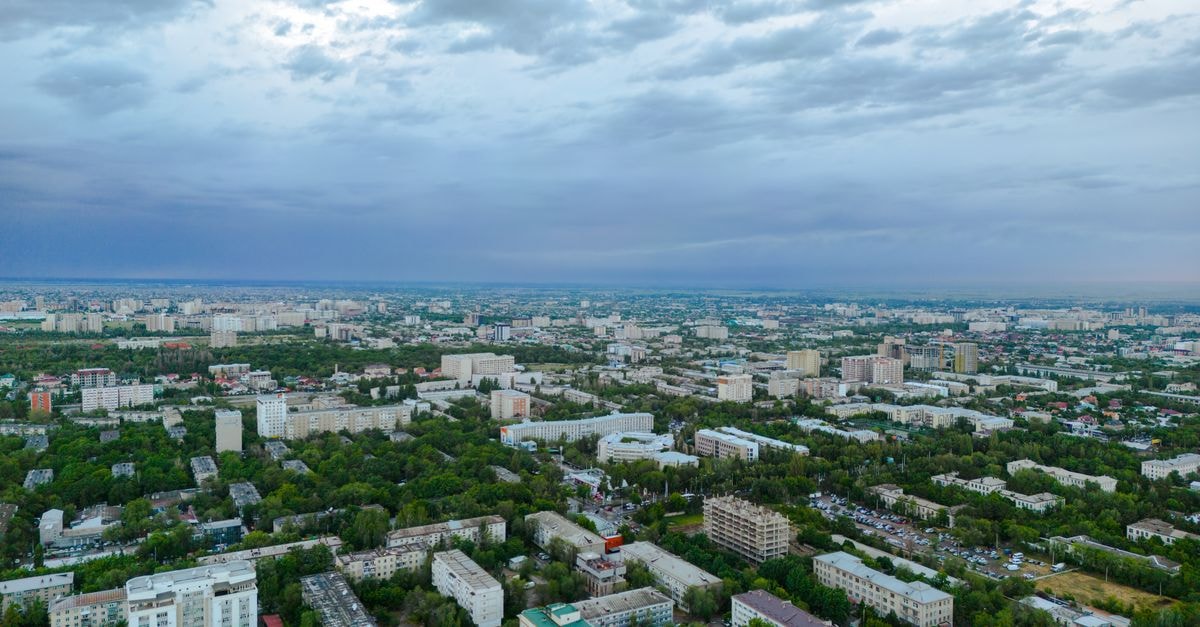
There is a particular kind of pleasure in arriving in a capital city that has not yet been smoothed over by a single narrative. Chișinău, the capital of Moldova, rewards the traveler who arrives curious and unhurried. The city invites you to slow down, notice the layered architecture, linger over a long lunch, and let the day unfold at its own pace. For visitors planning a trip to Chișinău, the practical questions come quickly: how to move around, where to begin sightseeing, and what to eat. This guide focuses on those three pillars, using trusted sources to help you orient before you go.
Getting Around Chișinău
Understanding how the network operates matters because the city is best experienced by moving through its neighborhoods rather than zooming between headline sights. A basic familiarity with the available modes allows you to reach the parks, museums, and squares that interest you, and to follow your curiosity when an unexpected street or square catches your attention. For travelers who want to fully immerse themselves in the city's culture and reach its many attractions, taking time to learn the transport system is one of the most useful first steps in Chișinău.
Attractions and Planning
Chișinău's attractions span a wide spectrum, and a little planning goes a long way. One local discovery page lists categories that include trolleybus tourist sightseeing with audio guides, wine tasting, shopping, surroundings, food, tourist attractions, hotels, museums, and dedicated places to visit in Chișinău. That range alone suggests a city where culture, gastronomy, and everyday life are intertwined rather than separated.
Among the specific places worth researching is the so-called "Afghanistan" Park, an unofficial name for the park situated in the center of the Rășcani district, which is described as a focal point of that neighborhood. Parks like this often reveal the rhythm of local life and offer a break between museum visits. For those interested in the city's institutional and social history, the building that today houses the Museum of the City of Chișinău is another anchor point on a thoughtfully planned itinerary.
If your interests run toward literature and history, the Alexander Pushkin House Museum is dedicated to Pushkin and to the time he spent in Chișinău, giving a literary layer to a visit that is otherwise shaped by Soviet and Moldovan heritage. The Military History Museum is described as quite the spectacle, providing more than an insight into Soviet military history. Together, these smaller, thematic museums can round out a stay that begins with the broader cultural landmarks and ends with the more personal stories the city holds.
Because the city offers such a range of attractions, building your own short list by interest, rather than by geography, tends to work well. Start with one or two central sights, add a museum that matches your taste, and leave room for wandering.
Food and Local Context
Food in Chișinău is one of the most enjoyable ways to understand the city. Moldovan cuisine leans on slow-cooked, generous dishes, and several traditional plates have a clear home in the capital. Sarmale, cabbage rolls filled with seasoned meat and rice, are a beloved staple, and one source points to Restaurant Bachi as a place in Chișinău where visitors can indulge in this traditional delight. For travelers who want to try sarmale in a setting dedicated to the dish, this kind of recommendation offers a useful starting point.
Beyond sit-down restaurants, Chișinău's street food scene is described as a vibrant tapestry of flavors that reflects the rich cultural heritage of Moldova. From savory pastries to hearty soups, the street food scene in Chișinău provides an accessible way to engage with local gastronomy without committing to a long meal, which suits travelers who are out sightseeing and want something quick but meaningful.
In wider Moldovan food culture, dishes such as plăcinte (savory or sweet pastries) and Vărăște (a traditional layered dish) are part of the everyday table. While these are national rather than city-specific specialties, visitors in Chișinău are likely to encounter them on menus across the capital. Sources point to establishments in Chișinău, such as La Placinte and Caru' cu Bere, where traditional Moldovan dishes are served alongside desserts, giving travelers a relaxed way to sample several classic plates in one sitting. Treating these restaurants as a tasting ground rather than a single-dish stop often yields the most satisfying introduction to local flavors.
A Note on Verification
Factual travel conditions, including transport routes, museum opening arrangements, restaurant menus, and the operating status of specific venues, can change over time. Before you travel, it is worth checking official channels, local tourism sites, and current listings to confirm the details that matter to your itinerary. This guide is built from trusted sources to help you plan thoughtfully, and a short verification step before departure will help your trip go smoothly.
Final Thoughts
Chișinău is a capital that rewards the prepared but unhurried visitor. With a basic grasp of its public transport system, a short list of attractions that match your interests, and an openness to traditional Moldovan dishes, you have everything you need to begin. The rest of the pleasure comes from the in-between moments: a quiet park in Rășcani, a pastry eaten on the move, a museum that reframes what you thought you knew. Treat the city as a place to be lived in for a few days, and it will reveal itself in layers.
Share this article
TOOLS FOR THIS PLAN
Make the Chișinău plan measurable
Choose a tool only when it answers the next question in your trip. Your values stay in the browser, and each tool offers a route back to this planning context.