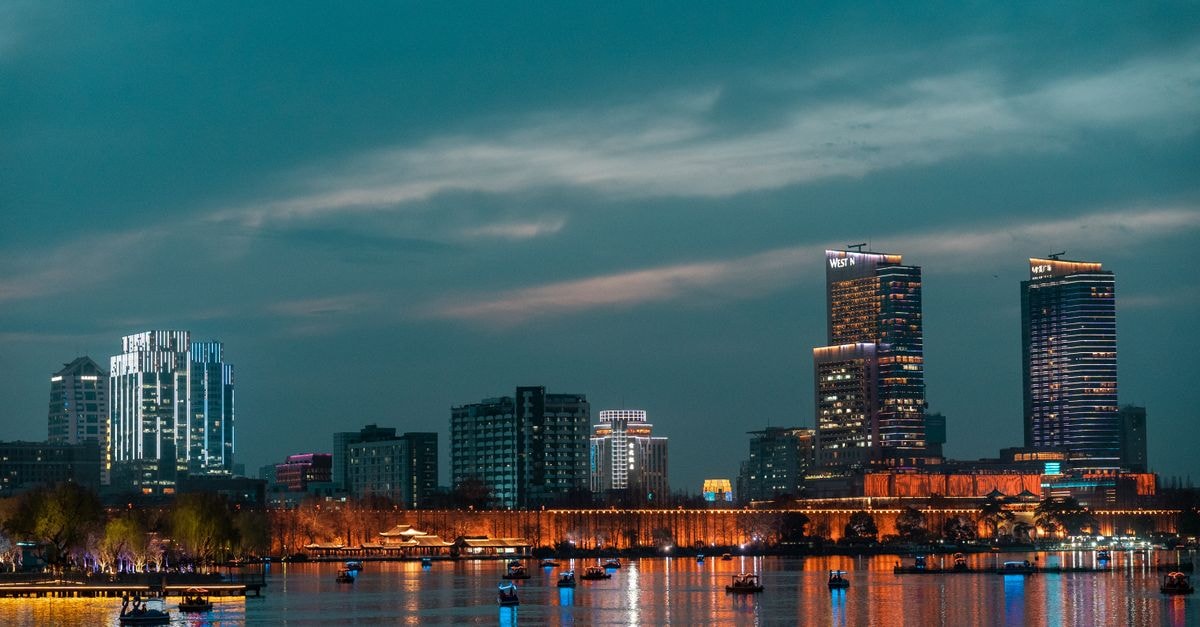
First impressions of the Port City

Chittagong has a way of arriving in the imagination before you ever set foot there. The name carries the hush of a harbor, and the city itself has been formally recognized as a major coastal city and financial center in southeastern Bangladesh, often referred to as the Port City of Bangladesh.
What makes it feel alive on paper, and certainly in person, is its role as the headquarters of many Bangladeshi companies, including the Chittagong Stock Exchange. That detail quietly explains why the streets feel busy, the commerce feels layered, and the rhythm of the day never quite settles into the small-town pace you might expect from a coastal setting. The Telegraph once placed Chittagong among the ten fastest-growing cities in the world, a reminder that this is a place where expansion is visible not just in cranes and new builds, but in the everyday tempo of foot traffic, trade, and conversation.
For travelers, that translates into a city that rewards a measured approach. There is no need to rush a checklist here. The Port City invites you to slow down, notice how its identity is stitched from commerce, coast, and constant movement, and let the place set the pace.
Weather and seasonal context
The approved sources do not give a direct read on temperatures, rainfall, or current conditions in Chittagong, so this guide stays intentionally evergreen on the weather front. The two facts worth carrying into your planning are not about climate at all; they are about character.
The first is that Chittagong operates as a national headquarters city, home to institutions like the Chittagong Stock Exchange. Cities that host major financial and corporate headquarters tend to keep working hours that prioritize business flow, which often means mornings and early afternoons feel brisk while later hours can feel more relaxed. For a visitor, that is a useful rhythm to lean into rather than fight.
The second is the wider context that international press, including The Telegraph, has named Chittagong as one of the ten fastest-growing cities in the world. Growing cities often come with shifting infrastructure, evolving transit options, and neighborhoods that change quickly between visits. Treat that as gentle encouragement to verify local conditions closer to your travel date rather than rely on any fixed mental image of the city.
Because no specific seasonal weather facts are supported in the source material for the period you are reading, this guide deliberately avoids prescribing what to pack or how to dress for a particular month. A short check of a reliable forecast before departure is the most dependable move.
Getting around
The clearest travel-planning fact that survives the evidence review is administrative rather than operational: Chittagong sits within the formal district structure of southeastern Bangladesh. The district framework matters for travelers because it is how government services, official directories, and local administrative offices are organized.
The same set of sources also carries a district branding line, used officially to express the natural beauty and economic potential of Chattogram District. For a traveler, that phrase is less about tourism marketing and more about local pride in the region's landscapes and trade. It is a useful cultural cue: this is a district that defines itself in terms of both scenery and commerce, and visitors tend to feel that dual identity in how the city presents itself.
Attractions and planning
The attractions evidence base for this guide is intentionally narrow but accurate. Chittagong, officially written as Chattogram and widely known as the Port City of Bangladesh, is described as a major coastal city and financial center in southeastern Bangladesh. That single sentence does a lot of work for a traveler trying to decide what kind of trip to plan.
It tells you that the coast is part of the city's identity, not an add-on. The financial-center framing tells you that the urban core carries the visual language of banks, corporate headquarters, and trading infrastructure, alongside the older layers of a port settlement. Together, those two character notes shape how you might think about a visit: less about chasing a fixed list of landmarks, and more about absorbing a city where business, harbor life, and coastal culture meet.
Because the approved evidence does not list specific attractions, opening hours, ticket prices, or reservation details, this guide does not invent any. Anything that required a specific venue, a ticket counter, a guided tour slot, or a current schedule has been left out on purpose. That is the right call for an evergreen city profile built on a thin but reliable evidence base; a smaller, fully grounded set of impressions is more useful to a reader than a longer list padded with assumptions.
A good way to plan around that constraint is to anchor your days in broad character zones rather than specific venues. Spend time where the port feel is strongest, where the corporate skyline defines the skyline, and where the coastal setting opens up. Within each zone, you can discover the small, particular places that no general guide can fully capture, and that is often where the Port City leaves its most lasting impression.
A few grounded travel notes
- Chittagong is a headquarters city. Evenings tend to feel different from the working day, and pacing your sightseeing around that rhythm is more rewarding than fighting it. - It is a recognized fast-growing city. Infrastructure and neighborhood character can shift between visits, so current local sources are more reliable than any fixed mental map. - The coast is part of the city's identity. Treat the shoreline as a setting for the trip rather than a separate excursion. - The district framework is real and useful. Addresses and locality names follow a divisional and district logic that helps when navigating or asking for directions.
A note on verification
Travel conditions, transport options, administrative processes, and the character of fast-growing cities can all change between guide updates and your actual visit. Treat the framing above as a stable, evergreen orientation rather than a live briefing, and cross-check any checkable detail, from opening times to local transport, through official or up-to-date local channels before you travel. Factual travel conditions can change, and official channels should be checked before departure.
Share this article
TOOLS FOR THIS PLAN
Make the Chittagong plan measurable
Choose a tool only when it answers the next question in your trip. Your values stay in the browser, and each tool offers a route back to this planning context.