A first look at Ciudad del Este

Tucked into the eastern edge of Paraguay, where the Paraná River hums toward the great Itaipú reservoir, Ciudad del Este sits as the busy heart of the Alto Paraná Department. It is a borderland city by nature and by history, with a rhythm shaped by crossings, commerce, and the lush green of the surrounding region. For travelers, the city reads less like a polished capital and more like a working crossroads, with neighborhoods that open quickly onto rivers, cliffs, and the wider South American interior. That edge-of-the-map energy is part of the appeal.
Ciudad del Este is also a base from which to understand the broader geography of Alto Paraná. The same landscape that powers the region's industry also frames some of its most distinctive views. A short orientation before exploring makes the city feel less like a tangle of intersections and more like a layered place, where commerce, nature, and culture sit unusually close together.
Attractions and planning
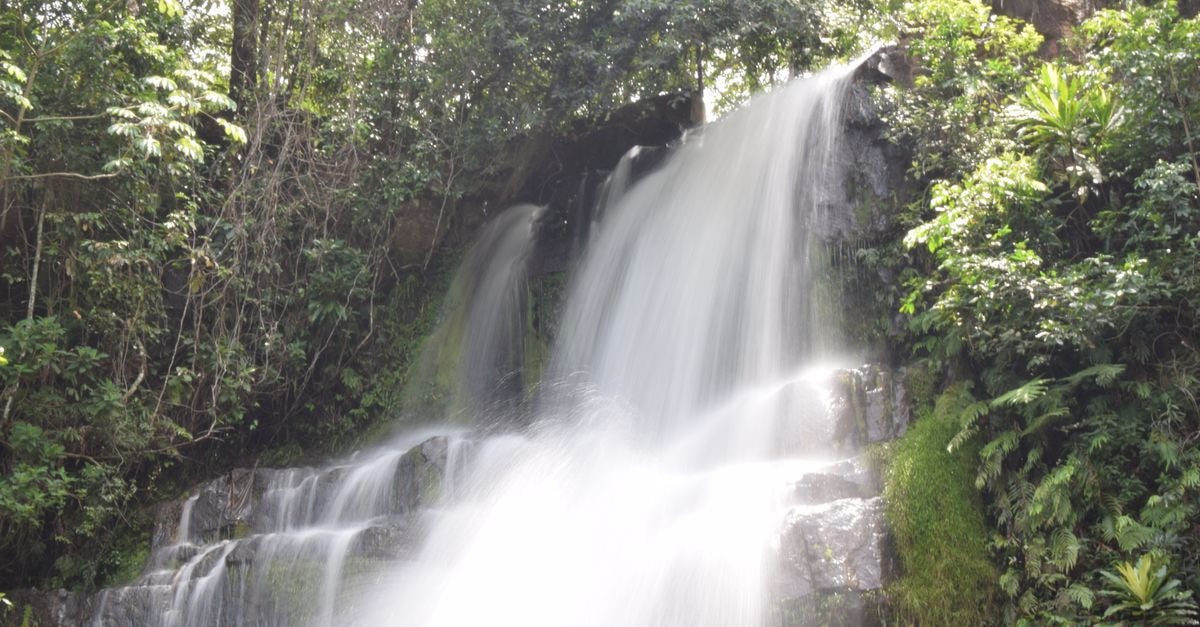
Ciudad del Este reads as a city of layered geography. The Paraná River curls along its edge, and the surrounding district climbs into green ridges and waterfalls that are popular with travelers looking for a quieter counterpoint to the urban core. According to a widely shared travel guide, the top attractions to visit in Ciudad del Este include Saltos del Monday, the Presidente Franco District, Lai Lai, the Itaipú Hydroelectric Dam, Santa Rita, and Cubiertas. Together they sketch a region where engineered landmarks, river scenery, and small-town day stops sit within reach of the main city.
That mix lets visitors shape a trip around interest rather than itinerary. Some travelers come for the engineering scale of the dam, while others prefer the quieter pull of falls and river views. Because Ciudad del Este is a working border city with a fast commercial core, planning a calm visit often means treating the city as a launchpad and choosing one or two anchor stops for each day, rather than trying to cover everything at once.
When weighing the best moment to visit, climate and personal pace matter more than calendar tricks. Because the source guide notes the question without committing to a single season, it is worth thinking in terms of how a visitor prefers to spend their days: lighter for waterfalls and walking, or air-conditioned for long drives and indoor stops. Treating the visit as flexible, with a short list of must-see places and time to absorb the river landscape, tends to suit the city better than a tightly packed schedule.
Getting around
Ciudad del Este rewards visitors who anchor themselves with information. The city has a dedicated tourist information point known as the Centro de Información Turística – CDE, also referenced locally as the Oficina Turista Róga. Its role is to provide comprehensive tourist information to anyone visiting the city and the surrounding region, and to serve as a reference point that helps orient and support travelers during their stay.
For most visitors, that office is a useful first stop. Walking in with an open list of questions, about attractions, transport, regional routes, or general orientation, gives the staff something concrete to work with. Because the city is busy and bilingual in feel, with Spanish and Guarani widely heard across Paraguay, having a clear set of priorities helps the team direct visitors to the right places rather than offering scattered suggestions.
The value of an information office in a city like this is less about handing out a single map and more about translating the urban layout into a usable plan. Travelers who pause to confirm directions and regional connections before setting out tend to move through the city with more ease, especially when moving between the commercial core and attractions that sit further out along the road network.
Food and local context
Paraguay reads as a country where food is woven into everyday life, and visitors to Ciudad del Este are likely to encounter flavors that reflect the wider nation. Spanish and Guarani are both official languages, and Guarani is the most widely spoken language across the country, which means menus, signs, and conversations in the Alto Paraná region can often move between the two.
One dish worth recognizing by name is **tira de asado**. Across Paraguay, large cuts of meat are often cooked in a slow, patient way that turns them tender and rich. Visitors in Ciudad del Este may find this style on grills in restaurants, markets, and family tables, where the technique is treated as a shared tradition rather than a special-occasion event. Understanding the dish as part of a national cooking style helps set expectations: it is hearty, communal, and built around unhurried preparation.
That said, Paraguay-wide context does not translate directly into a city-specific restaurant list here. Rather than naming particular markets or kitchens in Ciudad del Este, travelers should treat the country's grilling and slow-cooking traditions as a flavor frame, then explore local menus on the ground. Approaching meals this way keeps expectations accurate and leaves room to discover the city's own rhythm.
A practical note for visitors
A useful rhythm for Ciudad del Este is to combine one major attraction stop with one quieter pause in a single day. The contrast between engineered landmarks, river scenery, and dense urban streets can feel sharper without long transit gaps, and a slower pace gives space to notice the smaller details that make the Alto Paraná region distinctive. Because Ciudad del Este is a border city with constant movement, travelers who plan around the Centro de Información Turística – CDE tend to navigate with greater confidence.
Treat food as part of the discovery rather than a checklist. Knowing that tira de asado and similar grilled meats are common across Paraguay offers a useful starting point, but the most rewarding meals often come from following local recommendations, asking staff at the tourist office, and being open to regional variations. Spanish and Guarani both show up across the country, so a few words in either language go a long way.
Final verification note
Travel conditions in Ciudad del Este, including transport options, attraction access, and dining availability, can change over time. Visitors should confirm details through the Centro de Información Turística – CDE and other official channels before and during their trip, and treat the wider Paraguay food and language context as a starting point for exploration rather than a fixed promise of what a specific restaurant or market will offer.
Share this article
TOOLS FOR THIS PLAN
Make the Ciudad del Este plan measurable
Choose a tool only when it answers the next question in your trip. Your values stay in the browser, and each tool offers a route back to this planning context.