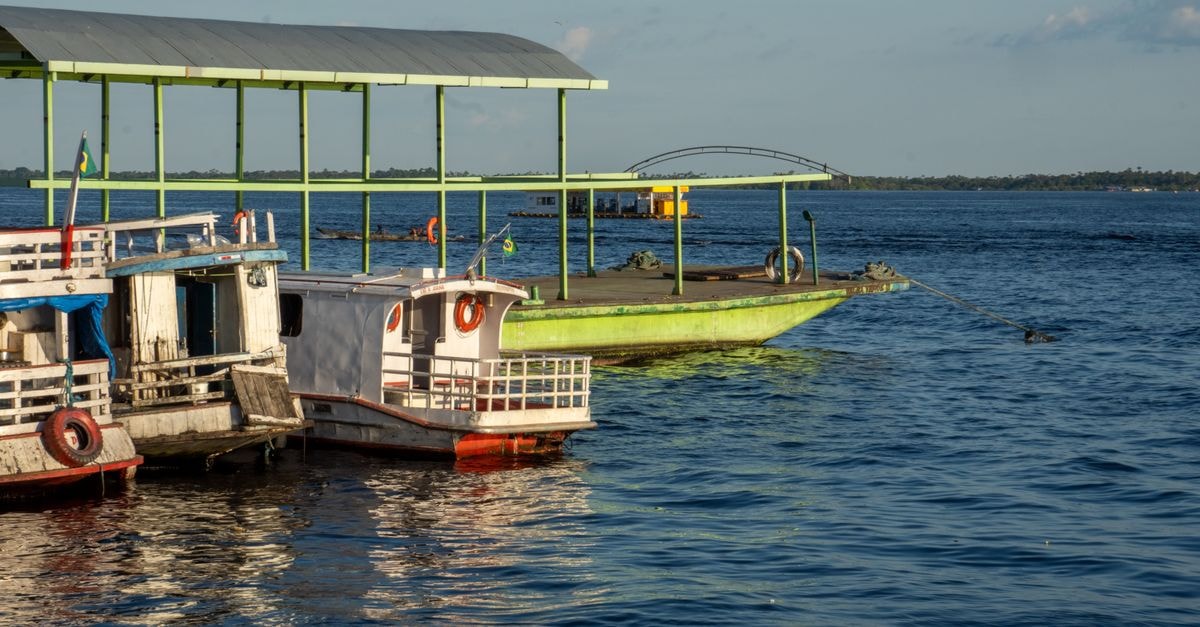
Cobija at a glance

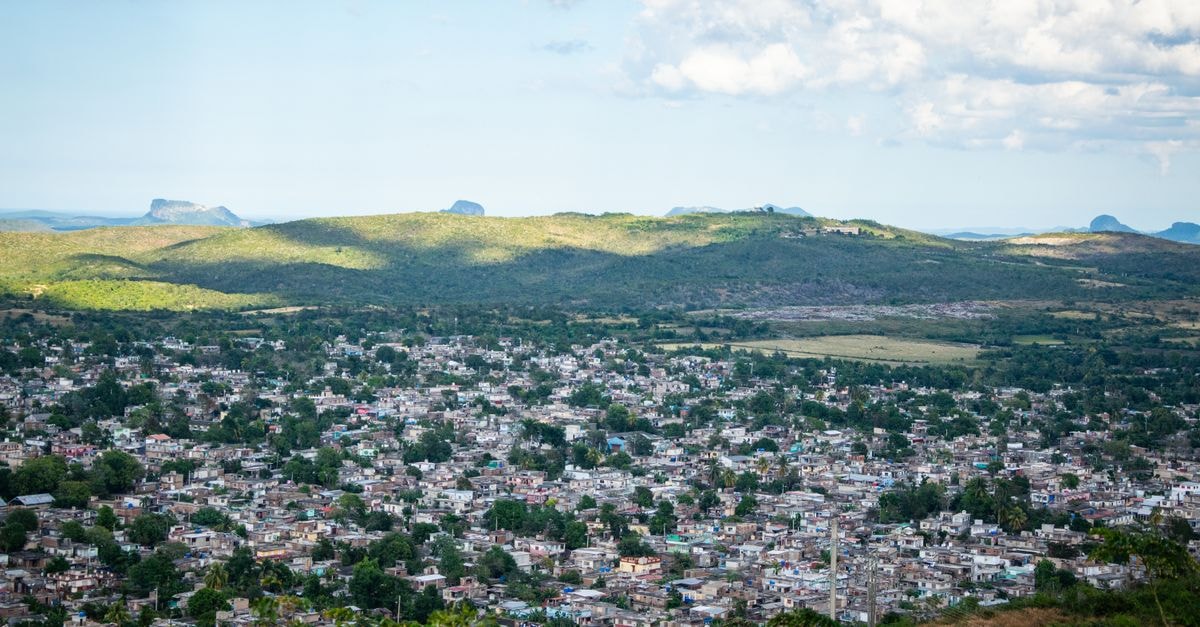
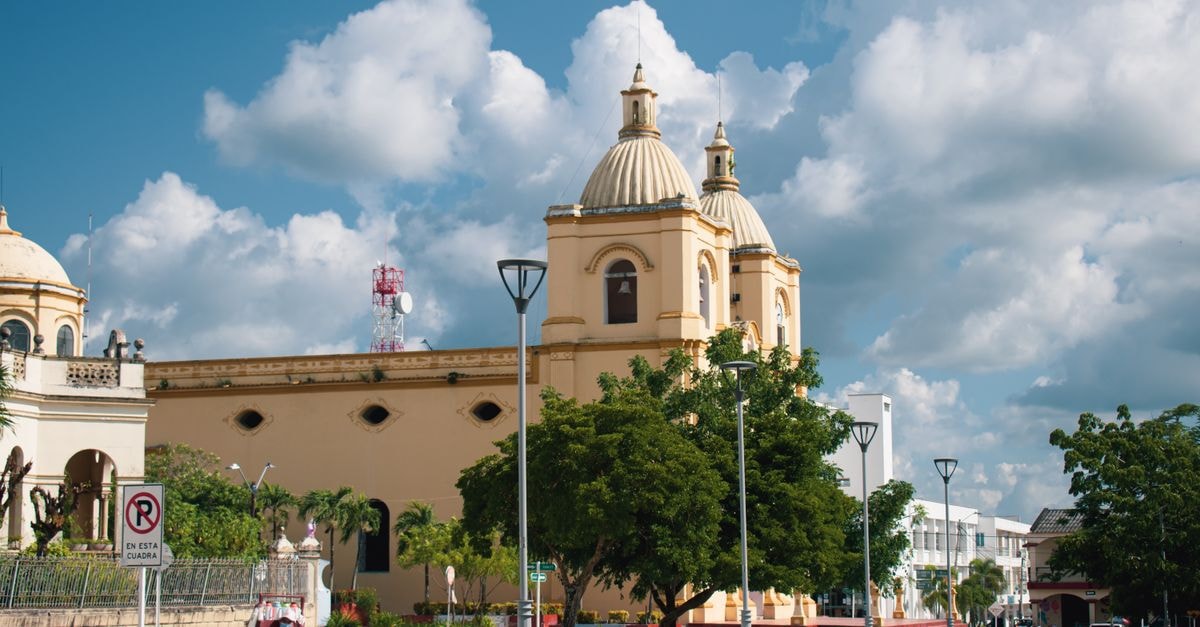
Cobija sits at the northern edge of Bolivia, capital of the Pando department and pressed close to the Brazilian border. Travelers tend to arrive with a sense of arrival at the edge of a map — it is small, leafy, and unmistakably Amazonian, a place where the rhythm of the day is shaped by heat, shade, and the slow pace of river and forest culture. This guide pulls together the practical side of visiting: how the climate typically feels, how travelers get there, what to look out for, and how the local food scene introduces a very different side of Bolivia.
Weather and seasonal context
The climate here reads as tropical and humid for much of the year, which is what most visitors first notice on stepping off a flight or a long bus. Travelers planning a trip will generally want to think about the contrast between wetter and drier stretches of the year rather than chasing a four-season idea. Cobija's monthly averages cover temperature, rainfall, and sunshine, and those numbers are the most useful way to set expectations: rather than fixating on a single week, look at how rain and heat tend to distribute across the months.
In practical terms, that means light layers are useful year-round, but a reliable rain jacket and quick-dry clothing matter far more than a warm sweater. Humidity is part of daily life here, so pace yourself — morning hours and late afternoons are typically the most comfortable window for walking around the city or visiting sites without the heaviest heat. The dry months are when conditions tend to feel most pleasant for outdoor time, and the wetter months bring the kind of sudden downpours that can transform a short walk into a longer adventure.
Getting around
The city is served by Captain Aníbal Arab Airport, the main way in and out for most travelers who are not crossing overland from Brazil. Because the airport sits close to the urban area, transfers tend to be short, and arriving visitors usually find the logistics of getting from the runway to a guesthouse relatively painless compared to other Bolivian destinations further south.
Local transport once you are in town follows the usual patterns of a small Bolivian departmental capital: taxis and motorcycle taxis handle most short trips, and the central areas of Cobija are compact enough to cover on foot in a relaxed morning. There is no need to overthink getting around — the challenge here is not navigation, but rather allowing time for the heat and humidity, and carrying small change for short rides.
Attractions and planning
Cobija is best approached as a base for understanding the wider Pando region rather than as a checklist of big-name sights. Within the city itself, the museum is a meaningful stop. Its collection is rooted in the area's role as a trading hub along the Brazilian border, and it offers a window into the cultural and commercial exchanges that shaped northern Bolivia over the decades. For travelers interested in context before heading further into the rainforest, an hour or two here pays off in a much richer sense of place.
Beyond the museum, the wider draw is the Amazon setting itself. Cobija is the main gateway to the surrounding rainforest landscape, and the slower months of the year are when conditions feel friendlier for exploring the natural surroundings — pleasant temperatures and less rainfall tend to make a noticeable difference for anyone planning hikes, river trips, or simply longer days outdoors. The Noel Kempff Mercado National Park is one of the headline destinations associated with the wider Pando region and rewards travelers who come prepared for a serious nature experience rather than a casual stroll.
Planning-wise, the city rewards slow travel. A relaxed pace lets the heat feel manageable and leaves room for unhurried visits to the museum and the riverfront areas. Most visitors use Cobija as part of a longer Bolivian or cross-border itinerary, which gives time to settle in before pushing deeper into the jungle or onward into Brazil.
Food and local context
Cobija's food scene is a meeting point of two Bolivias: the Amazonian and the Andean. The result is a kitchen that leans on tropical ingredients and techniques that may feel unfamiliar to travelers more used to highland cuisine. Among the local signatures, baked plantain stands out — a simple but beloved preparation that shows up alongside many meals, with the natural sweetness of the cooked banana balancing out richer, savory dishes.
This blend of Amazonian and Andean flavors is part of what makes eating here feel like a form of cultural sightseeing. Expect menus to draw on river fish, root vegetables, plantains, and tropical fruits, often prepared in ways that reflect the region's trading history and its closeness to Brazil. For visitors who enjoy using food to read a place, even a few modest meals in Cobija will tell you more about northern Bolivia than a guidebook chapter.
A note on verification
Travel conditions in Cobija can change: weather patterns shift, transport schedules adjust, and local services evolve. Treat the practical points in this guide as a starting framework rather than a fixed timetable, and confirm current details through official channels, your accommodation, or local contacts before making final plans. Rates, schedules, and on-the-ground realities are best checked close to your travel date.
---
A short, curious, well-paced visit to Cobija tends to be the most rewarding way to experience it. Come prepared for warmth and rain, give yourself room to slow down, and let the Amazonian character of the city do the rest.
Share this article
TOOLS FOR THIS PLAN
Make the Cobija plan measurable
Choose a tool only when it answers the next question in your trip. Your values stay in the browser, and each tool offers a route back to this planning context.