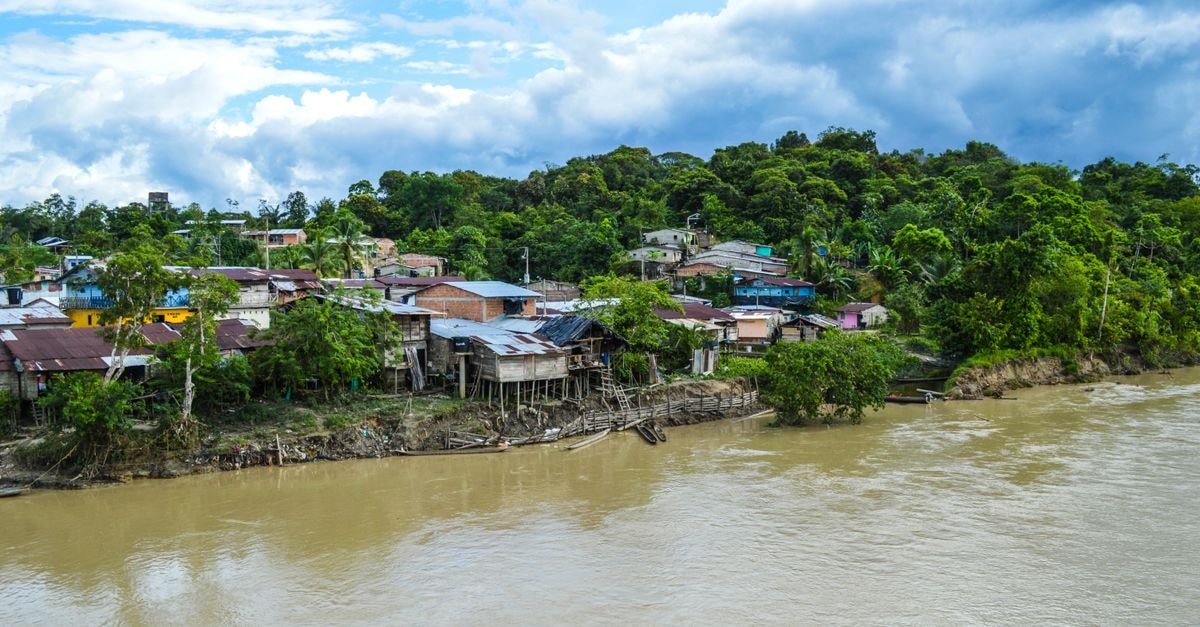
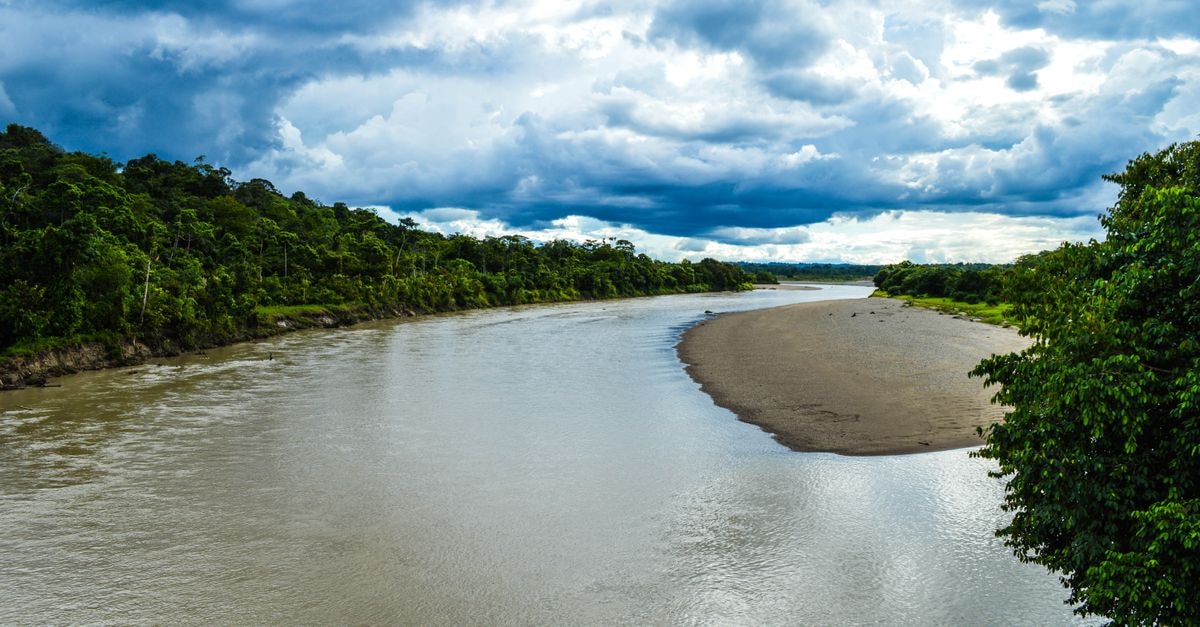
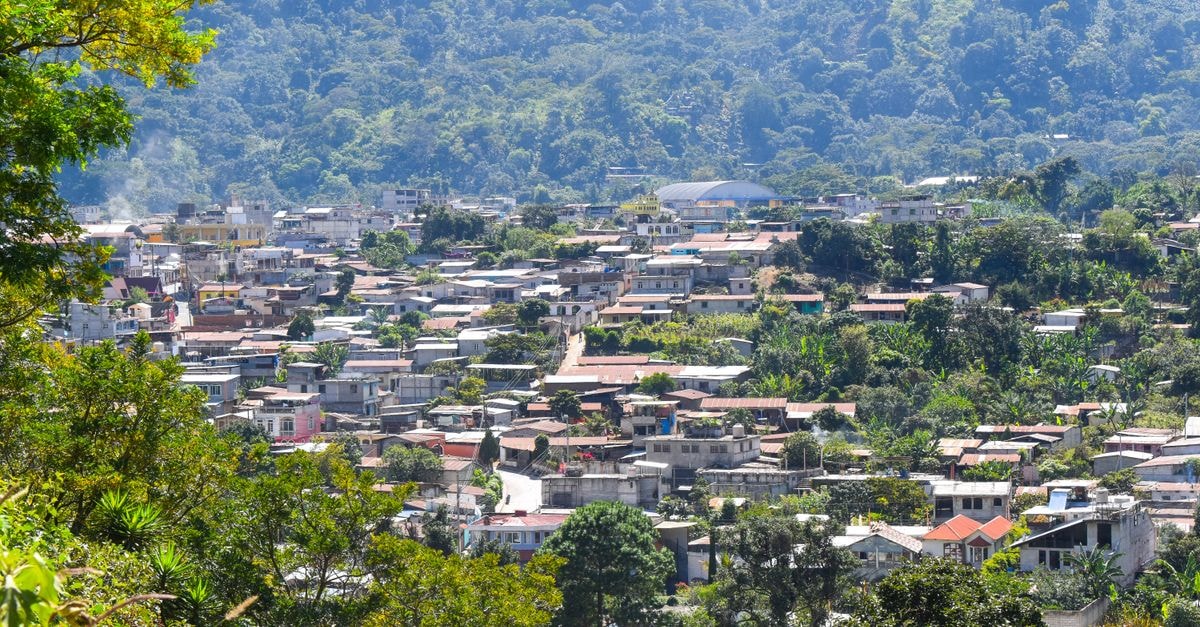
A modern frontier carved from the forest

Parauapebas has a story unlike most Brazilian cities, and that story shapes what visitors actually see on the ground. It is described as a hub for natural resource extraction, and that role is central to the rhythm of local life, employment, and infrastructure. The city grew up alongside one of the world's largest iron ore operations at neighbouring Serra dos Carajás, which began production in the early 1980s. Before that, this was described as virtually empty frontier country, so the urban landscape you walk through today is comparatively young and was built quickly to serve a demanding industry.
What makes the place compelling for travellers is the contrast. You can observe rapid urban development in the form of broad avenues, commercial districts, and a workforce-driven population, while the surrounding territory remains part of the wider Amazon. That pairing of working city and wild frontier is the through-line of any visit, and it helps frame decisions about where to base yourself, how long to spend, and what kind of experience you are after.
Weather and seasonal context
Long-term climate patterns matter more here than a single weekly forecast, because Parauapebas sits deep in the Amazon basin. Travellers are likely to encounter high humidity, generous rainfall through much of the year, and warm temperatures that rarely feel cold. Showers can arrive suddenly and briefly, and a steady rhythm of wet and drier periods tends to shape daily life, road conditions, and how locals schedule outdoor time.
A practical way to plan around this is to treat the climate as something to dress and pace yourself for, rather than something to schedule around. Lightweight layers, quick-dry fabrics, and a compact rain layer are sensible staples regardless of when you arrive. If you plan any time outdoors, particularly in forested or natural areas, an early start can help you make the most of cooler morning hours before the heaviest afternoon activity sets in.
Because the city's identity is tied to its surrounding environment, the climate also affects how you connect with nature on the outskirts. Forests, water, and trails behave differently in wetter and drier stretches, so flexibility in your plans tends to be rewarded. Treat the Amazon as the defining backdrop: the same conditions that make the city humid also feed the landscapes that draw visitors here in the first place.
Getting around
Parauapebas is described as a city in the state of Pará, and travelling by car through Pará is framed as offering freedom of movement and the chance to enjoy views of the Amazon. That framing matters: outside the urban core, distances are real, and the road network is what connects the city to the wider region. Renting a car, or arranging overland transport with a local driver, gives you the most flexibility if you want to explore beyond a single neighbourhood.
Inside the city itself, the pace of urban development influences how you move. A rented or brought bike is handy for short errands, though it is not described as ideal for long distances or heavy rain. That is a useful signal: for anything more than a quick hop to a nearby café or shop, plan on using a car, taxi, or ride service instead. During busier periods, use caution and avoid busy roads, especially if you are unfamiliar with the local traffic flow.
Because the city is a working hub rather than a traditional tourist town, signage, routing apps, and local knowledge all matter more than in larger Brazilian destinations. Keep your plans loose, allow extra time between activities, and be ready to ask locally for the best route. A little patience with the logistics usually translates into a much smoother visit.
Food and local context
Parauapebas does not have a documented signature cuisine in the approved evidence, so it is best approached as a Brazilian city with a distinctly northern, Amazonian flavour. That means the country's broader dining culture is what you are most likely to encounter: hearty plates built around rice, beans, grilled meats, root vegetables, and tropical fruit, often served in generous portions at modest prices. Brazil's food scene is also shaped by street food traditions, casual counters, and family-run eateries that change with the time of day.
Within that broader national context, a few nationwide habits tend to show up in cities across the country. Lunch is often the biggest meal of the day and can run later than in some other cultures. Snacks and lighter fare fill the gap until dinner, which is frequently eaten later in the evening. If you are exploring Amazonian cuisine at a national level, expect dishes that lean on fish, cassava, açaí, and regional fruits, though specifics in Parauapebas should be confirmed on the ground rather than assumed from a guide.
Eating well here is less about chasing a specific famous dish and more about leaning into everyday Brazilian food culture, which is built on freshness, generosity, and unhurried meals. Look for busy places, follow the lunch rush, and do not be shy about asking what is fresh that day.
Planning your time
A practical visit to Parauapebas pairs the city with its surroundings, since the two are impossible to separate. Spend part of your time absorbing the modern, working character of the urban centre, and part of it stepping into the Amazonian landscapes that frame it. The contrast is the point: this is a frontier city that grew because of what lies beneath and around it, and that story is visible in every direction.
A relaxed rhythm suits the climate and the distances. Build in downtime, plan outdoor activities for the cooler parts of the day, and keep at least one unscheduled block for spontaneous discovery. The Vale Zoobotanical Park is described as a top destination for families and nature enthusiasts, which signals that even within easy reach of the city, there are places designed to help you engage with the local environment in a structured way.
Above all, treat Parauapebas as a lived-in working city that happens to sit on the edge of one of the world's great forests. That mindset will shape a more rewarding, more respectful, and more interesting visit than any checklist could.
A quick verification note
Conditions on the ground, including road access, opening hours, transport options, and food availability, can change at short notice in a fast-growing frontier city like this. Before you set out, it is worth checking current information through official local channels, your accommodation, or up-to-date travel resources. Live details such as exchange rates, ticketing, and transport timetables should always be confirmed close to your travel date, as they are subject to change.
Prices, opening hours, schedules, reservation rules, and local conditions can change; verify them through official channels before departure.
Share this article
TOOLS FOR THIS PLAN
Make the Parauapebas plan measurable
Choose a tool only when it answers the next question in your trip. Your values stay in the browser, and each tool offers a route back to this planning context.