A Pacific gateway with a working-city rhythm

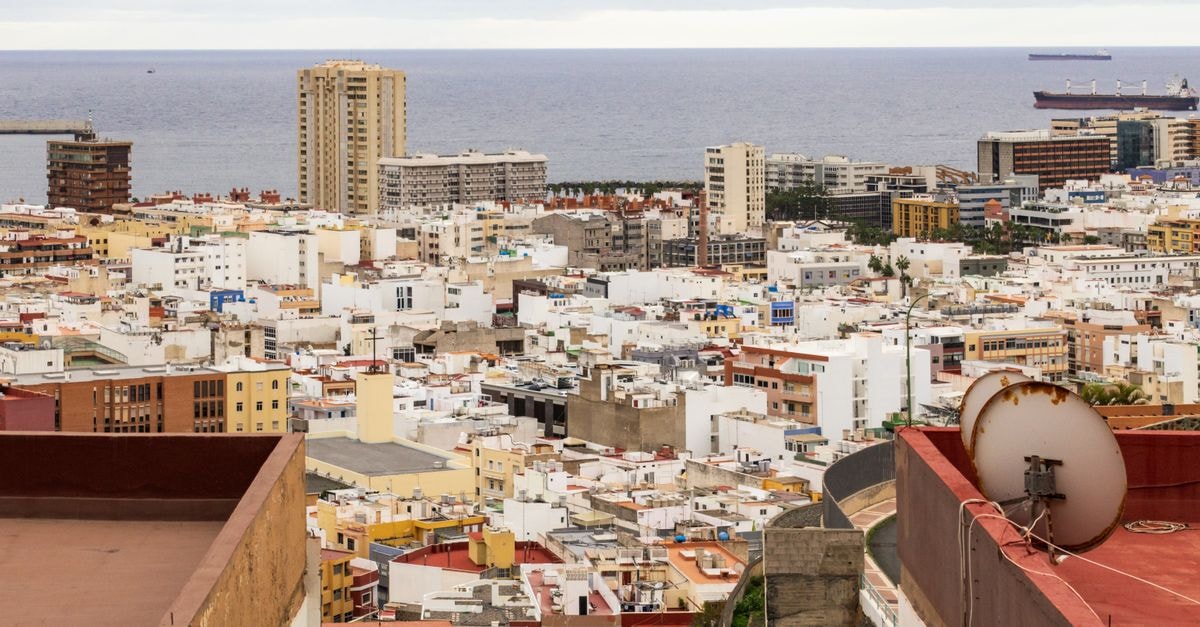
Concepción sits in Chile's Biobío Region as a busy university and port hub, the kind of city that hums with commuters, lectures, and slow coastal afternoons rather than postcard pauses. Most visitors arrive with a simple wish: move easily between the center, the waterfront, and the wider metro, then sit down to a long lunch without overthinking it. This Concepción travel guide keeps the focus tight on two things the evidence supports well — how the city is connected by ground transport, and how the food on your plate fits into a broader Chilean story.
The aim here is practical. If you like figuring out a place through its buses and shared taxis, or through dishes that come with a bit of cultural backstory, Concepción offers both without requiring a packed schedule. What follows is durable city guidance, written so it stays useful whenever you decide to visit.
Getting around
The transportation system in Concepción reaches every single place in the metropolitan area, with buses and shared taxi services forming the everyday backbone of how residents move. For a traveler, that is a reassuring starting point: you do not need a private car to thread between neighborhoods, the university quarter, and the central streets, because the public network is built to cover the metro.
For trips beyond the city itself, the BioTren commuter train service links Concepción with surrounding areas, making it the natural choice when you want to step outside the urban core without renting a vehicle. If you are staying in the center and want to spend a half day exploring a nearby town, the train gives you a relaxed alternative to relying on intercity coaches, and it pairs naturally with the bus network on either end of the journey.
A few practical considerations:
- Buses and shared taxis cover the full metropolitan area, so short hops between districts are usually straightforward and frequent. - BioTren is the commuter train for reaching surrounding areas, useful for day plans that start or end outside the city. - Combining the two — bus within Concepción and train for longer reaches — is the pattern that tends to feel smoothest for independent travelers.
If you prefer not to walk long distances between connections, basing yourself near a main bus corridor or near a BioTren station can cut down on transfers. Travelers who enjoy watching a city from its transit rather than from a tour bus tend to find Concepción's setup rewarding.
Food and local context
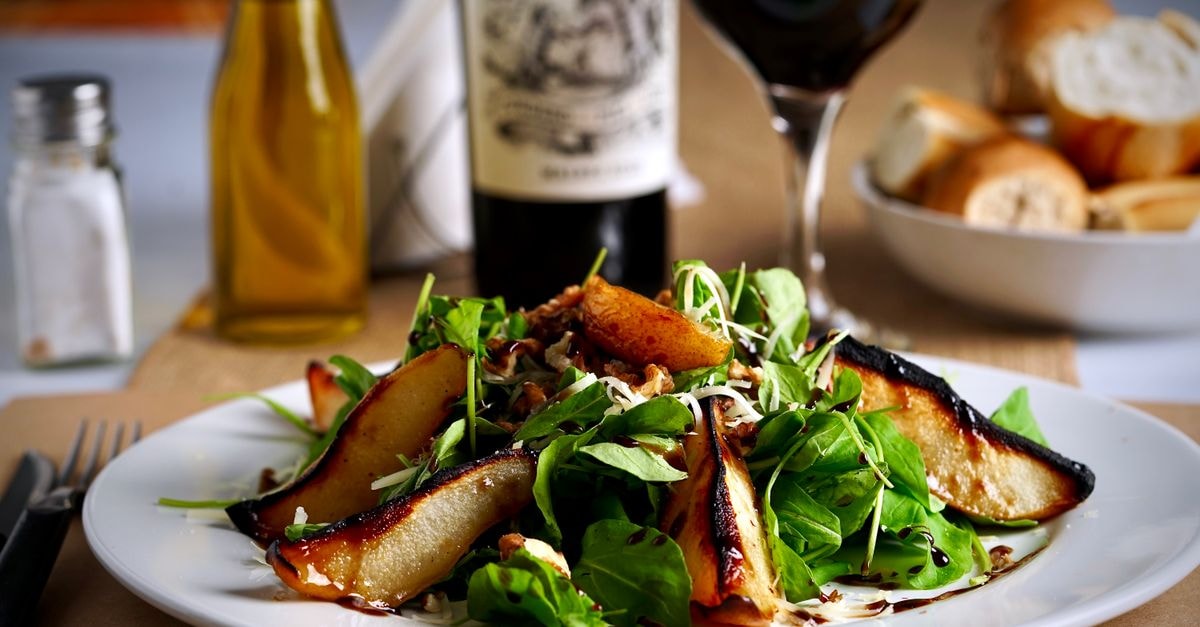
Chilean food culture begins with geography, and Concepción, sitting inland from the Pacific and within a region shaped by rivers, farmland, and coast, is a natural place to encounter that wider story. National dishes travel well across the country, so the flavors you meet in the Biobío Region are part of a shared culinary heritage rather than something sealed inside one neighborhood.
One traditional dish worth knowing about is pastel de choclo, a corn pie often described as a national favorite. The surface is meant to look like golden cobblestones — sweet corn ground and mixed with basil until it caramelizes in patches across the rim of the clay bowl. The visual cue is part of the experience: those caramelized patches signal the slow oven time that gives the dish its gentle sweetness against the savory filling underneath.
A second layer sits behind the plate. Chile is a long Pacific coast nation that blends indigenous Mapuche heritage with Spanish colonial traditions, and that mix shapes what ends up in the kitchen, from corn-based preparations that echo indigenous cultivation to the seasoning habits carried over from colonial cooking. As a visitor in Concepción, you may notice this blend at everyday meals, even when no one is advertising it.
Some gentle guidance for tasting the city:
- Treat wider Chilean dishes like pastel de choclo as context you are likely to encounter while dining out, not as a single must-find restaurant. - Look for the caramelized corn surface as your sign that the dish has been cooked the traditional way. - Keep an open mind for the Mapuche and Spanish threads behind familiar flavors; they explain why a humble plate can carry so much regional character.
If you are a traveler who likes food that arrives with a quiet backstory, Concepción gives you room to slow down and ask questions without the pressure of a formal food tour.
Choosing what fits your Concepción trip
Because Concepción works well as a stop where transport and food do most of the storytelling, the most useful decisions are about pace and base. Travelers who enjoy building a day around transit — a morning bus ride to a market street, a BioTren afternoon toward a surrounding town — will find the system cooperative. Those who would rather wander slowly between a handful of cafés and a waterfront stroll can stay mostly on foot in the center, leaning on shared taxis only when distance grows. For dining, the choice is between hunting for recognizable Chilean classics like pastel de choclo and being open to whatever the kitchen offers. Both paths work, and neither requires a long list of reservations.
A note before you go
Factual travel details — routes, schedules, menus, and conditions — can change, and they often do between one season and the next. Before relying on any specific bus line, train timetable, or dish you plan to try, a quick check with official channels or your accommodation is the safest habit. Currency rates, if you convert any, should be treated as a reference only; the live rate at the time of exchange is what matters. Treat this guide as a starting frame, then confirm the details that affect your actual day.
Share this article
TOOLS FOR THIS PLAN
Make the Concepción plan measurable
Choose a tool only when it answers the next question in your trip. Your values stay in the browser, and each tool offers a route back to this planning context.